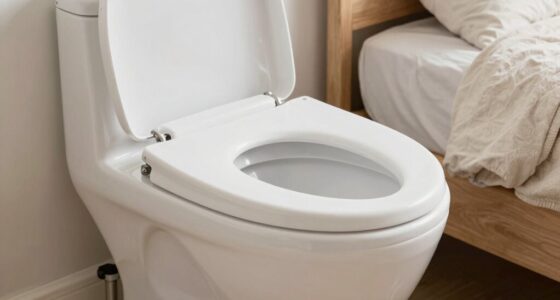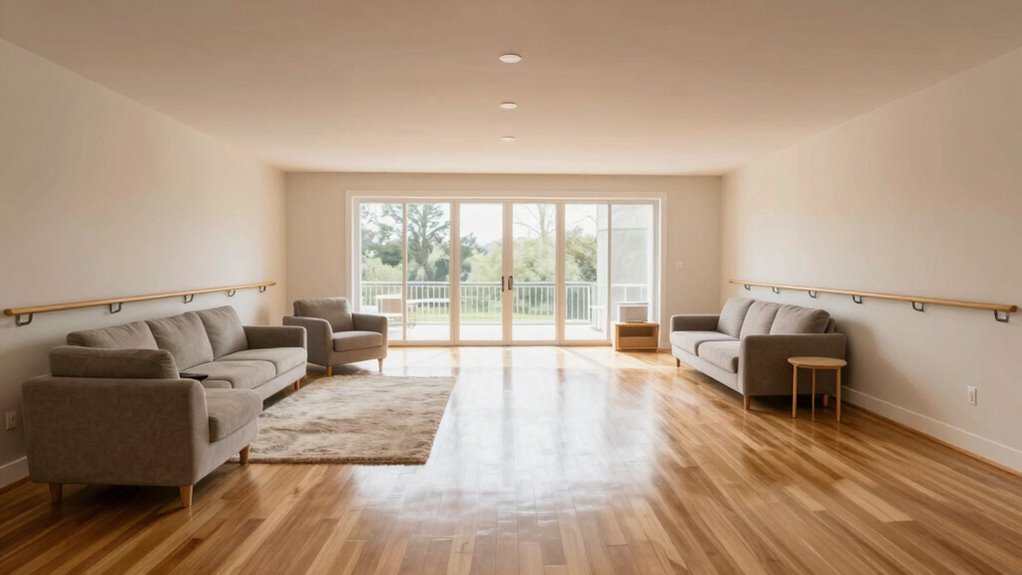

When your mobility starts to change, prioritize safety in key areas like the bathroom, bedroom, and entryways. Install grab bars, non-slip flooring, and ramps in these zones to prevent falls and make daily tasks easier. Keep pathways clear and items within reach to avoid unnecessary bending or stretching. Focus on these high-traffic and high-risk zones first, as making improvements here can greatly boost your independence. Explore more tips that can help you stay safe and confident around your home.

Get the little things that make your day delivered free — and shop member deals
- Fast, free delivery on millions of items
- Access to Prime Big Deal Days deals on October 6–7
- Prime Video, Amazon Music and more included
Key Takeaways
- Prioritize the bathroom for grab bars, non-slip flooring, and lighting improvements to prevent falls in a high-risk area.
- Focus on entryways and hallways by installing ramps, removing obstacles, and widening doorways for wheelchair access.
- Enhance the bedroom with accessible furniture, nearby essentials, and support rails to maintain independence during rest.
- Modify the kitchen with reachable storage, lever handles, and good lighting to facilitate safe cooking and meal prep.
- Create unobstructed, level pathways throughout the home to ensure safe navigation with mobility aids.
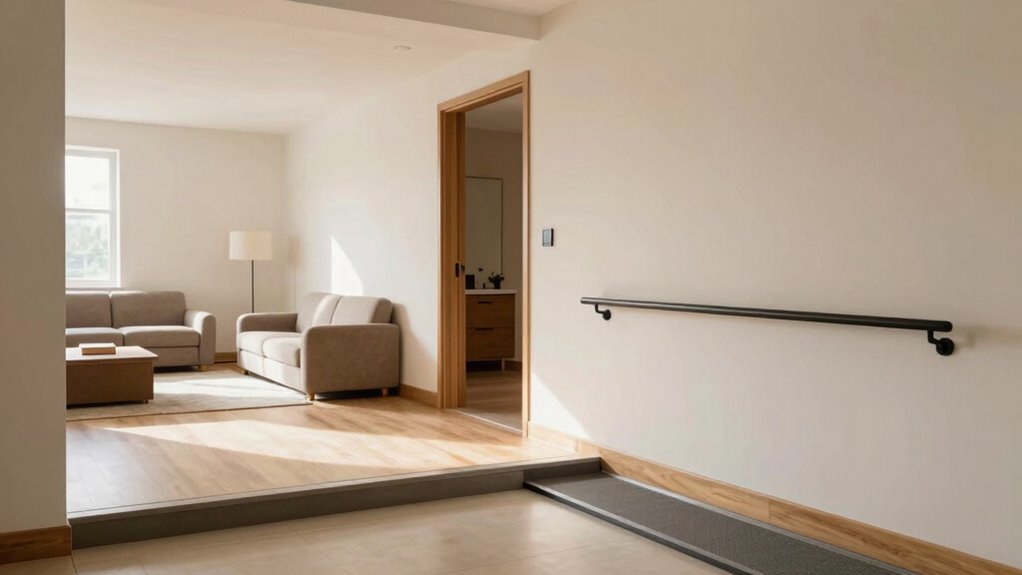
As mobility begins to change, prioritizing certain areas of your home can make daily life safer and more manageable. When you start to notice difficulty moving around, it’s essential to focus on creating a space that supports your independence. One of the most effective steps you can take is incorporating assistive devices into your daily routine. These devices—such as grab bars, stairlifts, or raised toilet seats—can considerably reduce the risk of falls and make essential tasks easier. Installing these devices in key areas like the bathroom, bedroom, and hallway ensures you have support where you need it most, providing both safety and confidence as you navigate your home.
Alongside assistive devices, home safety modifications play a critical role in adapting your environment. These modifications include removing tripping hazards like loose rugs or clutter, widening doorways for easier wheelchair access, and installing non-slip flooring. By making these adjustments, you create a more accessible and secure living space that accommodates your changing mobility. For example, replacing steps with ramps and ensuring there’s enough space to turn a wheelchair or walker can prevent accidents and make everyday activities smoother. These modifications are especially important in high-traffic areas such as the entryway, kitchen, and bathroom, where falls are most common. Incorporating home safety modifications can also help promote sustainability by reducing the need for frequent repairs or renovations caused by falls or accidents, which aligns with the importance of emerging trends in digital publishing that focus on innovative approaches to home safety solutions. Additionally, understanding home design/architecture details such as door swings or stair proportions can help in planning safer, more functional spaces tailored to your needs.
Home safety modifications like removing hazards, widening doorways, and adding non-slip flooring enhance accessibility and prevent falls.
Prioritizing the bathroom is essential because it’s one of the most dangerous areas for falls. Installing grab bars near the shower and toilet, adding a shower seat, and ensuring good lighting can drastically improve safety. Similarly, in the bedroom, you should consider placing essential items within easy reach and using bed rails if necessary. In the kitchen, adjusting countertop heights or adding lever-style handles to cabinets can make cooking and cleaning less strenuous. Throughout your home, good lighting is key—bright, motion-activated lights can help you see clearly and avoid obstacles.
You should also think about creating clear, unobstructed pathways. Removing furniture or arranging it to allow easy passage ensures you can move freely without risking a bump or fall. Installing threshold ramps at doorways and ensuring floors are level further enhances safety. These small but impactful home safety modifications make a profound difference, especially when combined with assistive devices tailored to your needs. By focusing on these key zones and making thoughtful adjustments, you set up a home environment that promotes safety, independence, and peace of mind as your mobility changes.
As an affiliate, we earn on qualifying purchases.
Frequently Asked Questions
How Can I Assess My Current Mobility Needs at Home?
You can assess your current mobility needs by conducting a thorough home assessment and mobility evaluation. Start by noting which areas feel difficult or unsafe, like stairs or narrow hallways. Test your ability to perform daily tasks comfortably and safely. Consider scheduling a professional mobility assessment if needed. This helps identify specific modifications and safety features to improve your comfort and independence at home, ensuring your environment adapts to your changing mobility.
What Safety Features Are Essential in Accessible Home Zones?
Think of your home as a fortress where safety is your shield. Essential features include smart technology that alerts you to hazards and adaptive furniture that adjusts to your needs. Non-slip flooring and well-lit pathways also act as your moat and drawbridge, protecting your peace of mind. These safety measures create a secure environment, empowering you to navigate with confidence and maintain independence as your mobility evolves.
How Do I Budget for Home Modifications Over Time?
To budget for home modifications over time, start by evaluating your current needs and prioritizing essential changes like interior redesign and technological upgrades. Break down costs into manageable phases, saving regularly for each. Research affordable options and seek grants or assistance programs. By planning ahead, you guarantee your home adapts gradually, making necessary adjustments without financial strain, while maintaining comfort and safety as your mobility needs evolve.
Are There Any Legal Considerations for Home Alterations?
Did you know that over 75% of home modifications require adherence to local building codes? When planning alterations, guarantee legal compliance by checking zoning laws and permit requirements. Respect property rights by obtaining necessary approvals from homeowners’ associations or local authorities. Ignoring these legal considerations can lead to fines or having to undo work. Always consult local regulations and possibly a legal expert to protect your interests and ensure your modifications are lawful.
How Can Family Members Assist in Home Zone Planning?
Family members can assist in home zone planning by actively participating in discussions and sharing their insights. Your loved ones provide valuable emotional support, helping you feel more comfortable and confident with changes. They can help identify potential hazards, suggest modifications, and make certain the new zones meet your needs. Their involvement fosters a sense of teamwork, making the shift smoother and more manageable, ultimately creating a safe, accessible environment tailored to your mobility needs.
Conclusion
Prioritizing the right home zones as your mobility shifts is like tending a delicate garden—you need to nurture the areas that offer safety, convenience, and independence. By focusing on accessible entrances, nearby amenities, and clear pathways, you guarantee your environment adapts gracefully to your changing needs. Remember, choosing wisely now is planting seeds for a comfortable, secure tomorrow. With thoughtful planning, you’ll create a sanctuary that supports your journey, no matter how the road ahead unfolds.
NFL season / tailgating Picks
team gear
As an affiliate, we earn on qualifying purchases.