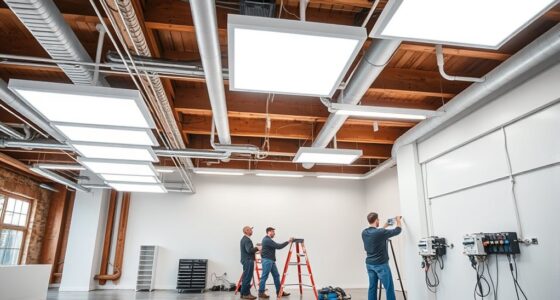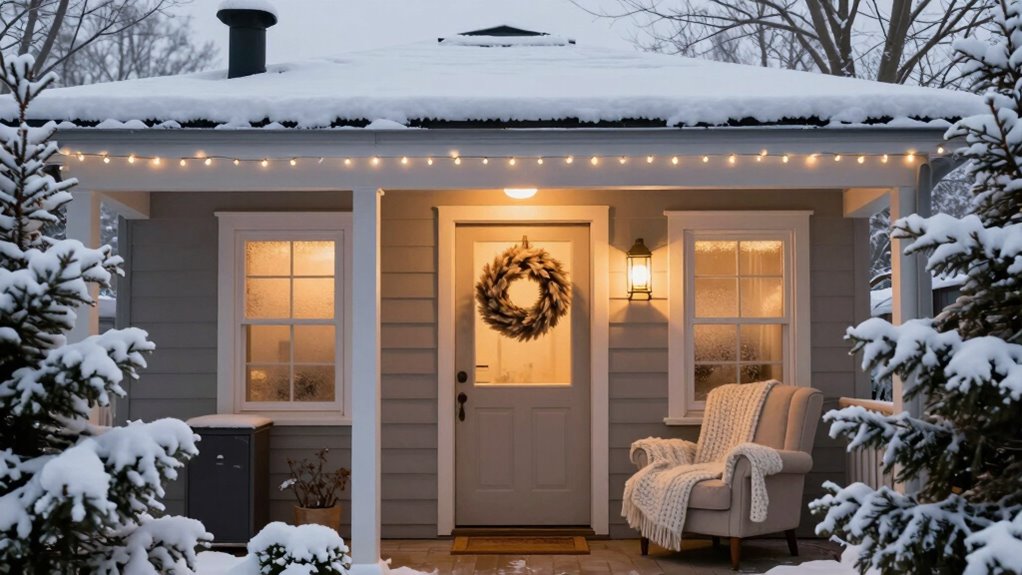

To improve winter comfort in your older home, focus on upgrading insulation in the attic, basement, and crawl spaces to reduce heat loss. Seal leaks around windows, doors, and outlets with weatherstripping and caulking, and add thermal curtains to trap heat. Enhance your fireplace with glass doors or energy-efficient inserts to boost warmth and safety. Want more tips? Keep exploring how these upgrades can help you stay cozy all winter long.
Open a free Amazon Business account
Business pricing, bulk buying and tax-exempt orders.
As an affiliate, we earn on qualifying purchases.
Key Takeaways
- Upgrade fireplaces with glass doors and sealed inserts to improve heat retention and safety.
- Enhance attic and basement insulation to prevent heat loss and maintain consistent indoor temperatures.
- Seal gaps around windows, doors, and outlets with weatherstripping and caulking to reduce drafts.
- Use insulated window coverings and thermal curtains to trap heat and increase comfort.
- Combine sealing, insulation, and fireplace upgrades for maximum energy efficiency and warmth.

Are you ready to make your home warmer and more comfortable this winter? If you live in an older house, you already know that it can be a challenge to keep the cold out and the warmth in. Fortunately, there are simple yet effective upgrades you can implement to improve your comfort and reduce energy costs. Focus on fireplace enhancements and insulation improvements, two key areas that make a noticeable difference during those chilly months.
Starting with fireplace enhancements, consider upgrading your existing fireplace to maximize its efficiency. If you have a traditional wood-burning fireplace, installing a glass door can help contain heat when you’re not actively burning a fire, preventing warm air from escaping and cold drafts from sneaking in. Adding a fireplace insert—an energy-efficient, sealed unit—can significantly improve heat output while reducing energy consumption. Not only do these inserts make your fireplace safer, but they also boost its ability to heat your living space evenly. For added warmth, consider installing a damper insulation kit or sealing the damper when not in use. These small modifications prevent warm air from escaping through the chimney, which can otherwise act as a major heat loss pathway. Also, decorating your fireplace with a draft stopper or draft guard can block cold air leaks around the hearth area. All these enhancements together help turn your fireplace into a cozy, efficient heat source, providing comfort without skyrocketing your energy bills. Additionally, understanding home insulation can help you identify other areas for improvement in your older home.
Next, focus on insulation improvements, which are crucial for older homes that often have gaps and weak spots in their insulation. Start by sealing leaks around windows, doors, and electrical outlets. Weatherstripping and caulking are inexpensive ways to close gaps and prevent drafts that can make rooms feel colder. Next, upgrade your attic insulation if it’s lacking or outdated; a well-insulated attic can keep warm air from escaping through the roof. Don’t forget to insulate your basement walls and crawl spaces, which are common sources of heat loss in older homes. Adding or upgrading insulation in these areas helps maintain a consistent indoor temperature. Installing insulated window coverings or thermal curtains also traps heat inside, especially during the coldest nights. These improvements, although seemingly small, can collectively make a significant difference in how warm your home feels and how much energy you use to heat it.
As an affiliate, we earn on qualifying purchases.
Frequently Asked Questions
How Do I Prioritize Winter Upgrades for a Limited Budget?
To prioritize winter upgrades on a limited budget, start with cost-effective solutions like sealing drafts and adding insulation to prevent heat loss. Focus on seasonal maintenance such as cleaning gutters and inspecting heating systems to guarantee efficiency. These steps save money upfront and improve comfort. Once these are handled, consider upgrading windows or installing a programmable thermostat, spreading expenses over time while maximizing warmth and energy savings.
Are There Eco-Friendly Winter Upgrade Options for Older Homes?
Yes, there are eco-friendly winter upgrade options for older homes. You can install eco-friendly insulation made from recycled materials, which improves energy efficiency without harming the environment. Consider sustainable heating options like a heat pump or solar thermal systems that reduce carbon emissions. These upgrades keep your home warm and cozy while being environmentally conscious, helping you save on energy bills and lessen your ecological footprint during winter.
What Safety Measures Should I Consider With Winter Upgrades?
You should prioritize safety alarms like smoke and carbon monoxide detectors, ensuring they’re functioning properly. When upgrading with winter insulation, check for proper sealing around doors and windows to prevent drafts and moisture buildup that could cause hazards. Regularly inspect heating systems for safety, and consider installing smart thermostats for better control. These measures protect you from accidents and keep your home warm and secure throughout winter.
How Can I Maintain Comfort Without Increasing Energy Bills?
You can stay cozy this winter without skyrocketing bills by upgrading to energy-efficient windows that trap heat like a fortress and making insulation improvements that keep warmth locked inside. These upgrades work together to cut energy waste dramatically, so your home stays warm without draining your wallet. Imagine your house becoming a snug sanctuary, all while your energy bills stay surprisingly low. It’s the smart way to enjoy winter comfort!
Are There Grants or Incentives Available for Winter Home Improvements?
Yes, you can access energy rebates and insulation programs to help fund winter home improvements. These incentives are designed to make upgrades like better insulation and energy-efficient windows more affordable. Check with your local utility provider or government agencies for available grants and incentives in your area. Taking advantage of these programs can reduce your costs while enhancing your home’s warmth and comfort during winter.
Conclusion
By making these winter upgrades, you’re not just protecting your older home and loved ones—you’re creating a cozy haven where memories can flourish, no matter the season. Think of it as adding a touch of Victorian charm to modern comfort, blending the best of both worlds. With these improvements, you’ll find warmth, safety, and peace of mind, proving that even in a modern age, a well-loved home remains timeless—truly a treasure worth preserving.
Fall yard work Picks
leaf blowers
As an affiliate, we earn on qualifying purchases.