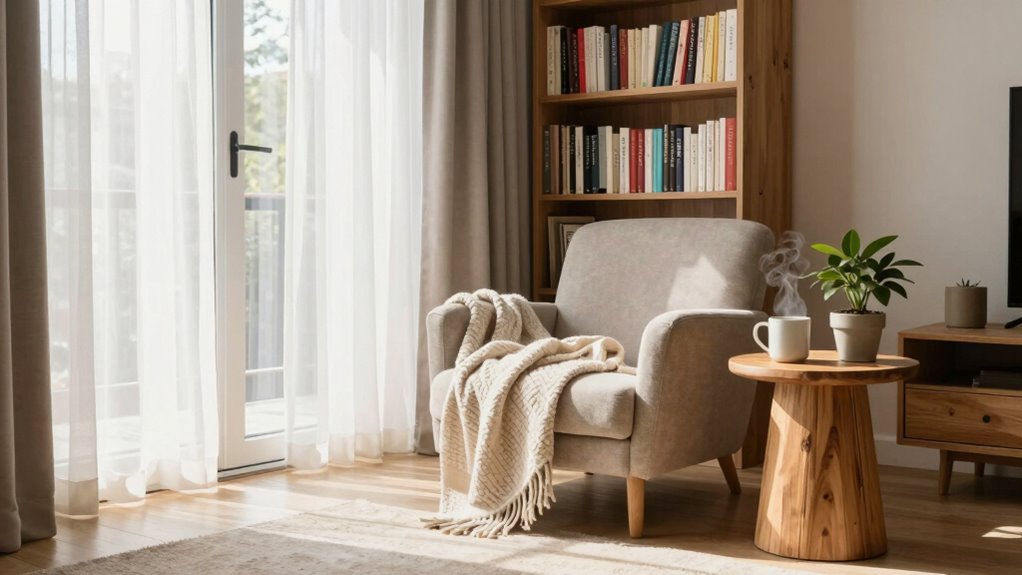

To create better rest stops, focus on combining comfort, functionality, and ambiance in each space. Use smart lighting to set relaxing tones and incorporate cozy furniture like plush chairs, cushions, and throws near natural light sources. Add personal touches such as calming scents, textured decor, and natural elements to make each retreat inviting. Guarantee pathways are clutter-free and layouts encourage effortless movement between areas. Keep exploring tips to transform your home into a series of restorative escapes.
Listen free for 30 days with Audible
Thousands of audiobooks and originals — cancel anytime.
As an affiliate, we earn on qualifying purchases.
Key Takeaways
- Incorporate adjustable lighting with warm tones and automation to create calming, personalized rest areas throughout the home.
- Design cozy, clutter-free spaces with comfortable furniture and natural elements to promote relaxation and frequent use.
- Position rest stops near natural light sources and main living zones for easy access and inviting atmosphere.
- Include sensory enhancements like calming scents, plush textiles, and soothing sounds to enhance restorative qualities.
- Ensure clear pathways and logical layouts to facilitate effortless movement and spontaneous relaxation across the home.
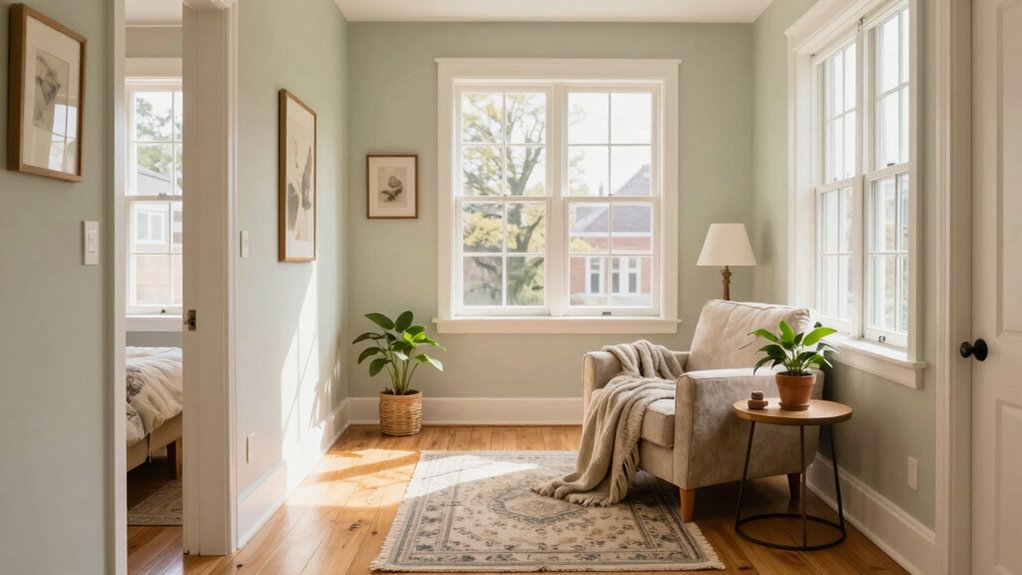
When living in a larger home, it’s easy for energy to become scattered across different areas, making frequent trips to the main living spaces feel tiring. To combat this, you want to create inviting rest stops that encourage you to pause and recharge without the hassle of wandering far. The key is designing these spots to be both functional and comforting, so they become natural retreats within your home.
Start by focusing on lighting. Smart lighting can dramatically improve how these rest stops feel. With smart bulbs, you can adjust the brightness and color temperature to match your mood or activity. For a calming atmosphere, opt for warmer tones and dimmable options that allow you to set the perfect ambiance with just a tap or voice command. This not only makes the space more inviting but also saves energy by reducing unnecessary lighting when full brightness isn’t needed. Automated lighting schedules can also ensure these areas are always ready for use at specific times, making it effortless to settle into a restful mood. Incorporating lighting controls can help customize each rest stop to suit different needs and preferences.
Adjust smart lighting for a cozy, energy-efficient retreat with customizable brightness and color temperature.
Next, pay attention to furniture choices. Cozy furnishings are essential for turning a corner into a true rest stop. Think plush armchairs, soft throw blankets, and supportive cushions that invite you to sit, relax, and unwind. Position these pieces thoughtfully to create a sense of intimacy and tranquility, perhaps near a window for natural light or against a wall for a cozy nook. You want these spaces to feel like a personal sanctuary—a place where you can pause without feeling the need to leave immediately. Creating a comfortable environment is central to encouraging frequent use and making these retreats genuinely restorative. Incorporating comfortable household products, such as supportive cushions and cozy blankets, can further enhance the inviting atmosphere. Additionally, considering natural elements like small indoor plants can help connect these spaces to the outdoors, boosting their calming effect.
Adding personal touches can amplify the comfort. Keep a small side table nearby for books, a cup of tea, or a diffuser with calming scents. Incorporate textures like plush rugs, soft pillows, or even a small indoor plant to make the space feel lively yet soothing. If your home has multiple levels, consider creating mini retreats on each floor, tailored to the activities you enjoy most—reading, meditating, or simply resting.
Finally, ensure these rest stops are easy to access. Clear pathways, minimal clutter, and intuitive placement make it simple to reach your retreat spots quickly. When these areas are inviting, well-lit, and comfortable, you’ll find yourself naturally taking more frequent breaks, helping you feel more relaxed and energized as you move through your larger home.
As an affiliate, we earn on qualifying purchases.
Frequently Asked Questions
What Are the Best Lighting Options for Rest Stops?
You should opt for ambient lighting, which creates a soft, inviting glow perfect for rest stops. Pendant fixtures work well as they provide focused illumination and add style to the space. Combine dimmable options with cozy lamps or wall sconces to customize lighting levels. This setup guarantees your rest stops feel relaxing and functional, helping you unwind and recharge throughout your larger home effortlessly.
How Can Soundproofing Improve Rest Stop Comfort?
Soundproofing transforms your rest stops from noisy distractions into peaceful retreats. Acoustic panels absorb sound, reducing echo and muffling footsteps or conversations from nearby rooms. Noise reduction creates a serene environment, helping you relax and recharge without disturbance. By strategically placing acoustic panels, you enhance comfort, making each rest stop a tranquil escape, even in a larger home where noise easily travels. This simple upgrade guarantees quiet, restful moments whenever you need them most.
What Storage Solutions Work Best in Small Rest Areas?
In small rest areas, choose furniture that promotes organization and maximizes space, like wall-mounted shelves or multi-functional pieces. Use space-saving decor, such as foldable or stackable storage bins, to keep essentials tidy without clutter. Opt for vertical storage options to make the most of limited space. Incorporating clever furniture organization helps you maintain a clean, comfortable environment, ensuring your rest stop feels welcoming and functional without sacrificing precious square footage.
How Do I Incorporate Greenery Into Rest Stops?
To incorporate greenery into your rest stops, think vertically and horizontally. Use indoor plants to add freshness and life, placing them on shelves, side tables, or window sills. Consider vertical gardens to maximize space and create a stunning focal point. By combining these elements, you bring in natural beauty, improve air quality, and create a calming atmosphere. Embrace greenery to make your rest stops more inviting, soothing, and vibrant.
What Are Cost-Effective Ways to Upgrade Rest Stops?
To upgrade rest stops cost-effectively, focus on budget upgrades like fresh paint, new hardware, or improved lighting. DIY enhancements such as installing simple shelves, adding decorative accents, or updating fixtures can make a big difference without breaking the bank. Prioritize small, impactful changes that boost comfort and appearance, and you’ll create more inviting, functional spaces throughout your larger home without overspending.
Conclusion
Creating well-placed rest stops in your larger home enhances comfort and flow, making daily life more enjoyable. By thoughtfully designing these spaces, you can reduce travel time and increase convenience for everyone. Surprisingly, studies show that homes with strategically located rest areas see a 20% boost in overall homeowner satisfaction. So, invest in thoughtful planning, and you’ll enjoy a more functional, welcoming space that feels just right at every turn.
Fall Picks
fall essentials
As an affiliate, we earn on qualifying purchases.