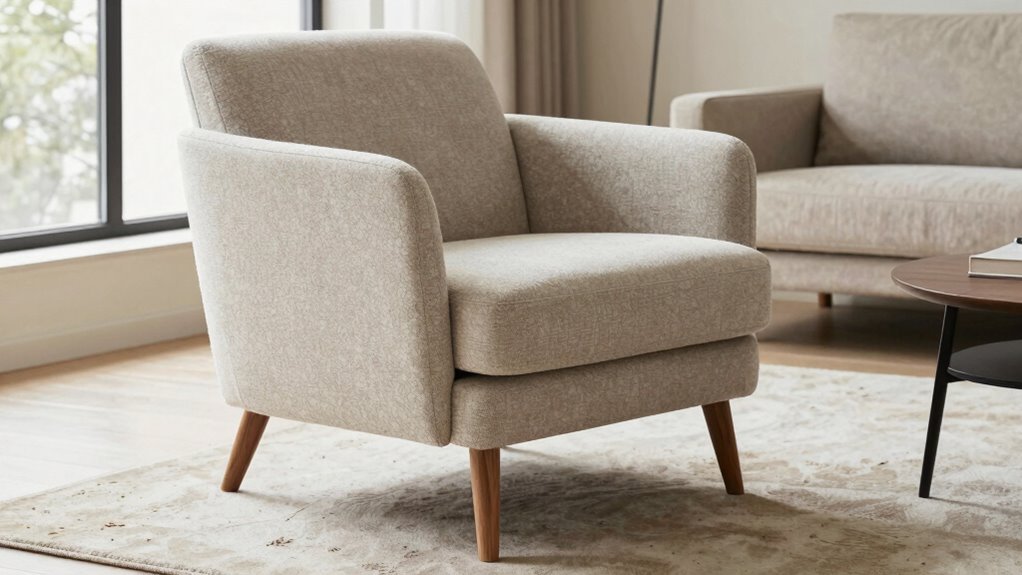

To make sitting and standing easier, choose furniture that supports natural body alignment, with seats at about hip height and tables at elbow level. Your feet should rest flat on the floor, and your knees need to be at a 90-degree angle. Adjustable furniture can personalize support, improving safety and comfort over time. Proper height reduces strain and prevents falls. Keep exploring to discover how to optimize your furniture setup for daily ease and safety.
Key Takeaways
- Chairs and seats should be at a height that allows feet to rest flat on the floor with knees at approximately 90 degrees.
- Adjustable furniture enables personalized height settings for optimal comfort and ease of sitting and standing.
- Proper seat height reduces joint pressure and minimizes effort during transitions between sitting and standing.
- Furniture stability and safety are enhanced when height supports natural body alignment and prevents tipping or slipping.
- Testing furniture through multiple sit-stand cycles ensures ease of movement and confirms suitable height for users.
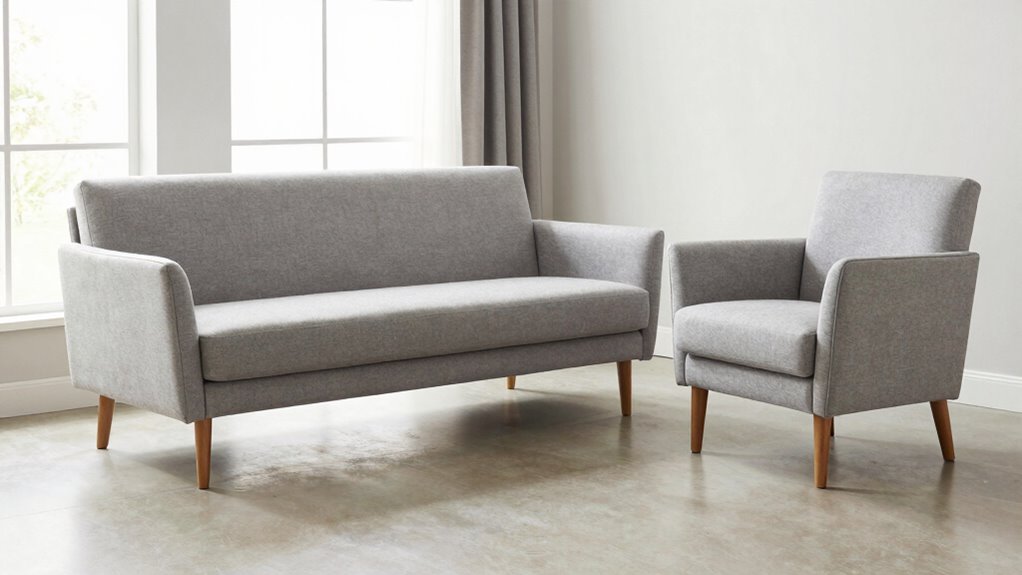
Choosing the right furniture height can make sitting down and standing up much easier, especially for those with mobility challenges or joint issues. When selecting furniture, focusing on ergonomic design is essential, as it guarantees your body aligns naturally during changes. An ergonomically designed chair or sofa keeps your hips and knees at comfortable angles, reducing strain and the effort needed to move. For seating, the ideal height typically allows your feet to rest flat on the floor, with your knees bent at roughly 90 degrees. This position minimizes pressure on your joints and promotes better posture. Similarly, the height of tables and countertops should support a comfortable arm position, preventing unnecessary reaching or slouching.
Safety considerations are equally important when choosing furniture heights. Furniture that’s too high or low can cause instability or increase the risk of falls, especially for those with balance issues or limited strength. For example, a chair that’s too high may make it difficult to sit down or stand up smoothly, forcing you to strain or use extra effort. Conversely, a too-low seat can put undue pressure on your hips and knees or make it hard to get up without assistance. To assure safety, test furniture by sitting and standing several times, paying attention to how easily you can change without discomfort or instability. Incorporating ergonomic design features can further enhance comfort and safety during daily use. Properly designed furniture can also incorporate features that improve stability and support, reducing the risk of accidents. Additionally, considering non-slip surfaces can significantly enhance safety, especially on smooth or slippery floors. Using adjustable furniture can also help accommodate changing mobility needs and individual preferences, making daily transitions smoother and safer. Ensuring that furniture is appropriately height-adjustable can provide customized support tailored to individual needs.
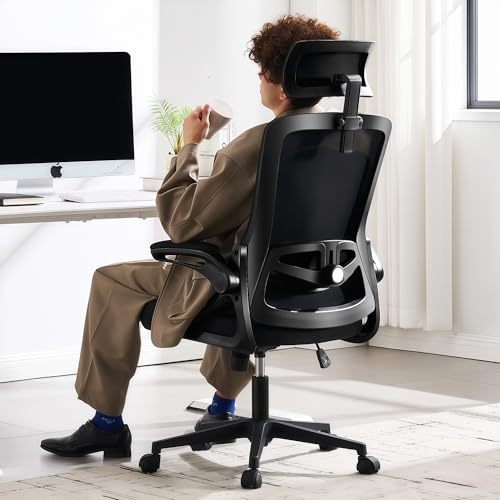
Fizzin Ergonomic Office Chair, 400 LBS Computer Chairs with Adjustable Lumbar Support, Breathable Mesh Desk Chair Ergonomic with Thickened Cushion, Comfy Home Office Desk Chair (Black)
- Ergonomic Support for Comfort: Supports head, back, hips, and arms
- Fully Adjustable Features: Seat height, headrest, backrest, armrests
- Customizable Lumbar and Headrest: Adjust lumbar support and headrest height/angle
As an affiliate, we earn on qualifying purchases.
As an affiliate, we earn on qualifying purchases.
Frequently Asked Questions
How Do I Measure My Ideal Furniture Height Accurately?
To measure your ideal furniture height accurately, sit comfortably on a piece of furniture and note the height from your seat to your feet. Consider material durability, ensuring your furniture withstands daily use, and aesthetic appeal, matching your decor. Use a tape measure or a ruler for precision, and adjust based on your comfort. Proper height promotes ease of sitting and standing, making your space both functional and visually appealing.
Does Furniture Height Vary for Different Types of Chairs?
Yes, furniture heights do vary for different types of chairs. You might prefer a taller chair for a drafting table or a shorter one for a dining set, depending on your material preferences and style considerations. Don’t assume all chairs are the same; selecting the right height enhances comfort and functionality. Measure your needs carefully, and choose furniture that complements your space and suits your daily activities.
Are Adjustable-Height Furniture Options Better Than Fixed Ones?
Adjustable-height furniture options are often better because they allow you to customize your comfort, accommodating different activities or users. They also tend to be made with durable materials to withstand frequent adjustments, ensuring longevity. Plus, modern designs maintain aesthetic appeal, blending functionality with style. This flexibility helps improve posture and reduces strain, making adjustable furniture a smart, practical choice for various spaces compared to fixed options.
How Often Should I Reevaluate My Furniture Height Needs?
You should reevaluate your furniture height needs whenever your comfort changes or after renovations. As you incorporate decorative accents, guarantee they complement your furniture’s height and style. Consider material durability too; if your furniture shows signs of wear, it might be time for adjustments or replacements. Regularly evaluating these factors helps maintain ideal comfort and style, making sure your furniture continues to support easier sitting and standing.
What Ergonomic Factors Influence Optimal Furniture Height?
Ironically, the most ergonomic factor isn’t just your height but also material durability and aesthetic appeal. You want furniture that supports your posture without sacrificing style, and that’s influenced by its construction and finish. When choosing, consider your body’s biomechanics, ensuring the height aligns with your joint angles. Durable materials keep support consistent, while aesthetic appeal makes you want to sit, stand, and move comfortably, seamlessly blending function and beauty.
Conclusion
Choosing the right furniture height makes a huge difference in how easily you sit and stand each day. When your chairs and tables are at the perfect height, you’ll notice less strain and more comfort—no more awkward hunching or struggling. Isn’t it worth taking a few minutes to find those ideal measurements? After all, making simple adjustments now can lead to a more comfortable, pain-free tomorrow. So, why settle for less when better furniture heights are within your reach?