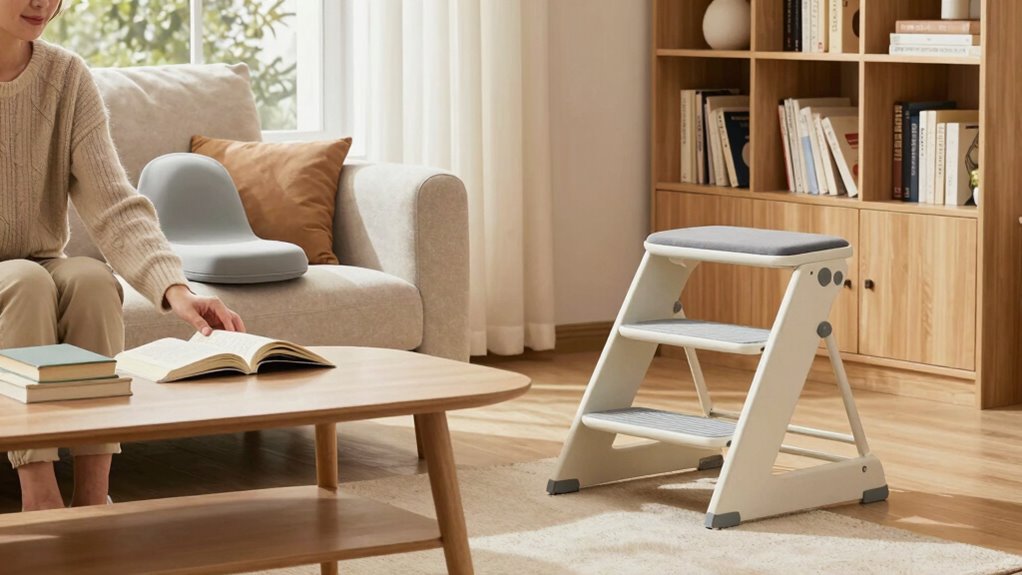

To reduce bending, reaching, and strain at home, set up your space with ergonomic principles in mind. Use adjustable desks and keep frequently used items within easy reach to minimize overreaching. Choose tools with ergonomic handles and long handles for tasks like cleaning or reaching high shelves. Take regular breaks to stretch and move, supporting natural body positions. Small changes can make a big difference, so explore more tips to create a safer, more comfortable environment.
Key Takeaways
- Arrange frequently used items within easy reach to minimize overreaching and twisting.
- Use ergonomic tools with long handles to reduce bending and strain during cleaning or chores.
- Adjust furniture and workspace setups to maintain proper posture and prevent hunching or awkward positions.
- Take regular breaks to stretch and move, preventing muscle tension and promoting circulation.
- Incorporate adjustable desks and monitor stands to keep work surfaces at ergonomic heights.
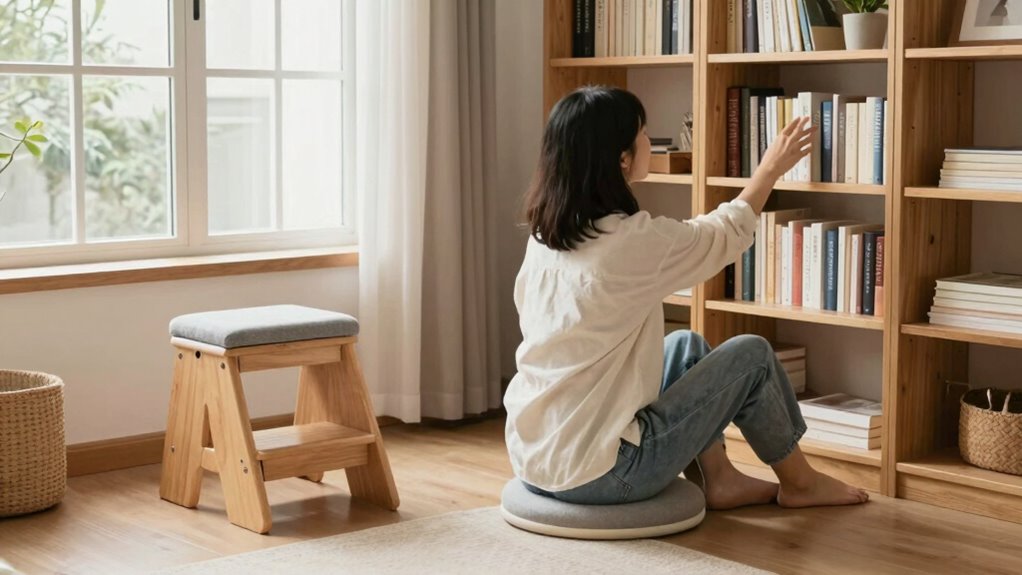
Bending, reaching, and straining during daily tasks can lead to discomfort and long-term injuries if not properly managed. To protect your body, it’s essential to create a workspace and living environment that promotes good posture and reduces unnecessary movements. One of the most effective ways to do this is by investing in ergonomic tools and adjustable furniture. These items are designed to support your body’s natural alignment, making everyday activities less taxing and more comfortable.
Start by examining your current setup. If you spend a lot of time at a desk or table, consider replacing traditional furniture with adjustable options. An adjustable desk, for example, allows you to switch between sitting and standing positions. This flexibility helps minimize prolonged bending or reaching, which can strain your back and shoulders. When your workspace is customized to your height and reach, you’re less likely to hunch over or stretch awkwardly to access items. Ergonomic tools like keyboard stands, monitor arms, and supportive chairs also play a pivotal role. They enable you to maintain proper posture, keep your wrists in a neutral position, and reduce the need to stretch or lean forward.
When it comes to household chores, choose tools that are designed to cut down on excessive bending. Long-handled dusters, mops, and scrub brushes allow you to clean floors or reach high shelves without bending at the waist. Use ergonomic handles that fit comfortably in your hand, which helps avoid unnecessary grip strain and wrist fatigue. For lifting and moving heavy objects, use equipment like dollies or carts to keep the load close to your body, reducing the need to bend or twist. Always plan your movements carefully to avoid overreaching or twisting your torso, which can cause strain over time. Additionally, choosing projectors with high contrast ratios can improve image clarity in your viewing environment, reducing eye strain during long movie or gaming sessions. Incorporating ergonomic principles into your daily routine can further enhance comfort and prevent injuries from repetitive movements. Incorporating ergonomic tools into your home setup can make a noticeable difference in reducing discomfort over time.
Incorporate movement breaks into your routine. Even with ergonomic tools and adjustable furniture, staying in the same position for too long can lead to stiffness and discomfort. Take short breaks every 30 minutes to stretch or walk around. This not only relieves muscle tension but also encourages better circulation, decreasing the risk of injury. Remember, your environment should support your body’s natural movements. Small adjustments—like raising your monitor or arranging frequently used items within easy reach—can make a significant difference in minimizing strain.
Frequently Asked Questions
How Can I Identify When I’M Experiencing Strain or Discomfort?
You can identify strain or discomfort by paying attention to signs like muscle fatigue and joint tension. If you notice muscles feeling weak, sore, or tired sooner than usual, it’s a clear sign of strain. Joint tension, such as stiffness or aching, also indicates you’re overexerting yourself. Listening to your body is key; if discomfort persists, take breaks and adjust your activity to prevent injury.
Are There Specific Exercises to Prevent Strain During Household Chores?
You can prevent strain during household chores by doing simple stretching routines before and after tasks. Wear ergonomic footwear to support your feet and improve posture, reducing overall strain. Incorporate stretches targeting your back, legs, and arms to loosen muscles and increase flexibility. These practices help you stay comfortable and avoid injury, making chores safer and less tiring. Consistent routines can substantially decrease discomfort and promote better movement during daily activities.
What Are Ergonomic Tools That Can Help Reduce Bending and Reaching?
You can use ergonomic tools like an ergonomic chair and an adjustable workstation to reduce bending and reaching. An ergonomic chair provides proper lumbar support, encouraging better posture, while an adjustable workstation allows you to set work surfaces at comfortable heights, minimizing strain. By customizing your setup, you keep your body aligned, reduce unnecessary movements, and make household chores easier and safer, preventing discomfort and long-term strain.
How Often Should I Take Breaks to Prevent Strain During Activities?
You should take a break every 30 to 60 minutes to prevent strain. During your break, stand up, stretch, or walk around. Using ergonomic cushions and adjustable furniture can help reduce discomfort, but regular breaks are essential. Incorporating these habits helps prevent musculoskeletal issues—studies show that frequent breaks can decrease discomfort by up to 50%. Keep moving, change positions, and prioritize your comfort throughout your activities.
Can Posture Correction Improve Long-Term Strain Issues at Home?
Yes, posture correction can improve long-term strain issues at home. When you practice posture awareness, you reduce unnecessary stress on your muscles and joints. Consistently maintaining good posture helps prevent chronic discomfort and injuries. The long-term benefits include better spinal health, decreased muscle fatigue, and increased comfort during daily activities. By actively correcting your posture, you support your body’s natural alignment, ultimately reducing strain and enhancing overall well-being at home.
Conclusion
By applying these simple techniques, you’re taking control of your health and avoiding the pitfalls of strain. Imagine yourself as the hero in your own story, much like a gardener tending to a delicate bonsai—careful, mindful, and intentional. With each mindful movement, you protect your body’s harmony and longevity. So, start today, and turn your home into a sanctuary where comfort and care grow hand in hand, just like a well-tended garden.