
TL;DR

Get the little things that make your day delivered free — and shop member deals
- Fast, free delivery on millions of items
- Access to Prime Big Deal Days deals on October 6–7
- Prime Video, Amazon Music and more included
In 2026, eight key pop culture trends and moments have defined the year, influencing entertainment, fashion, and social conversations. This report highlights confirmed developments and their significance.
In 2026, eight major pop culture moments and trends have emerged as defining features of the year, shaping entertainment, fashion, and social discourse. These developments have been confirmed through industry reports, social media analysis, and expert commentary, reflecting a year of rapid change and cultural evolution.
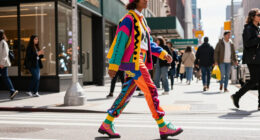
Among the confirmed trends are the rise of immersive virtual reality experiences in mainstream entertainment, the resurgence of 90s nostalgia in fashion and media, and the growing influence of AI-generated content in music and film. Additionally, several high-profile celebrity collaborations and social movements have gained prominence, shaping public conversations.
For example, industry insiders confirm that virtual reality platforms like MetaQuest and Sony’s new headset have seen record user engagement, marking a shift towards more immersive entertainment. Simultaneously, fashion brands have heavily embraced retro styles, with 90s-inspired collections dominating runways and retail spaces. Experts also note that AI-generated music tracks, created by companies like AmpliAI, have entered commercial markets, sparking debates about originality and copyright.
Several celebrity collaborations, such as pop star Lena Hart partnering with eco-conscious brands, have captured media attention, while social movements advocating for digital privacy and mental health have gained momentum, influencing policy discussions globally.
Why These Moments Shape 2026’s Cultural Landscape
This year’s pop culture moments are shaping societal attitudes toward technology, nostalgia, and social issues. The widespread adoption of immersive VR signifies a shift in how audiences engage with entertainment, potentially transforming industries. The resurgence of 90s aesthetics reflects a collective desire for nostalgia amidst rapid technological change. Furthermore, the rise of AI-generated content raises questions about creativity and intellectual property, impacting artists and consumers alike. These trends influence everything from fashion and entertainment to policy debates, making 2026 a pivotal year for cultural evolution.
As an affiliate, we earn on qualifying purchases.
Key Trends Leading Up to 2026
Over the past few years, there has been a steady increase in immersive technology adoption, driven by advancements in VR and AR. The 90s nostalgia wave gained momentum during the early 2020s, fueled by streaming platforms and retro revivals. AI technology has rapidly progressed, with music and art generation becoming more sophisticated and commercially viable. Social movements around digital rights and mental health have also gained prominence, influencing celebrity activism and policy discussions. These developments set the stage for the major moments of 2026, which now define the year’s cultural landscape.
“Immersive VR is no longer just a novelty; it’s becoming a core part of how we experience entertainment daily.”
— Industry insider, Tech Entertainment
Unanswered Questions About 2026’s Cultural Shifts
While these trends are confirmed, the long-term impact of AI-generated content on traditional creativity remains uncertain. Additionally, the full societal implications of immersive VR adoption and the durability of nostalgia-driven fashion trends are still developing. Experts caution that some trends may evolve or fade, and the broader cultural consequences are yet to be fully understood.
Future Developments in Pop Culture Post-2026
Looking ahead, industry analysts expect continued growth in immersive entertainment and AI-driven content. Fashion cycles may further refine retro influences, while social movements could influence policy changes related to digital rights and mental health. Monitoring how these trends evolve will be essential to understanding the future cultural landscape, with upcoming industry events and technological innovations likely to shape 2027 and beyond.
Key Questions
What are the most influential pop culture moments of 2026?
The most influential moments include the rise of immersive VR entertainment, the resurgence of 90s fashion, AI-generated music entering mainstream markets, high-profile celebrity collaborations, and social movements advocating for digital privacy and mental health.
How is AI affecting the entertainment industry in 2026?
AI is increasingly used to create music, art, and even scripts, raising questions about originality and intellectual property, while also offering new tools for artists and producers.
Why is nostalgia so prominent this year?
After years of rapid technological change, many consumers seek comfort and familiarity, leading to a revival of 90s aesthetics in fashion, media, and pop culture.
What are the potential risks of immersive VR becoming mainstream?
Experts warn that increased VR use could impact mental health, social interactions, and privacy, with ongoing debates about regulation and safety.
What trends might define 2027 and beyond?
Future trends may include further integration of AI in daily entertainment, more sustainable fashion inspired by nostalgia, and evolving social movements around digital rights and mental health awareness.
Source: rss
NFL season / tailgating Picks
team gear
As an affiliate, we earn on qualifying purchases.