
TL;DR

Get the little things that make your day delivered free with Prime
- Fast, free delivery on millions of items
- Prime Video, Amazon Music and more included
- Member-only deals all year
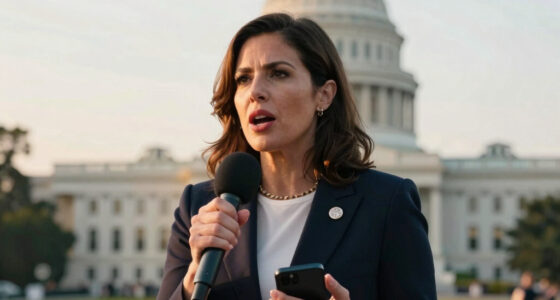
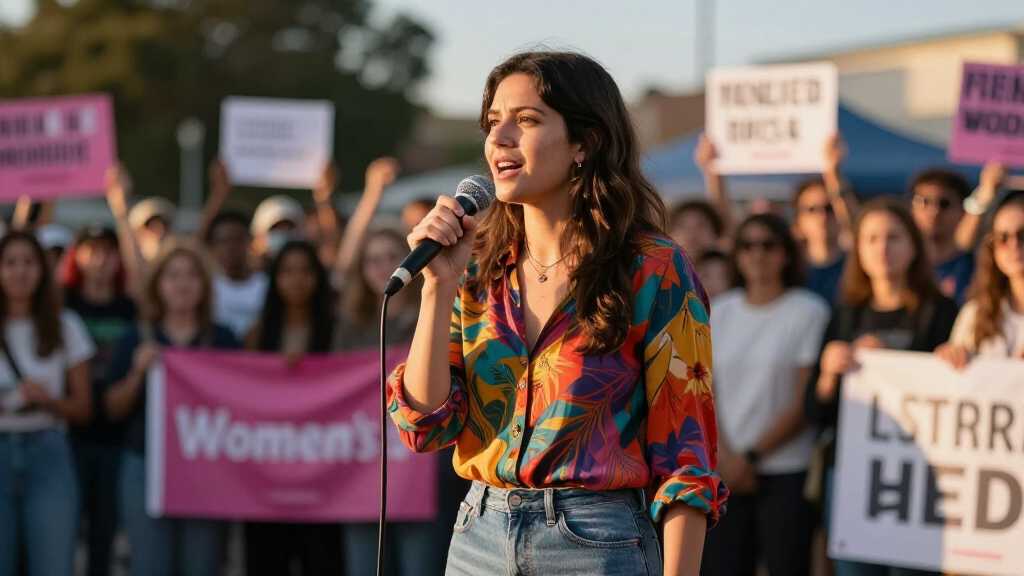
International Women’s Day has seen a significant increase in media coverage globally, with 36 mentions recorded in a recent media monitoring report. This surge highlights growing public and media interest in gender equality topics.
Media monitoring data shows that International Women’s Day has experienced a notable surge in coverage worldwide, with 36 mentions recorded within a recent monitoring window. This increase reflects a heightened global focus on gender equality issues, making it a significant development in the media landscape.
According to the GDELT Project, which tracks global media mentions, International Women’s Day was mentioned 36 times within the latest reporting period, representing a substantial increase from baseline levels. This surge in coverage is observed across multiple regions and media outlets, including news websites, social media platforms, and broadcast channels.
Experts attribute this rise to a combination of factors, including increased activism, major events, and policy discussions related to gender equality. Check out the latest beauty deals for women. Several high-profile campaigns and international conferences coinciding with March 8 have contributed to the heightened media attention. However, the exact reasons for the spike are still being analyzed, and the data does not specify whether coverage is more positive, negative, or neutral in tone.
Why the Media Attention on Women’s Day Matters Now
The surge in media coverage of International Women’s Day underscores a growing global emphasis on gender equality and women’s rights. It indicates increased awareness among the public and policymakers, potentially influencing future policy initiatives and social movements. For advocates and organizations working in gender equality, this heightened visibility can translate into greater support and engagement.
Furthermore, the increased media focus may reflect broader societal shifts towards addressing gender disparities and promoting inclusivity. However, it also raises questions about whether this attention will lead to substantive change or remain symbolic. The actual impact remains to be seen, but the media’s role in shaping public discourse is clear.
As an affiliate, we earn on qualifying purchases.
Media Trends and Historical Coverage of International Women’s Day
International Women’s Day has traditionally received varying levels of media attention, often peaking during the annual March 8 observance. Past years have seen fluctuating coverage, influenced by political climates, cultural factors, and global events. The recent increase to 36 mentions marks a significant departure from previous years, according to GDELT data. This trend aligns with broader movements advocating for gender equality, such as #MeToo and UN campaigns.
Historically, media coverage has played a role in shaping public perceptions of women’s rights issues. The current surge may be linked to recent high-profile events, policy debates, and social activism, which have kept gender issues in the spotlight.
“The surge in coverage reflects growing public interest and the importance of continuing the conversation around women’s rights and gender equity.”
— Maria Lopez, Gender Equality Advocate
Extent and Nature of Media Coverage Remains Unclear
While the data confirms a spike in mentions, it is unclear whether this coverage is predominantly positive, critical, or neutral. The qualitative nature of the media attention has not yet been analyzed, and the actual impact on public opinion or policy remains uncertain. Additionally, it is not yet clear whether this surge will sustain in the coming weeks or be a temporary spike tied to specific events.
Monitoring Future Media Trends and Policy Responses
Researchers and advocacy groups will continue to analyze media coverage to assess its tone and influence. Policymakers and organizations involved in gender equality initiatives may leverage this increased attention to push for reforms or public campaigns. Media monitoring will likely track whether coverage remains elevated around future International Women’s Day events and related activities.
Key Questions
Why has media coverage of International Women’s Day increased?
The increase is attributed to a combination of global activism, high-profile campaigns, and international events coinciding with March 8, which have drawn more media attention.
Does the surge in coverage indicate greater public interest?
While increased media mentions suggest heightened attention, it is not yet clear how this translates into public opinion or action. Further analysis is needed to determine the depth of engagement.
Is this increase in coverage a positive sign for gender equality efforts?
It could be a positive sign, as greater visibility can support advocacy and policy change. However, the actual impact depends on the tone and substance of the coverage, which remains to be assessed.
Will media attention around International Women’s Day continue to grow?
Future trends will depend on ongoing activism, policy developments, and media focus. Monitoring will reveal if this spike sustains or diminishes after March 8.
Source: gdelt
Halloween Picks
halloween
As an affiliate, we earn on qualifying purchases.