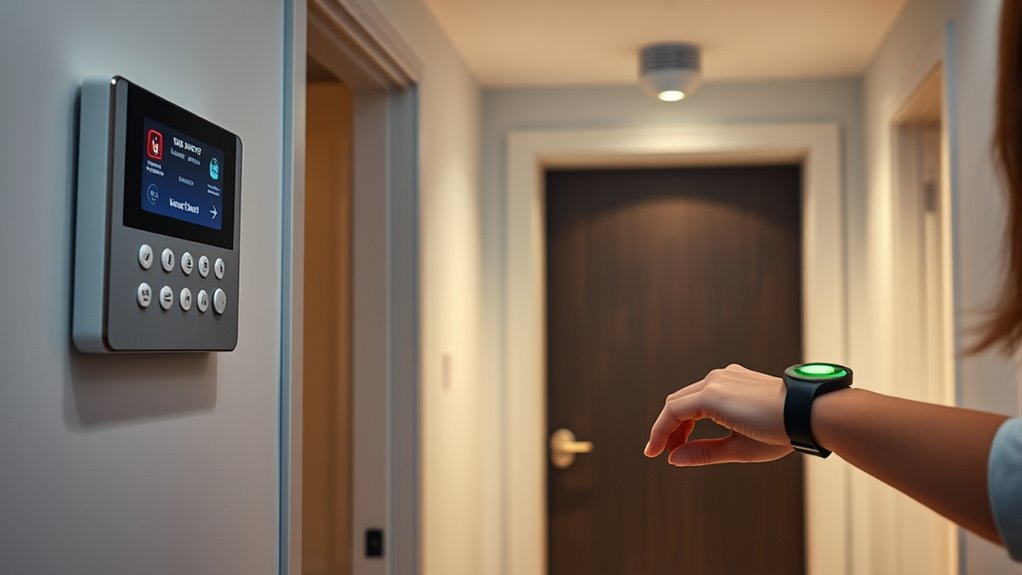

To set up an emergency-ready home alert system, start by installing smoke and carbon monoxide detectors on every level, especially near bedrooms and kitchens, and test them monthly. Use interconnected alarms for quicker alerts and verify they’re well-maintained with fresh batteries. Develop clear escape routes, conduct regular drills, and include visual alerts for hearing impairments. Adding monitored security systems can boost safety. Keep essential contacts handy—learning more can help you create a safer, more prepared home environment.
Key Takeaways
- Install interconnected smoke and carbon monoxide detectors on every home level, especially near bedrooms and kitchens.
- Develop and regularly practice a clear emergency escape plan with designated routes and outdoor meeting points.
- Incorporate monitored security systems that send alerts directly to mobile devices during emergencies.
- Conduct periodic testing and maintenance of alarms, replacing batteries annually and keeping detectors clean.
- Educate all household members on alarm sounds, response procedures, and visual alerts for hearing-impaired individuals.
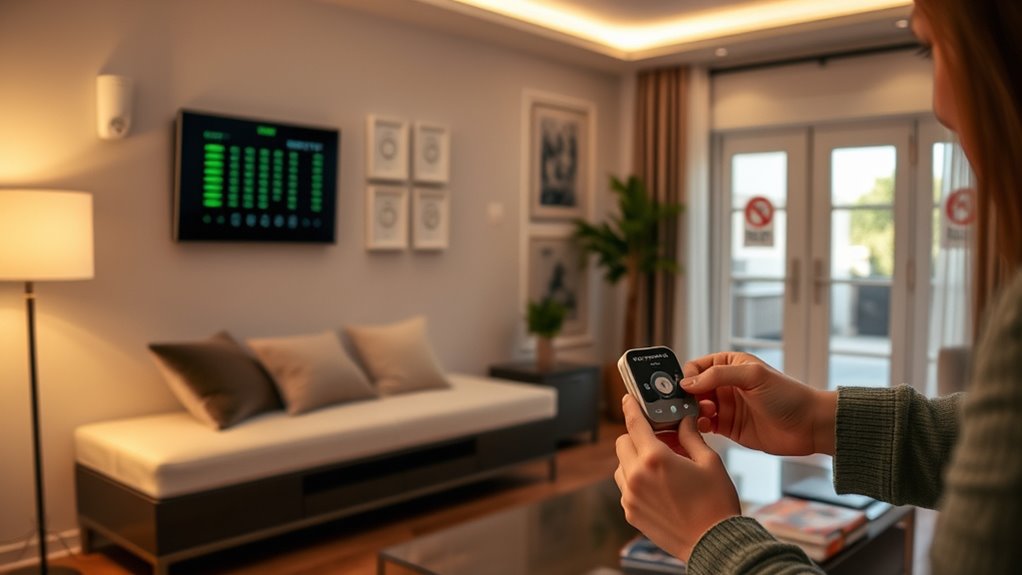
Have you ever wondered how small changes can considerably improve safety in your home or workplace? One of the most effective steps you can take is setting up a reliable home alert system. Starting with fire alarm installation is essential. Well-placed smoke detectors can alert you to danger early, giving you precious seconds to evacuate or address the emergency. When installing fire alarms, make sure they’re positioned on every level of your home, especially near bedrooms and kitchens. Test alarms monthly and change batteries at least once a year to maintain peak function. Modern smoke detectors with interconnected alarms are even better—they activate all units simultaneously when one detects smoke, increasing your chances of early warning.
Small changes, like installing interconnected smoke alarms, greatly boost home safety.
Alongside installing alarms, developing a thorough emergency plan is equally important. An emergency plan development session helps you and your family or coworkers understand what to do if a fire or other crisis occurs. This plan should include clear escape routes, designated meeting points outside the building, and instructions for helping vulnerable individuals. Make sure everyone is familiar with the plan and practices regular drills. When everyone knows their role, responses become faster and less frantic, reducing panic and confusion.
Integrating a home alert system involves more than just fire alarms. Consider adding carbon monoxide detectors, which are often overlooked but equally dangerous. These should be installed near bedrooms and on every level. Combining fire and carbon monoxide detectors with a monitored security system can provide enhanced safety. Some systems even send alerts directly to your mobile device, so you’re aware of emergencies even when you’re away.
Emergency plan development should also include making certain all relevant contacts are easily accessible. Keep emergency numbers close, and store important documents in a fireproof safe. Education plays a key role—make sure everyone understands how to interpret alarm sounds and knows what actions to take. Visual alerts, like flashing lights for hearing-impaired individuals, can also be integrated into your alert system.
interconnected smoke and carbon monoxide detectors
As an affiliate, we earn on qualifying purchases.
As an affiliate, we earn on qualifying purchases.
Frequently Asked Questions
What Is the Average Cost of Installing a Home Alert System?
When considering the cost of installing a home alert system, you should do a cost comparison to find options within your budget. On average, installation costs range from $100 to $500, depending on system features and complexity. You’ll want to plan your budget carefully, factoring in monthly service fees if applicable. Doing this helps you make informed decisions and guarantees you get the best system that meets your safety needs without overspending.
How Long Does It Take to Set up a Comprehensive Emergency Alert System?
The installation timeline for a thorough emergency alert system varies based on system customization and your home’s complexity. Typically, it takes anywhere from a few hours to a full day. Your installer will work with you to customize features, which can extend setup time. Be prepared for an efficient process, as clear communication helps speed up installation and ensures the system meets your specific safety needs.
Are There Any Government Grants or Incentives for Safety Modifications?
Think of government incentives and safety grants as your safety net, catching you when you need it most. You might be eligible for programs that help cover costs for safety modifications, like installing emergency alert systems. Check with local, state, or federal agencies, as these grants can vary. Applying is straightforward, and you could save money while making your home safer and more prepared for emergencies.
How Often Should System Batteries or Components Be Maintained or Replaced?
You should check your home alert system’s batteries and components regularly to guarantee safety. Typically, batteries have a lifespan of about one to three years, depending on usage and type. It’s best to replace batteries annually or whenever they show signs of weak performance. For other components, follow the manufacturer’s recommendations for maintenance or replacement, usually every few years, to keep your system reliable and ready in an emergency.
Can Existing Smart Home Devices Be Integrated Into an Emergency Alert System?
You can definitely integrate existing smart home devices into your emergency alert system. Smart device integration allows your devices to work together seamlessly, providing instant emergency notifications. Many smart systems are compatible with popular platforms like Alexa or Google Assistant, making setup straightforward. By connecting your smart devices, you guarantee rapid alerts during emergencies, helping you respond quickly and stay safe without needing additional equipment.
Conclusion
By setting up a home alert system, you’re not just installing gadgets—you’re building a safety net that catches you when you fall. Think of it as your home’s silent guardian, always watching and ready to respond. Taking these steps transforms your space into a fortress of security, giving you peace of mind. Remember, a well-prepared home is like a lighthouse guiding you safely through life’s storms. Stay alert, stay safe, and let your home be your strongest shield.