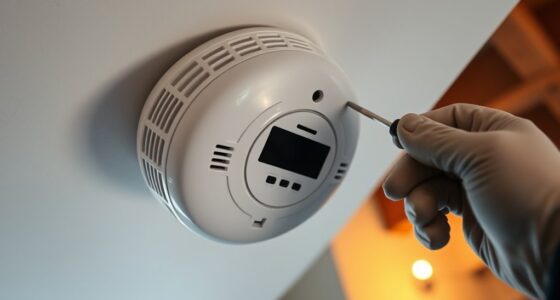

To prevent home accidents, prioritize regular safety checks like inspecting electrical systems, cleaning appliances, and testing smoke and carbon monoxide detectors monthly. Keep clutter away from heat sources and guarantee all locks, handrails, and stairways are secure. Don’t forget to maintain appliances, gutters, and plumbing to avoid water damage or fire hazards. Consistently monitoring these areas markedly boosts safety—keep going to discover more practical tips to keep your home secure.

Get the little things that make your day delivered free with Prime
- Fast, free delivery on millions of items
- Prime Video, Amazon Music and more included
- Member-only deals all year
Key Takeaways
- Regularly inspect electrical systems, turn off power before checking outlets, and call professionals for repairs to prevent shocks and fires.
- Keep heat-generating appliances clean and clear of combustible materials to reduce fire risks.
- Test smoke and carbon monoxide detectors monthly and replace batteries annually for early hazard detection.
- Maintain stair railings, door locks, and fix leaks promptly to prevent accidents and water damage.
- Incorporate routine safety checks into home maintenance to identify hazards and ensure a secure living environment.
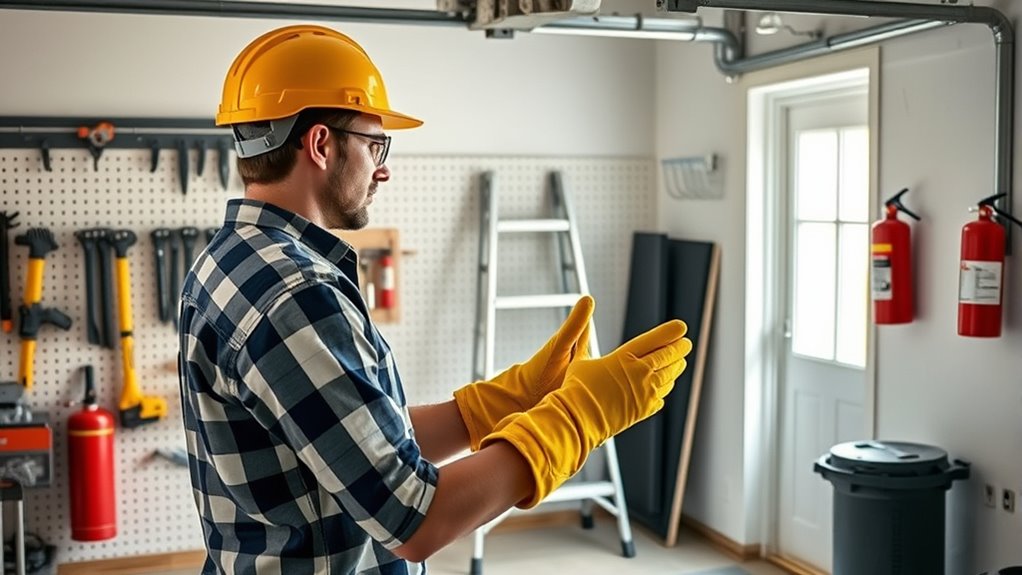
Ever wondered how to keep your belongings in top shape for longer? The key isn’t just about tidying up or investing in quality products; it’s also about prioritizing safety through regular maintenance. One of the most critical aspects of home upkeep involves electrical safety. Faulty wiring, damaged outlets, or overloaded circuits can pose serious risks, so it’s essential to routinely inspect your electrical systems. Turn off the power before checking outlets or switches, and look for signs of wear such as scorch marks, frayed wires, or sparks. If you notice any issues, don’t hesitate to call a licensed electrician to handle repairs. Proper electrical safety not only keeps your home protected from shocks and fires but also extends the lifespan of your electrical components. Security systems can also serve as an additional layer of safety, especially when integrated with monitoring services.
Regularly inspect electrical systems and call professionals to ensure safety and prolong your home’s electrical lifespan.
Fire prevention is another crucial element of maintenance that shouldn’t be overlooked. Regularly cleaning your appliances, especially those that generate heat like stoves, space heaters, or dryers, helps prevent potential fire hazards. Keep combustible materials away from heat sources, and ensure your smoke alarms are functioning properly by testing them monthly and changing batteries at least once a year. Clear clutter from your home, particularly near electrical panels and heating units, to reduce the risk of accidental fires. Additionally, check the condition of your fire extinguishers annually and ensure everyone in your household knows how to use them. Installing smoke detectors on every level and in bedrooms can provide early warnings and save lives, so make these a priority during your routine maintenance.
Beyond electrical and fire safety, don’t forget to maintain other areas of your home to prevent accidents. Regularly inspect stair railings, handrails, and door locks to ensure they’re secure. Clean gutters to prevent water damage and mold growth, which can lead to structural issues or health problems. Fix leaky faucets and plumbing problems promptly to avoid water damage or mold development. These simple tasks can seem minor but profoundly reduce the risk of accidents and costly repairs down the line.
Incorporating these maintenance habits into your routine isn’t just about preserving your belongings; it’s about creating a safe environment for everyone in your home. By staying vigilant with electrical safety practices and fire prevention measures, you protect yourself, your loved ones, and your property from preventable accidents. Keep safety at the forefront, and regularly review your maintenance checklist to stay ahead of potential hazards. Taking these proactive steps ensures your home remains a safe, secure haven for years to come.
smoke and carbon monoxide detectors with test button
As an affiliate, we earn on qualifying purchases.
As an affiliate, we earn on qualifying purchases.
Frequently Asked Questions
How Often Should Smoke and Carbon Monoxide Detectors Be Tested?
You should test your smoke and carbon monoxide detectors at least once a month to guarantee proper detector maintenance. Regular safety testing helps confirm they’re working correctly and can alert you in an emergency. Don’t forget to replace batteries annually or as needed. Following these simple steps keeps your home safe, minimizes risk, and ensures your detectors are always ready to protect you and your loved ones in case of danger.
What Safety Gear Is Recommended for Home Maintenance Tasks?
Picture yourself working on a project, sparks flying or dust swirling around. To stay protected, always wear personal protective equipment like safety goggles, gloves, and a dust mask. Choose safe clothing choices—long sleeves, sturdy shoes, and avoid loose fabrics that could catch. These safety gear essentials shield you from potential hazards, keeping you safe while you tackle home maintenance tasks. Remember, safety gear isn’t optional; it’s your first line of defense.
How Can I Identify Hidden Electrical Hazards in My Home?
To identify hidden electrical hazards in your home, start by inspecting your electrical wiring for signs of damage, such as frayed cords or scorch marks. Use a circuit tester to check outlets and switches for proper grounding and operation. Be cautious of outdated wiring, overloaded circuits, or unusual buzzing sounds. Regularly schedule professional inspections to uncover hidden hazards, ensuring your home stays safe from electrical risks.
What Are the Signs of Structural Damage Needing Professional Inspection?
You should look for signs like foundation cracks or sagging walls, which indicate structural damage needing professional inspection. Cracks that are wide, uneven, or continuously growing are red flags. Sagging walls or doors that stick or don’t close properly can also signal underlying issues. If you notice these signs, don’t delay; call a professional to assess and repair the damage before it worsens, ensuring your home’s safety and stability.
How Do I Safely Dispose of Hazardous Household Chemicals?
So, you want to master the art of hazardous waste disposal, huh? First, don’t dump hazardous household chemicals down the drain or onto the ground—your local waste authority frowns on that. Instead, check if your community offers hazardous waste collection days. Use approved containers, label them clearly, and take your chemical disposal seriously. Remember, proper chemical disposal keeps your home and environment safe, so don’t cut corners!
Conclusion
By following these maintenance tips, you’re taking proactive steps to keep your home safe and sound. Regular inspections and prompt repairs can prevent accidents before they happen, giving you peace of mind. Remember, a stitch in time saves nine—address issues early on to avoid bigger problems down the road. Stay vigilant and prioritize safety, because a well-maintained home is a happy home. Keep safety first, and you’ll enjoy comfort without the worry.
Halloween Picks
halloween
As an affiliate, we earn on qualifying purchases.