Music therapy and soundscapes invite you to actively engage in listening and improvisation, which can ease stress, boost mood, and foster emotional awareness. By participating in creating melodies or immersing yourself in calming ambient sounds, you tap into a powerful healing process that enhances resilience and self-expression. These practices turn sound into a tool for emotional release and well-being. Continue exploring to discover how blending active creation with soothing soundscapes can support your healing journey.
Key Takeaways
- Music therapy and soundscapes foster emotional expression, reduce stress, and enhance well-being through active participation and listening.
- Combining improvisation with ambient sounds creates personalized, calming environments that promote relaxation and mental clarity.
- Active engagement in musical improvisation helps process complex emotions and builds emotional resilience.
- Soundscapes like rain or wind facilitate mindfulness, reduce anxiety, and support therapeutic relaxation techniques.
- Participatory sound therapy empowers individuals to explore emotions, develop self-awareness, and achieve inner peace through active listening and creation.
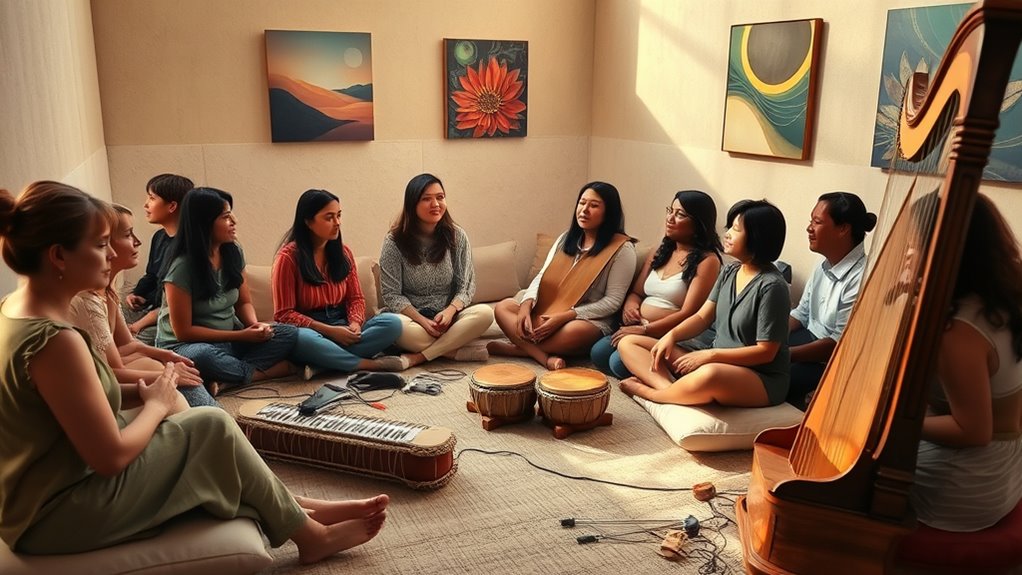
Have you ever wondered how sound can influence your mood and well-being? It’s a fascinating area where music therapy and soundscapes intersect, creating powerful tools for healing. When you engage with musical improvisation, you’re not just creating spontaneous melodies; you’re tapping into a form of expression that can release emotions, reduce stress, and foster a sense of connection. Improvisation allows you to explore your feelings without judgment, offering a safe space to process complex emotions. This active participation can boost your confidence and help you gain insight into your inner world. In a therapeutic setting, guided improvisation encourages openness and emotional release, which can be especially beneficial for those struggling to verbalize their feelings.
Engaging in musical improvisation releases emotions, reduces stress, and fosters connection without judgment.
Alongside musical improvisation, ambient sound design plays a vital role in shaping therapeutic soundscapes. Ambient sounds—such as gentle rain, flowing water, or soft wind—are carefully crafted to create a calming environment that promotes relaxation and mindfulness. When you listen to these soundscapes, your brain naturally begins to associate them with safety and tranquility. This is because ambient sound design is intentionally crafted to reduce mental clutter and promote focus, helping you to stay present in the moment. Whether used during meditation, therapy sessions, or quiet reflection, ambient soundscapes can help lower cortisol levels, ease anxiety, and improve overall mood. Additionally, understanding the benefits of sound therapy can further enhance your appreciation of these healing modalities.
Together, musical improvisation and ambient sound design form a dynamic duo that enhances your emotional resilience. Participating in improvisation sessions can make you more receptive to the soothing qualities of ambient sounds, deepening your sense of calm. This integration offers a personalized experience, allowing you to tailor the soundscape to your needs—whether you’re seeking energizing inspiration or deep relaxation. The act of creating music in the moment, combined with listening to carefully curated ambient sounds, can foster a profound sense of mastery and self-awareness. It’s not just about hearing sounds; it’s about actively engaging with them, shaping your emotional landscape through participation.
Ultimately, sound therapies that incorporate musical improvisation and ambient sound design empower you to harness the healing potential of sound. They remind you that healing isn’t passive—it’s an active process that involves listening, creating, and embracing your emotional responses. As you explore these soundscapes, you may discover new ways to soothe your mind, express your feelings, and build resilience. In the end, sound becomes a bridge to well-being, guiding you toward greater balance and inner peace.
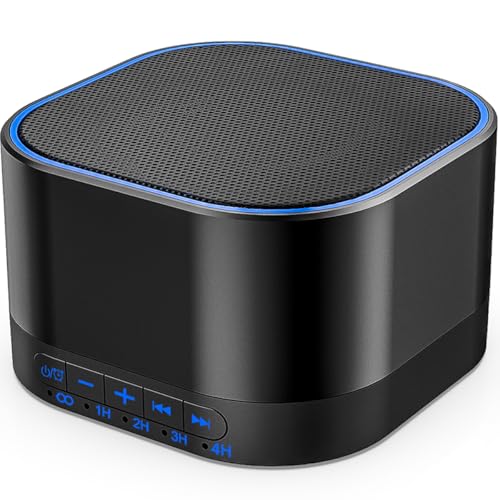
Magicteam White Noise Machine with 20 Non Looping Natural Soothing Sounds Memory Function 32 Levels of Volume Powered by AC or USB and Sleep Sound Timer Therapy for Baby Kids Adults Black
❤20 Non-Looping Sleep Sounds: White noise ,Brown noise, pink noise, blue noise, fan,brook, rain, ocean,bird and Bonfire,suitable for…
As an affiliate, we earn on qualifying purchases.
As an affiliate, we earn on qualifying purchases.
Frequently Asked Questions
How Does Music Therapy Differ From Traditional Medical Treatments?
Music therapy differs from traditional medicine because it actively engages you in healing through listening and participation. Unlike traditional medicine, which often relies on medication or surgery, music therapy uses sound, rhythm, and melody to address emotional, mental, and physical issues. It’s a holistic approach that complements traditional treatments, helping you manage stress, improve mood, and enhance overall well-being without invasive procedures or pharmaceuticals.
Can Soundscapes Be Personalized for Individual Therapeutic Needs?
Yes, you can have personalized soundscapes tailored to your therapeutic needs. Custom auditory experiences are designed specifically for you, incorporating sounds and melodies that resonate with your emotional and physical state. By working with a sound therapist or using specialized apps, you can create personalized soundscapes that help reduce stress, improve mood, or enhance relaxation. These tailored experiences make therapy more effective and engaging, addressing your unique healing journey.
What Scientific Evidence Supports Music Therapy’s Effectiveness?
Like a key opening hidden doors, neuroscience research and clinical trials reveal music therapy’s powerful effects. Scientific evidence shows it can reduce anxiety, improve mood, and enhance cognitive function by rewiring brain pathways. You benefit from these proven results as studies demonstrate real changes in brain activity, making music therapy a validated, effective tool for healing. Its harmony with science underscores its role in unblocking your potential for recovery and well-being.
Are There Specific Age Groups That Benefit Most From Soundscape Therapy?
You’ll find that children and the elderly benefit most from soundscape therapy. For children, it supports healthy child development by enhancing focus and emotional regulation. For the elderly, it improves well-being by reducing stress and aiding memory. You can actively participate in creating and listening to calming soundscapes, which tailor benefits to each age group. This therapy fosters overall mental health and emotional resilience across different stages of life.
How Can I Incorporate Soundscapes Into Daily Self-Care Routines?
You can incorporate soundscapes into your daily self-care routines by playing ambient sounds during mindfulness practices or relaxation moments. Choose calming nature sounds or gentle melodies and set aside time each day to listen mindfully, focusing on the present moment. This helps reduce stress, enhances relaxation, and promotes mental clarity. Using soundscapes as a regular part of your routine creates a peaceful environment and supports your overall well-being.

Dementia: Innovative Ideas Using Music, Movement, and Improvisation
As an affiliate, we earn on qualifying purchases.
As an affiliate, we earn on qualifying purchases.
Conclusion
When you explore music therapy and soundscapes, you’re not just listening—you’re opening secret doors to a universe of healing. It’s like having a superpower that can melt away stress, banish pain, and turn chaos into calm—all with a simple listen. So, next time life feels overwhelming, remember: your ears hold the key to transforming your world. Trust the magic of sound; it’s more powerful than you ever imagined!

Meditation White Noise Sound Machine 30 Soothing Sounds with 32 Volume Control 12 Night Light 5 Timers Portable Sleep Machine for Travel Powered by AC or USB Sleep Therapy for Baby Kids Adults (Black)
♬【30 Non-Looping Sounds】The Meditation white noise machine aims to mimic the natural environment: white noise, rain, sea wave,…
As an affiliate, we earn on qualifying purchases.
As an affiliate, we earn on qualifying purchases.
Magicteam White Noise Machine with 20 Non Looping Natural Soothing Sounds Memory Function 32 Levels of Volume Powered by AC or USB and Sleep Sound Timer Therapy for Baby Kids Adults Black
❤20 Non-Looping Sleep Sounds: White noise ,Brown noise, pink noise, blue noise, fan,brook, rain, ocean,bird and Bonfire,suitable for…
As an affiliate, we earn on qualifying purchases.
As an affiliate, we earn on qualifying purchases.