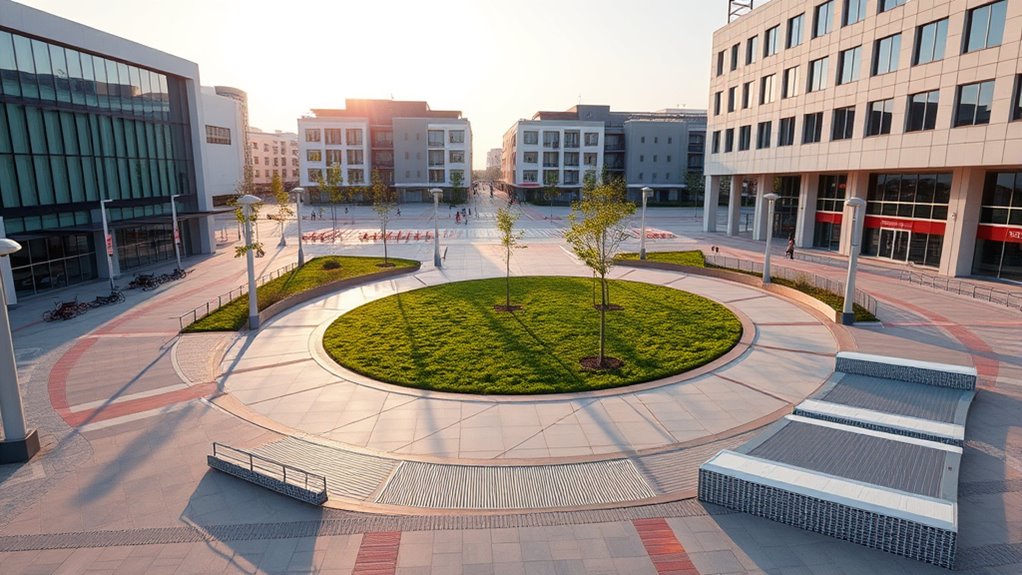

Effective spatial planning helps you create accessible spaces and smooth pedestrian flow by designing well-placed, direct pathways and integrating natural elements like green spaces. By using zoning rules to organize zones and connect different areas, you can prevent congestion and improve safety. Strategic positioning along boundaries and buffers encourages walking, reduces vehicle reliance, and promotes comfort for all users. Keep exploring how these principles can transform your environment into a more navigable and inclusive space.

Get the little things that make your day delivered free with Prime
- Fast, free delivery on millions of items
- Prime Video, Amazon Music and more included
- Member-only deals all year
Key Takeaways
- Design wide, direct, and safe pedestrian pathways that accommodate all users, including those with mobility challenges.
- Integrate pathways along zoning boundaries to connect different land use zones and promote walkability.
- Use curb cuts, ramps, tactile paving, and proper signage to enhance accessibility for diverse users.
- Position pathways strategically with shade, lighting, and amenities like benches to improve comfort and flow.
- Apply zoning regulations to create green buffers and pedestrian-only zones, facilitating seamless and safe movement.
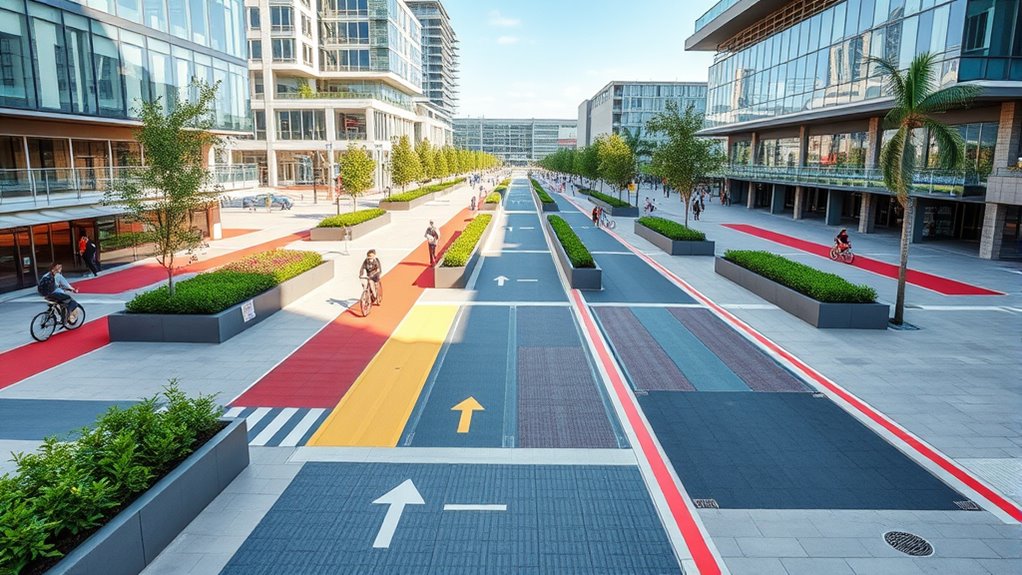
Effective spatial planning is key to creating spaces that are both accessible and easy to navigate. When designing environments, you need to prioritize how people move through the area, guaranteeing that pedestrian pathways are clear, direct, and safe. Well-planned pedestrian pathways help reduce congestion, prevent accidents, and make sure everyone can reach their destinations comfortably. Think about how people will walk from one point to another and design pathways that are wide enough to accommodate foot traffic without feeling crowded. Incorporate curb cuts, ramps, and tactile paving to support those with mobility challenges, making the space inclusive for all users. By doing so, you foster an environment where everyone feels comfortable and confident moving around. Incorporating natural elements not only enhances the aesthetic but also promotes a calming experience for pedestrians.
Zoning regulations play a vital role in shaping how spaces are organized and accessed. These regulations set the rules for land use, building placement, and the overall layout of the area. When you work within zoning guidelines, you make certain that different zones—residential, commercial, recreational—are thoughtfully separated and connected. This helps prevent conflicts like noisy factories next to quiet neighborhoods and ensures that pedestrian pathways link these zones seamlessly. Zoning regulations also dictate setbacks, height restrictions, and spacing, which influence how open or dense an area feels. By respecting and leveraging these rules, you can create a cohesive flow that guides pedestrians naturally through different parts of the space while maintaining safety and functionality.
Integrating pedestrian pathways with zoning regulations isn’t just about compliance; it’s about creating a harmonious environment. When pathways are strategically placed alongside zoning boundaries, they can serve as connectors that encourage walking and reduce reliance on vehicles. You should consider sightlines, shade, and destinations—like benches, crosswalks, and street lighting—to enhance pedestrian comfort and safety. Proper planning guarantees that pathways are direct, well-lit, and accessible, making it easier for people to get where they need to go efficiently. Additionally, zoning laws may require setbacks or buffers that can be used to create green spaces or pedestrian-only zones, further enhancing flow and accessibility.
accessible pedestrian pathway ramps
As an affiliate, we earn on qualifying purchases.
As an affiliate, we earn on qualifying purchases.
Frequently Asked Questions
How Can Technology Enhance Spatial Planning for Accessibility?
Technology enhances spatial planning for accessibility through smart zoning and data integration. You can use smart zoning to designate areas efficiently, ensuring accessible routes and spaces. Data integration allows you to gather real-time information on traffic, pedestrian flow, and user needs, helping you make informed decisions. This combination streamlines planning processes, improves accessibility, and creates a more inclusive environment for all users.
What Are the Legal Considerations in Spatial Planning?
You need to take into account zoning regulations and land use laws, as they dictate what you can build and where. Make sure your plans comply with local codes to avoid legal issues. You must also address building codes, environmental laws, and accessibility standards to ensure your project is legally sound. Consulting with legal experts and engaging with community stakeholders helps you navigate these regulations smoothly, reducing future risks.
How Does Climate Change Impact Spatial Flow Design?
Climate change impacts your spatial flow design by challenging urban resilience and requiring climate adaptation. You must incorporate flood defenses, green infrastructure, and elevated pathways to manage extreme weather events. As temperatures rise, you’ll need to plan for cooling zones and sustainable transportation options. These measures guarantee your urban spaces remain accessible, safe, and resilient, helping communities adapt effectively to changing climate conditions and maintain seamless flow.
What Funding Options Are Available for Accessibility Projects?
Imagine opening a treasure chest of possibilities—funding sources like government grants, private foundations, and community programs open doors for your accessibility projects. You can tap into federal and state grant opportunities specifically designed for inclusive design. Additionally, explore crowdfunding and corporate sponsorships as alternative paths. Actively pursue these options, and you’ll find the financial support needed to turn your vision into reality, making spaces accessible for everyone.
How Do Cultural Factors Influence Spatial Planning Decisions?
You should consider how cultural symbolism influences your spatial planning decisions, as it reflects community values and identity. Engaging the community ensures that their cultural factors are integrated, fostering acceptance and relevance. By actively involving residents, you can better understand their perspectives and traditions, which helps shape spaces that resonate culturally. This approach enhances inclusivity and creates environments that honor local customs, making planning more effective and meaningful.
Conclusion
By carefully designing spaces for accessibility and flow, you create a seamless dance where every movement feels natural and effortless. When you prioritize these elements, the environment becomes a well-orchestrated symphony, guiding people smoothly through each area. Remember, good spatial planning is the heartbeat of functional environments, turning chaos into harmony. So, take the time to craft your space thoughtfully—because when accessibility and flow align, everything moves in perfect rhythm.
NFL season / tailgating Picks
team gear
As an affiliate, we earn on qualifying purchases.