
To make cost-efficient accessibility upgrades, start with a standardized assessment to identify specific barriers precisely. This helps you prioritize improvements that will have the most impact and stay within your budget. Using consistent tools guarantees reliable evaluation and objective decision-making. Remote methods like virtual inspections can save time and money. By combining these approaches, you’ll maximize your resources and meet compliance standards effectively—discover how to implement these strategies for the best results.
Key Takeaways
- Utilize standardized assessment tools to identify critical accessibility barriers efficiently and objectively.
- Conduct remote evaluations through virtual inspections to reduce costs and time.
- Perform detailed cost analyses for each upgrade option to prioritize high-impact, budget-friendly improvements.
- Use data-driven planning to allocate resources effectively and maximize accessibility benefits.
- Ensure upgrades meet standards consistently, preventing unnecessary expenses and enhancing overall accessibility compliance.

Accessibility upgrades are transforming the way everyone interacts with public spaces and digital platforms, making them more inclusive for people of all abilities. When planning these upgrades, a key step is conducting a standardized assessment to identify where improvements are needed most. This process helps you pinpoint specific barriers and prioritize actions effectively. To make this process both efficient and cost-effective, many organizations turn to remote evaluation methods. Remote evaluation allows you to assess accessibility features without the need for on-site visits, saving time and money. You can gather data through virtual inspections, video walkthroughs, and digital surveys, which provide a thorough view of existing conditions. This approach enables you to quickly identify gaps and determine which upgrades will deliver the most impact, all while reducing logistical costs.
Once you’ve gathered sufficient data, performing a detailed cost analysis becomes crucial. Cost analysis helps you understand the financial investment required for each potential upgrade, ensuring you allocate resources wisely. By comparing the costs of different accessibility improvements—such as installing ramps, widening doorways, or adding tactile signage—you can develop a clear picture of what’s feasible within your budget. This step also allows you to weigh the long-term benefits against initial expenses, helping you avoid overspending on features with limited impact. Incorporating a thorough cost analysis early on ensures that your upgrade plan aligns with available resources, making each dollar work harder to create meaningful change.
Standardized assessment tools are essential in this process because they provide consistent criteria for evaluating accessibility features across different locations or projects. When you use standardized methods, your evaluations become more reliable and comparable, eliminating guesswork and subjective judgments. This consistency supports an objective decision-making process, making sure that every upgrade addresses genuine needs rather than assumptions. Additionally, standardized assessments streamline planning and reporting, which is especially useful when seeking funding or demonstrating compliance with accessibility standards.
Frequently Asked Questions
How Do Accessibility Standards Vary Across Regions?
You’ll notice accessibility standards vary across regions due to legislative differences and regional disparities. Some areas enforce strict codes aligned with international guidelines, while others have more relaxed regulations. These variations can impact how you plan upgrades, requiring you to adapt to local requirements. Staying informed about regional disparities guarantees your accessibility projects meet legal standards and effectively serve diverse communities, helping you navigate the complexities of compliance and inclusive design.
What Are Common Challenges in Implementing Upgrades?
Did you know that nearly 60% of accessibility upgrades face challenges with architectural integration? You’ll often struggle with limited space or incompatible designs, making upgrades complex. Technology adoption can also be slow due to high costs or resistance to change. Balancing these factors requires careful planning, but with a standardized assessment approach, you can identify solutions that work within existing structures and improve overall accessibility efficiently.
How Can Costs Be Minimized During Upgrades?
You can minimize costs during upgrades by focusing on thorough budget planning to identify essential improvements and avoid unnecessary expenses. Selecting vendors carefully guarantees you get quality work at competitive prices, helping you stay within budget. Comparing quotes and negotiating contracts also save money. Additionally, prioritizing upgrades based on urgency and impact prevents overspending on less critical areas, making your overall project more cost-efficient.
Are There Funding Options for Accessibility Improvements?
You can explore various funding options to support accessibility improvements, like grant opportunities that can ease your financial burden. Private funding sources may also be available, offering additional resources to help you create more inclusive spaces. By tapping into these financial avenues, you pave the way for more accessible environments without stretching your budget, making it easier to implement necessary upgrades and enhance everyone’s experience.
How Is Community Feedback Incorporated Into Planning?
You actively gather community feedback through engagement sessions, surveys, and public meetings. To incorporate this feedback, you analyze suggestions and concerns, then integrate them into your planning process. You prioritize issues raised by the community, ensuring accessibility upgrades reflect their needs and preferences. This approach fosters transparency and trust, allowing residents to see their input directly influence the project’s design, ultimately creating more inclusive and effective accessibility improvements.
Conclusion
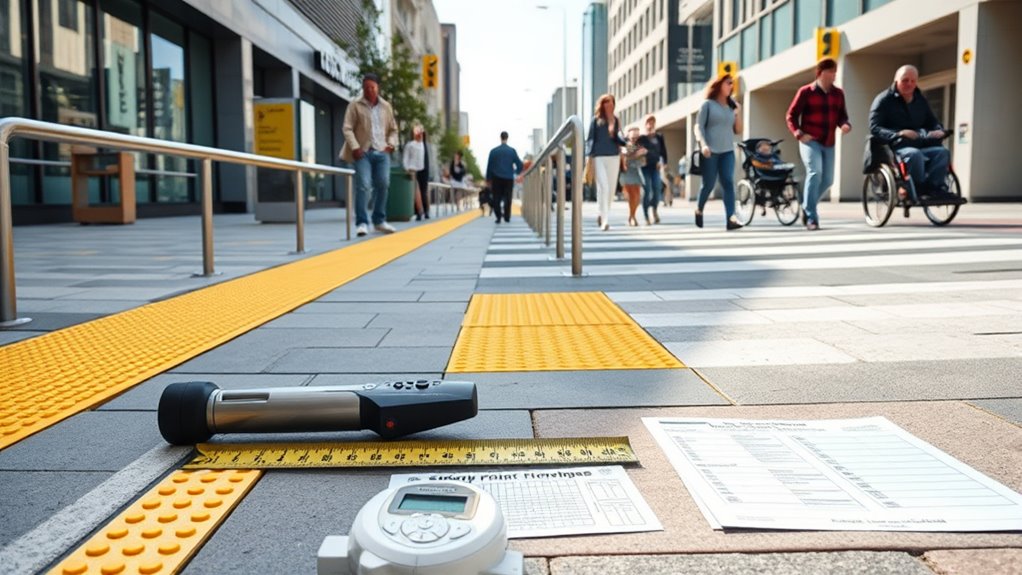
By standardizing your assessment and planning, you can make accessibility upgrades affordable and effective. For instance, consider a community center that prioritized cost-efficient modifications, like installing ramps and tactile paving, based on a clear plan. These upgrades not only improved access for all visitors but also saved money in the long run. When you approach accessibility with a strategic, standardized plan, you guarantee everyone benefits without breaking the budget.