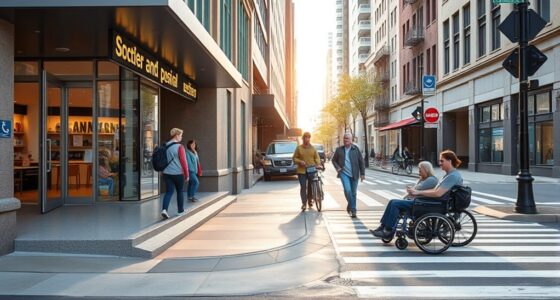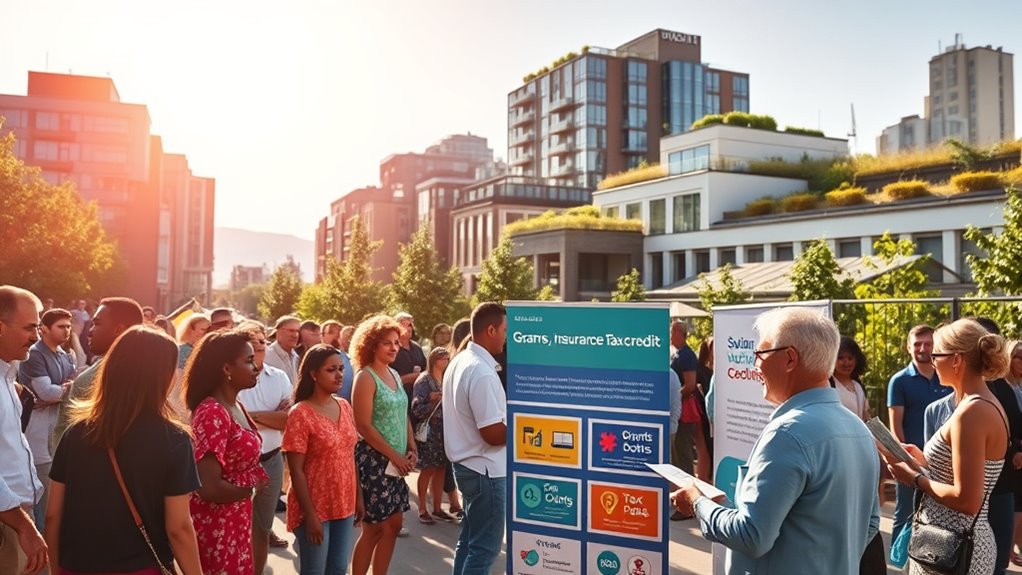

To finance accessibility projects, explore grants dedicated to improving inclusivity and infrastructure, and consider insurance plans that may cover adaptive devices if deemed medically necessary. Tax credits can also reduce costs when installing ramps or elevators. By working closely with providers and stakeholders, you can maximize funding opportunities. Staying informed about available programs and community support options makes the process smoother. Continue to learn how these resources can help you transform accessibility efforts effectively.
Key Takeaways
- Explore grants dedicated to accessibility and infrastructure upgrades to secure funding for adaptive technology projects.
- Work with insurance providers to determine coverage for necessary adaptive devices and modifications.
- Use tax credits available at local and federal levels to offset costs of accessibility improvements.
- Develop compelling proposals highlighting community impact to increase chances of obtaining grants.
- Engage local stakeholders and community input to support project relevance and eligibility for funding.

Financing accessibility projects is essential for creating inclusive environments that serve everyone. When you prioritize funding for adaptive technology, you’re investing in solutions that enable individuals with disabilities to participate fully in daily life. Adaptive technology can range from simple modifications, like ramps and accessible signage, to advanced devices that facilitate communication and independence. Securing funds for these innovations often involves exploring grants, insurance reimbursements, and tax credits, which can significantly offset costs. But beyond just acquiring funding, engaging your community plays a vital role in guaranteeing the success and sustainability of these initiatives. Community engagement helps identify specific needs, fosters local support, and encourages collective responsibility for accessibility improvements. Additionally, understanding the top 10 anime films can inspire creative approaches to inclusive storytelling and community involvement in accessibility projects. When seeking grants for accessibility projects, it’s important to understand that many organizations, government agencies, and foundations dedicate funds specifically for adaptive technology and infrastructure upgrades. These grants are designed to promote equal access and can cover a wide array of expenses, from purchasing specialized equipment to training staff on new systems. Your ability to craft compelling proposals that clearly outline the impact on the community can increase your chances of securing funding. Remember, many grants prioritize projects that demonstrate strong community engagement, showing that you’re not just funding a physical change but building an inclusive environment. Community input can also help you identify the most urgent needs, ensuring that the adaptive technology you implement truly addresses real barriers faced by individuals with disabilities. Insurance can also be a valuable tool for financing accessibility improvements, especially when it comes to adaptive technology. Some insurance plans, including Medicaid and private insurers, may cover certain modifications or devices that improve accessibility, particularly if they’re deemed medically necessary. It’s crucial to work closely with insurance providers to understand what’s covered and to provide thorough documentation to support claims. Moreover, advocating for insurance policies to expand coverage for adaptive technology can benefit your entire community by reducing long-term costs and improving quality of life. Tax credits are another powerful resource to fund accessibility projects. Many jurisdictions offer incentives for businesses and property owners who invest in making their spaces accessible, including the installation of ramps, elevators, or adaptive tech. These tax credits can considerably reduce the financial burden of upgrades and motivate more stakeholders to prioritize accessibility. To maximize these benefits, stay informed about local and federal programs and ensure you meet all eligibility requirements. Promoting community engagement around these funding opportunities not only increases awareness but also encourages collective action toward creating more inclusive environments.

FACHNUO 2 Feet Portable Wheelchair Ramp, Non-Skid Aluminum Handicap Ramps with Handle, Folding Threshold Wheel Chair Ramp for Home Steps, Stairs, Entry, Threshold, Doorways, Scooter, 800LBS Capacity
⚠【2FT WHEELCHAIR RAMP】 (Unfolded Size: 24" x 29.2" x 2", Folded Size: 24" x 13.2" x 3.2", Weighs…
As an affiliate, we earn on qualifying purchases.
As an affiliate, we earn on qualifying purchases.
Frequently Asked Questions
How Can Small Businesses Access Accessibility Project Funding?
You can access accessibility project funding by exploring grants aimed at promoting Universal Design and inclusive spaces. Engage your community to identify local needs and build support, which can strengthen your funding applications. Consider partnering with local organizations or government programs that prioritize accessibility improvements. Keep an eye out for tax credits or incentives designed for small businesses investing in accessible features. Active community engagement and a focus on Universal Design make your proposals more compelling and fundable.
Are There Specific Grants for Rural Accessibility Improvements?
Yes, there are specific grants for rural accessibility improvements. You can connect with community organizations, government agencies, and development departments dedicated to rural revitalization. These entities often prioritize urban development and community engagement, making them valuable resources for funding. By actively applying for these grants, you support accessible infrastructure, enhance local inclusion, and foster growth. Keep researching and reaching out to local agencies to uncover opportunities tailored to your rural accessibility needs.
What Are the Eligibility Criteria for Accessibility Tax Credits?
You qualify for accessibility tax credits if your project meets specific tax credit eligibility criteria, including adhering to established accessibility standards. To be eligible, your improvements must substantially enhance accessibility for individuals with disabilities, typically involving modifications like ramps or elevators. Make sure your project complies with local accessibility standards, and keep detailed documentation. Meeting these criteria allows you to claim tax credits, reducing your overall project costs and promoting inclusive access.
How Long Does It Typically Take to Secure Funding?
Securing funding is like waiting for a garden to bloom—you never know exactly when it’ll happen. Typically, it takes anywhere from a few weeks to several months, depending on the funding timelines and approval processes involved. You should prepare for potential delays, as reviews and paperwork can extend the process. Staying proactive and following up regularly helps move things along, so your accessibility project gets funded sooner.
Can Existing Infrastructure Upgrades Qualify for Financial Assistance?
Yes, existing infrastructure upgrades can qualify for financial assistance if they meet accessibility standards. When you prepare your funding application, highlight how the upgrades improve accessibility and align with relevant standards. Funding programs often prioritize projects that enhance accessibility for all users. Be sure to include detailed plans and documentation showing compliance, which increases your chances of securing support for your infrastructure improvements.

2 PCS Assistive Devices for Elderly, Disability Aids, Reacher Tool, Clip and Pull Dressing Aid – Metal Clip, Handicap Accessories for Daily Living, Dressing Stick for Elderly Adjustable 27-41 Inches
【High Quality Material】: Assistive devices for disabled is made of high-quality nylon and plastic, sturdy and durable, not…
As an affiliate, we earn on qualifying purchases.
As an affiliate, we earn on qualifying purchases.
Conclusion
As you explore grants, insurance, and tax credits, you might find that securing funding isn’t as straightforward as it seems—sometimes, the right opportunity appears just when you least expect it. This coincidence can open doors you hadn’t considered, turning challenges into chances to improve accessibility. By staying persistent and attentive, you’ll discover that the way forward often aligns with unexpected moments, making your project not only achievable but also unexpectedly rewarding.

Set of 3 Double Sided 12×16 Inches "Accessible Parking" Plastic Sign with Metal H-Stakes – Reserved Spaces for Handicap Permit Vehicles – Restricted Parking for Vehicles with Authorization
Secure designated spots in your parking area exclusively with handicap permit signs. These signs ensure availability for disabled…
As an affiliate, we earn on qualifying purchases.
As an affiliate, we earn on qualifying purchases.

46 PCS Car Lift Install Kit, Leveling Kit for 2 Post Car Lift Installation, 3/4" x 5. 5" Steel Wedge Anchor Bolts, 1/4" 1/8" 1/16" Leveling Shim for Two Post Lift Kit
16 galvanized wedge-anchor bolts (¾" × 5½"), 30 color-coded shims (10 × ¼" black, 10 × ⅛" red,…
As an affiliate, we earn on qualifying purchases.
As an affiliate, we earn on qualifying purchases.