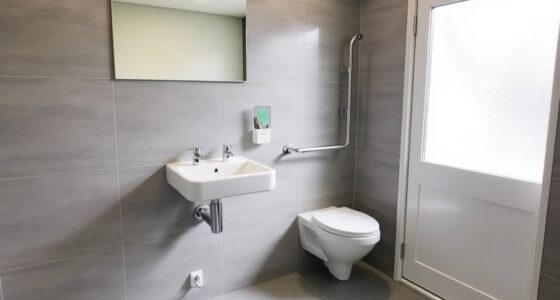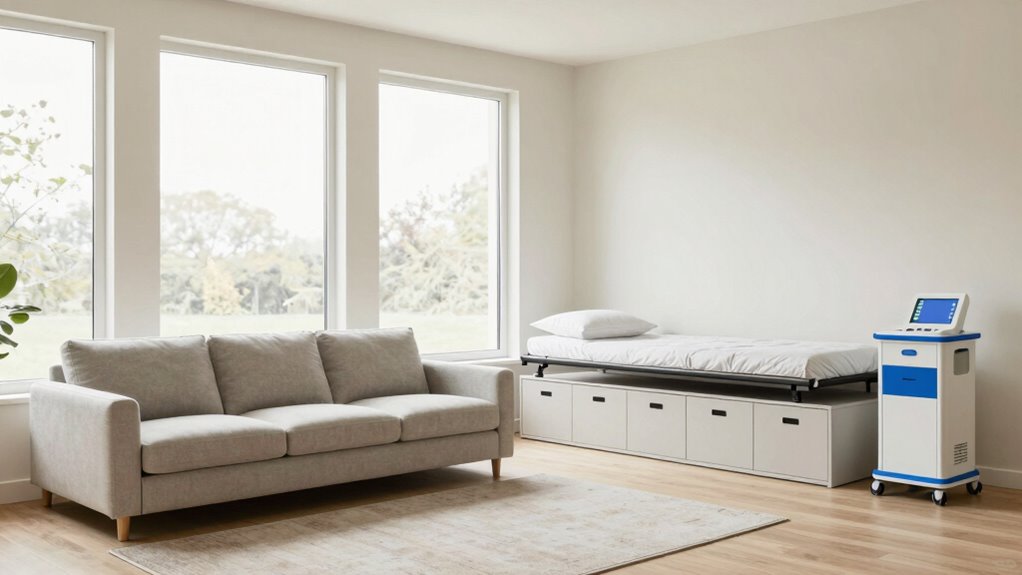

To create a more flexible home for changing health needs, incorporate universal design principles like wider doorways, zero-threshold entrances, and lever handles to improve accessibility. Use adaptive technologies such as voice-activated controls, adjustable beds, and smart systems for safety and comfort. Modify layouts with open spaces, grab bars, and ramps, blending function with style. Prioritize eco-friendly materials and indoor air quality for a healthier environment. Keep exploring ways to adapt your space as your needs evolve.

Get the little things that make your day delivered free with Prime
- Fast, free delivery on millions of items
- Prime Video, Amazon Music and more included
- Member-only deals all year
Key Takeaways
- Incorporate universal design features like wider doorways and lever handles for easier access for everyone.
- Install adaptable technology such as voice-activated controls and smart home systems for enhanced safety and convenience.
- Use flexible, open floor plans and safety modifications like grab bars and non-slip flooring for mobility and fall prevention.
- Choose sustainable, healthy materials that support indoor air quality and accommodate evolving health needs.
- Plan for future accessibility by adding ramps, stairlifts, and adjustable fixtures to ensure ongoing independence.
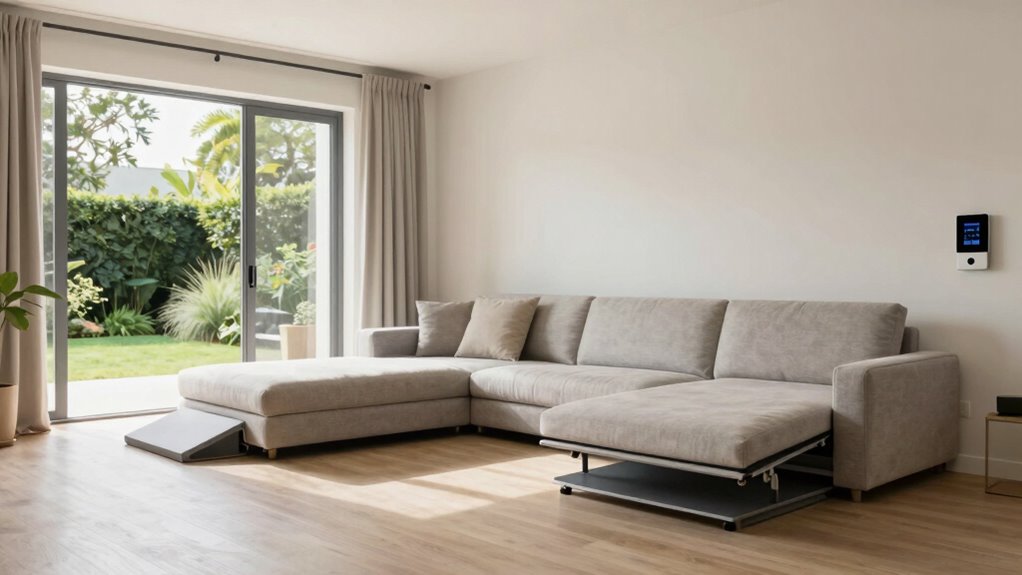
As health needs evolve, your home should adapt to support your changing requirements. One of the most effective ways to do this is by incorporating adaptive technology and embracing universal design principles. These approaches guarantee your living space remains functional, safe, and comfortable, no matter what health challenges you face. Adaptive technology includes devices and systems designed to assist with mobility, communication, and daily tasks. Examples like voice-activated controls, automated lighting, and adjustable countertops can make a significant difference. They allow you to maintain independence and reduce reliance on others, empowering you to stay in your home longer.
Adapting your home with technology and universal design supports independence and safety as health needs change.
Universal design focuses on creating environments that are accessible and usable by everyone, regardless of age or ability. By planning your home with features like wider doorways, zero-threshold entrances, and lever-style handles, you remove barriers that could hinder mobility or cause accidents. These design elements aren’t just for aging in place; they benefit anyone, especially when health needs change unexpectedly. When you integrate universal design into your home, you create a space that adapts seamlessly to your needs, eliminating the need for costly renovations later. Additionally, projector technology can be incorporated into your living space to support visual needs for entertainment or communication, making your home more inclusive.
Consider the layout of your home. Open floor plans provide flexibility for movement and can accommodate mobility aids like wheelchairs or walkers more easily. Installing grab bars in bathrooms, non-slip flooring, and adjustable-height sinks can make daily routines safer and more manageable. If you anticipate future needs, think about installing stairlifts or ramps now, rather than waiting until access becomes difficult. These modifications become part of the home’s design, blending functionality with aesthetics. Additionally, environmental impact of tissue paper can influence your choices for sustainable and eco-friendly materials in your home upgrades, supporting both your health and the planet. Incorporating universal design principles early can also save money and effort in the long run by creating a versatile space. Moreover, understanding indoor air quality gear and humidity control basics can help you maintain a healthier environment as your needs change. Recognizing the importance of existential themes from philosophical insights can also inspire a mindful approach to designing a home that nurtures your well-being.
Technology plays a vital role in making your home more adaptable. Smart home systems can be programmed to control lighting, temperature, and security remotely or through voice commands. Such features reduce physical strain and make managing your environment more intuitive. Additionally, adjustable beds and recliners provide comfort and support, especially during recovery or periods of illness. When planning upgrades, prioritize features that enhance safety and ease of use, guaranteeing that your home evolves alongside your health.
Ultimately, creating a flexible home means thinking ahead and making intentional choices that foster independence and comfort. By combining adaptive technology with universal design principles, you build a living space tailored to your changing needs. This approach not only enhances your quality of life but also provides peace of mind, knowing your home can adapt as your health evolves. Staying proactive and investing in these features now guarantees your home remains a safe, welcoming sanctuary for years to come.
As an affiliate, we earn on qualifying purchases.
Frequently Asked Questions
How Can I Budget for Home Modifications Over Time?
You can budget for home modifications over time by starting with financial planning that sets aside a specific amount each month or year. Prioritize modifications based on your current needs and future risks, focusing on urgent changes first. Keep track of costs and adjust your budget as needed. Setting aside funds gradually helps you manage expenses without stress, ensuring you’re prepared for necessary modifications as your health needs evolve.
Are There Specific Building Codes for Accessible Renovations?
Yes, there are specific building codes for accessible renovations, and they emphasize universal design and adaptive features. These codes guarantee your home meets safety and accessibility standards, such as wider doorways, ramps, and grab bars. You should consult local regulations or a professional familiar with ADA guidelines and regional codes, as requirements can vary. Incorporating universal design principles helps create a more adaptable, inclusive living space for evolving health needs.
How Do I Choose Between Temporary and Permanent Solutions?
Imagine tailoring your home like a versatile wardrobe—pick temporary solutions with adaptive technologies for quick, budget-friendly adjustments that can evolve with your needs. But if you see your situation stabilizing, invest in permanent modifications, integrating future-proofing strategies for lasting comfort. Consider how each option aligns with your long-term health journey, balancing flexibility and stability to create a space that adapts seamlessly as your needs change.
What Are the Best DIY Adjustments for Quick Changes?
You can make quick adjustments by incorporating adaptive furniture like adjustable beds or chairs, which easily modify to your needs. Installing smart home technology, such as voice-activated lights, thermostats, and automated door locks, allows for effortless control and accessibility. These DIY solutions enhance your home’s flexibility, making daily activities more manageable without extensive renovations, and they can be implemented swiftly to accommodate changing health needs.
How Can I Involve Family Members in Planning?
Think of your home as a ship charting changing seas; involving family members in planning is like gathering the crew for shared decision-making. Encourage open conversations, listen to everyone’s needs, and assign roles that suit each person’s strengths. This team effort fosters family participation, ensuring adjustments are practical and embraced. When everyone’s voice sails together, your home adapts smoothly to health changes, making the journey safer and more inclusive.
Conclusion
Imagine your home as a gentle stream, flowing and adapting with every twist and turn of your health journey. By designing flexible spaces now, you create a sanctuary that evolves with you—a haven that welcomes change like a warm embrace. When your needs shift, your home transforms seamlessly, offering comfort and support. Embrace this fluidity, so your living space becomes a steadfast partner, nurturing your well-being through every season of life.
Fall Picks
fall essentials
As an affiliate, we earn on qualifying purchases.