
TL;DR

Get the little things that make your day delivered free with Prime
- Fast, free delivery on millions of items
- Prime Video, Amazon Music and more included
- Member-only deals all year
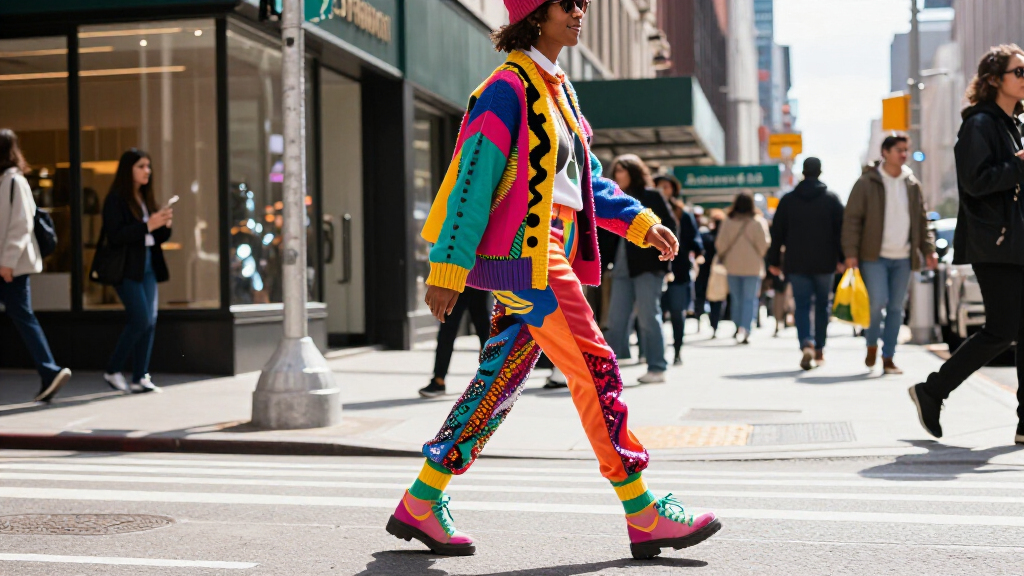
New York Fashion Week showcased a surge in joyful dressing, with designers emphasizing bright colors, playful designs, and optimistic themes. This trend reflects a broader cultural shift toward positivity and self-expression, though its full impact remains to be seen.
Bright colors, playful silhouettes, and optimistic themes dominated the runway at New York Fashion Week, signaling a major shift toward joyful dressing. This trend, observed across multiple designers’ collections, reflects a broader cultural movement emphasizing positivity and self-expression amidst recent societal challenges.
Throughout the week, designers showcased collections characterized by vibrant hues, whimsical accessories, and unconventional styling choices that evoke a sense of fun and optimism. Notably, several brands integrated playful patterns, oversized shapes, and eclectic mixes of textures, diverging from the more subdued tones seen in previous seasons.
Fashion analysts note that this trend aligns with increasing consumer interest in self-affirmation and emotional well-being, as evidenced by rising search interest in terms like ‘joyful dressing’ and ‘colorful fashion.’ While the trend’s popularity is still emerging, early reviews from industry insiders suggest it could influence mainstream fashion in the coming seasons.
Implications of the Joyful Dressing Trend for Fashion Industry
This shift toward joyful dressing signals a potential change in consumer preferences, emphasizing positivity, self-expression, and emotional resilience. If sustained, it could lead to a broader adoption of bright colors and playful styles across retail and fast fashion sectors, impacting marketing strategies and product offerings. The trend also reflects a cultural desire for optimism in uncertain times, influencing future fashion narratives and brand positioning.As an affiliate, we earn on qualifying purchases.
Cultural and Market Drivers Behind the Trend
Interest in joyful dressing has been building over recent months, with search trends showing a spike in related terms. This interest is partly attributed to a societal desire for positivity following years marked by global challenges, including the pandemic and geopolitical tensions. Fashion experts suggest that designers are responding to this mood shift by creating collections that prioritize happiness and self-affirmation, although the trend’s longevity remains uncertain. The unconfirmed trigger for this surge appears linked to broader cultural conversations about mental health and self-care, but specific causative factors are still unclear.Unconfirmed Factors Driving the Joyful Fashion Surge
It is not yet clear whether the joyful dressing trend will sustain beyond Fashion Week or if it is primarily a seasonal or marketing-driven phenomenon. The specific societal or economic triggers remain unconfirmed, and the long-term influence on mainstream retail is still uncertain.Future Outlook for Bright and Playful Fashion Styles
Fashion industry insiders anticipate that if the trend continues to resonate with consumers, it will influence upcoming collections and retail offerings. Brands may incorporate more colorful, playful elements into their designs, and market strategies could shift toward emphasizing positivity and self-expression. Monitoring consumer responses and sales data over the next few months will clarify whether joyful dressing becomes a lasting movement.Key Questions
What defines joyful dressing in fashion?
Joyful dressing involves bright colors, playful patterns, unconventional silhouettes, and accessories that evoke happiness and self-expression.
Is this trend limited to New York Fashion Week?
While it was most prominent during New York Fashion Week, early signs suggest it may influence broader fashion markets, but its longevity remains uncertain.
What societal factors are contributing to this trend?
Rising interest in mental health, self-care, and positivity, coupled with a cultural desire for resilience, appear to be driving this shift, though specific causes are still unconfirmed.
Will this trend affect retail fashion collections?
Potentially, if consumer interest persists, mainstream brands and retailers may adopt more colorful and playful styles in upcoming seasons.
How might this trend influence future fashion narratives?
It could lead to a greater emphasis on emotional well-being, self-affirmation, and positivity as core themes in fashion storytelling and branding.
Source: rss
Fall Picks
fall essentials
As an affiliate, we earn on qualifying purchases.