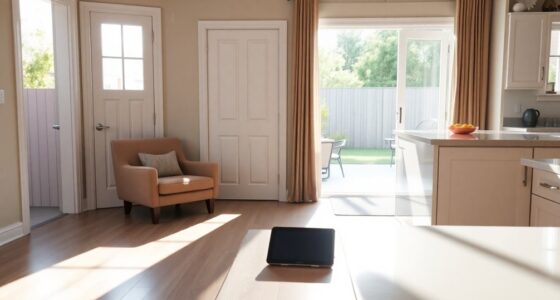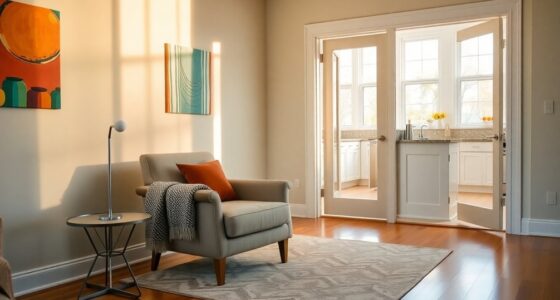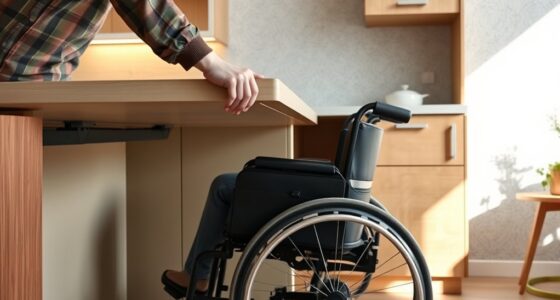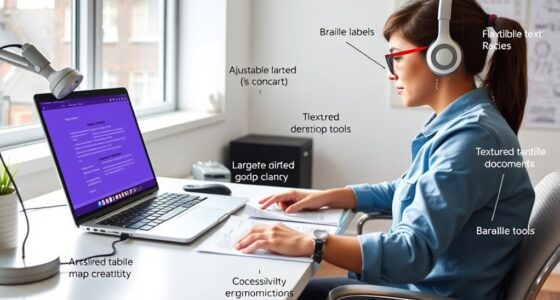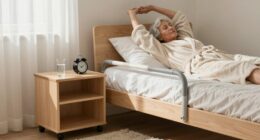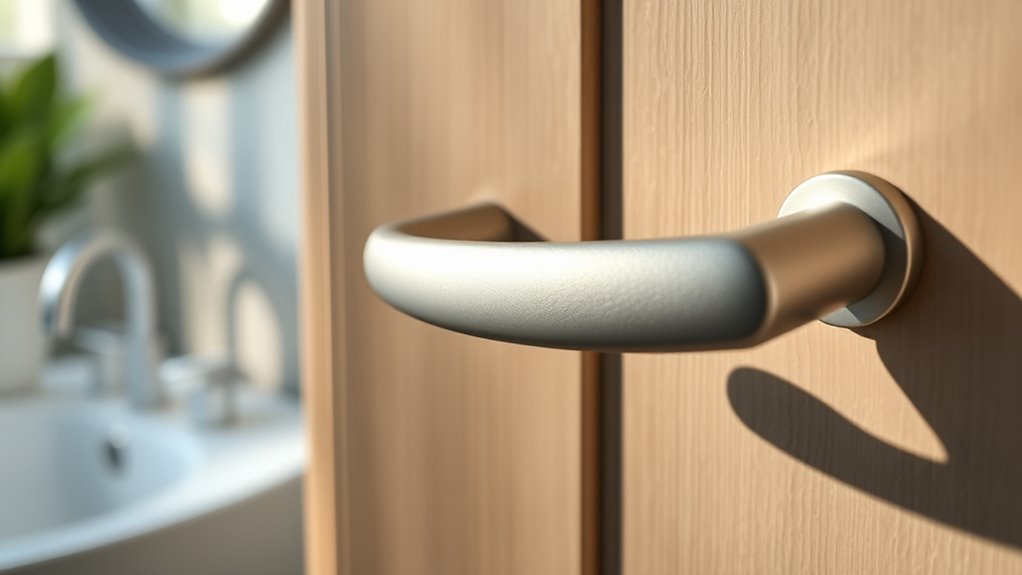

To improve accessibility, consider installing easy grasp fixtures like lever handles and senior-friendly designs. These features make it easier to operate faucets, doors, and switches without requiring excessive strength or dexterity. Bright colors and textured surfaces help those with limited vision or mobility identify controls quickly. Small adjustments can greatly increase safety and independence. Keep exploring how these simple upgrades can transform your environment into a more inclusive space for everyone.
Key Takeaways
- Lever handles are designed for easy push or pull motion, reducing grip strength requirements for seniors.
- Bright, contrasting colors and textured surfaces improve visual and tactile identification of fixtures.
- Fixtures like touch-activated faucets and adjustable-height options enhance usability and independence.
- Incorporating ergonomic design minimizes effort and joint strain during operation.
- Compatibility with assistive technologies promotes inclusive, safe, and accessible environments for all users.

Have you ever wondered how technology can become more inclusive? When it comes to making everyday environments accessible, small changes can make a significant difference, especially for seniors or those with limited strength or dexterity. One of the most effective ways to enhance accessibility is through the use of easy grasp fixtures, like lever handles and other senior-friendly fixtures. These devices are designed with simplicity and comfort in mind, allowing users to operate doors, faucets, and appliances without unnecessary strain or frustration.
Visual cues play a vital role in making these fixtures more accessible. Bright, contrasting colors or textured surfaces help users quickly identify the handles they need to turn or pull. For someone with limited vision or cognitive challenges, clear visual cues provide critical guidance, reducing confusion and increasing confidence in performing everyday tasks. Combining these cues with ergonomic design ensures that the fixtures are not only easy to see but also comfortable to use. Ergonomic design takes into account the natural grip and range of motion of the hand, making sure that the handles require minimal effort to operate. This means less strain on joints and muscles, which is especially important for seniors or individuals with arthritis.
Lever handles are a prime example of ergonomic fixtures that incorporate visual cues effectively. Unlike traditional doorknobs, lever handles require a simple push or pull motion, which can be done with a closed fist or even an elbow if needed. Their design reduces the need for tight gripping, making opening doors or turning faucets effortless. When these handles are equipped with contrasting colors or tactile indicators, they become even easier to locate and operate, creating a seamless experience for users of all abilities.
In addition to lever handles, other senior-friendly fixtures include pull-down or touch-activated faucets, lever-style light switches, and adjustable-height fixtures. All of these are designed with accessibility in mind, emphasizing ease of use and safety. Incorporating visual cues into their design doesn’t just help with functionality; it also promotes independence. You want environments where users don’t have to struggle to find or operate fixtures, enabling them to maintain autonomy in their daily routines.
Furthermore, many of these fixtures are now compatible with modern assistive technologies, amplifying their accessibility benefits. Ultimately, the goal is to create spaces that are welcoming and accessible for everyone. By focusing on visual cues and ergonomic design, you ensure that fixtures serve all users comfortably and confidently. Small enhancements like these foster independence, reduce frustration, and help build inclusive environments where everyone feels empowered to navigate their surroundings with ease.
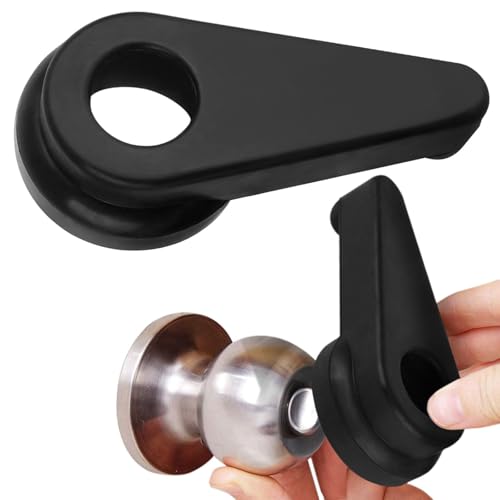
Impresa Door Knob Extension 2-Pack – Soft Black Rubber Compatible Only with 2"-2.5" Ball-Shaped Doorknobs – Slip-Resistant Grip & Easy Install – Adaptive Door Turner & Handle Gripper
Adaptable Doorknob Solution: Convert standard 2"–2.5" units, only compatible with ball-shaped doorknobs, to work as easy-to-grip handles, promoting…
As an affiliate, we earn on qualifying purchases.
As an affiliate, we earn on qualifying purchases.
Frequently Asked Questions
How Do Lever Handles Differ From Traditional Doorknobs?
Lever handles differ from traditional doorknobs by providing an ergonomic grip that’s easier to operate. You simply push or pull the lever, making the action more intuitive and requiring less strength. Doorknobs often need a twisting motion, which can be difficult for some people. With lever handles, you get smooth, straightforward operation, ideal for seniors or anyone with limited hand strength, enhancing overall accessibility and convenience.
Are Senior-Friendly Fixtures Cost-Effective for Home Upgrades?
Upgrading your home with senior-friendly fixtures can feel like a game-changer, saving you countless struggles daily. These fixtures are often surprisingly cost-effective when you compare the initial cost to the benefits of increased safety and independence. The installation process is usually straightforward and quick, making it a smart investment. Over time, the convenience and peace of mind they provide far outweigh the small upfront costs, making them well worth it.
Can Lever Handles Be Installed on Existing Doors Easily?
You can typically install lever handles on existing doors easily, but you might need door frame modifications depending on the current hardware. The process involves removing the old doorknob and choosing the right lever handle types suited for your door. Most lever handle types are designed for straightforward installation, making it a manageable DIY project or quick professional upgrade, ensuring better accessibility without extensive renovations.
What Maintenance Do Accessibility Fixtures Require Over Time?
You’ll want to keep your accessibility fixtures in good shape by following regular cleaning routines to prevent dirt buildup. Check for signs of wear or damage and replace fixtures when they become loose or worn out. Typically, replacement frequency depends on usage and quality, but generally, you should examine these fixtures every few years to ensure they remain functional and safe for everyone.
Are There Design Options to Match Various Home Aesthetics?
You might think accessibility fixtures clash with home aesthetics, but research shows many designs now blend seamlessly. Customizable styles and decorative finishes allow you to match fixtures to your decor, from modern to traditional. Whether you prefer sleek, minimalist levers or ornate handles, you can find options that enhance functionality without sacrificing style. With a variety of finishes and designs, you can create an accessible space that feels like a natural part of your home.
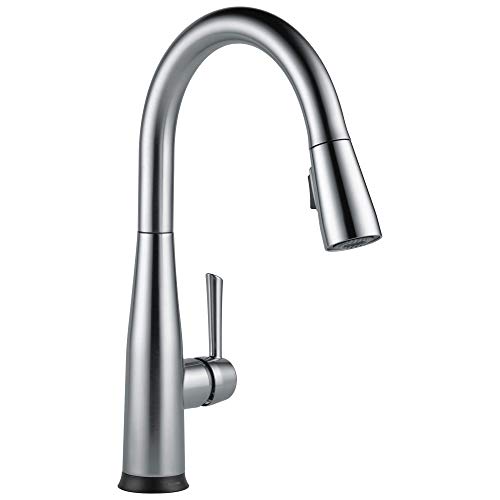
Delta Essa Brushed Nickel Touch Kitchen Faucet with Pull Down Sprayer, Modern Single Hole Touch On Kitchen Sink Faucet, Single Handle, Arctic Stainless 9113T-AR-DST
TOUCH ON. TOUCH OFF. Messy hands? Touch anywhere on the kitchen spout with your wrist or forearm to…
As an affiliate, we earn on qualifying purchases.
As an affiliate, we earn on qualifying purchases.
Conclusion
Making your home senior-friendly is like opening a door to newfound independence. When my neighbor installed lever handles, she told me it felt like unfastening a whole new level of ease. Studies show that simple upgrades can boost confidence and safety. Just as a sturdy handle turns a door effortlessly, these fixtures turn everyday tasks into moments of comfort. Embrace these enhancements, and watch your space transform into a welcoming haven where everyone can move freely and confidently.

Leviton 20 Amp, 120 Volt, Decora Plus Rocker Pilot Light, Illuminated On, Req. Neutral Single-Pole AC Quiet Switch, Commercial Grade, Self Grounding, 5628-2W, White
WH SW DEC SP PILOT LITE 20A120VAC
As an affiliate, we earn on qualifying purchases.
As an affiliate, we earn on qualifying purchases.
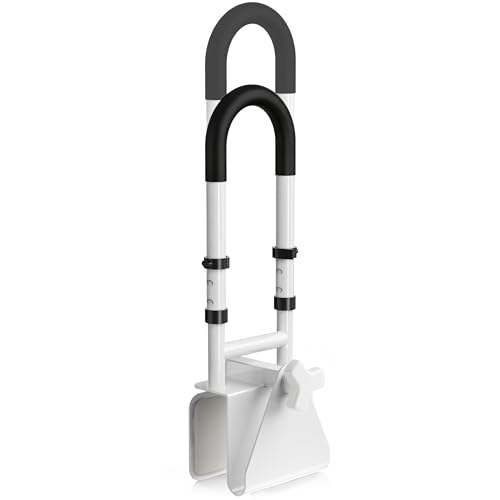
Adjustable Bathtub Safety Rail, Bathtub Handle Grab Bar with Non-Slip Grip for Seniors, Elderly, Fits 3.1 to 6.7 Inch Tub Walls, Supports 300 lbs
Confirm Before Purchase:Check if the edge of your bathtub is smooth and flat. The clamp must be secured…
As an affiliate, we earn on qualifying purchases.
As an affiliate, we earn on qualifying purchases.