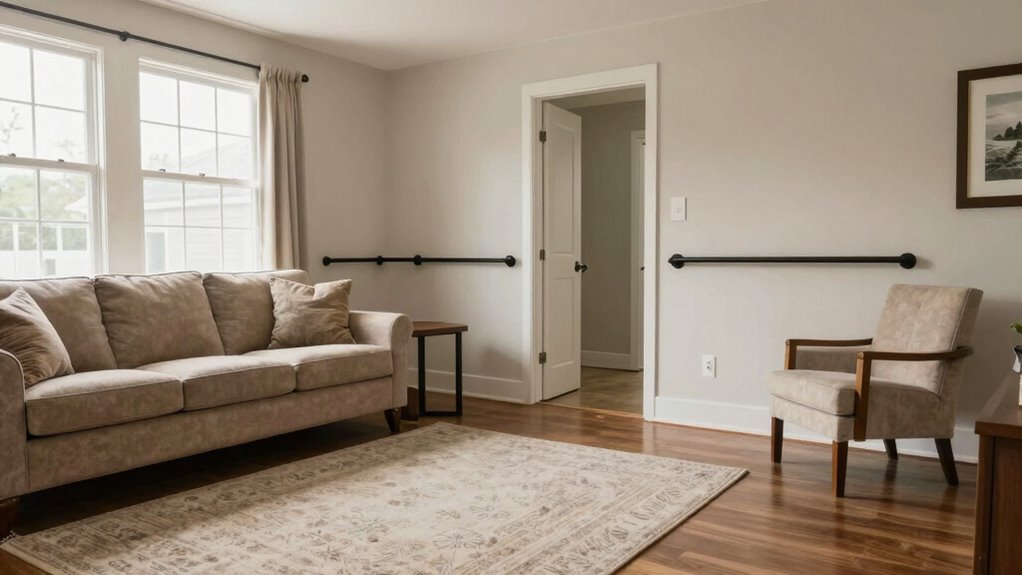

To prepare your home for aging in place, start by removing clutter from walkways and ensuring those paths are clear of cords, loose rugs, and small obstacles like pet toys. Secure or eliminate loose furniture and address uneven flooring or loose tiles at entry points. Keep high shelves within easy reach and install sturdy handrails on stairs. Removing these hazards first helps create a safer, more accessible environment. Keep exploring to discover even more ways to make your home safer.

Get the little things that make your day delivered free — and shop member deals
- Fast, free delivery on millions of items
- Access to Prime Big Deal Days deals on October 6–7
- Prime Video, Amazon Music and more included
Key Takeaways
- Remove cluttered walkways and loose rugs to prevent trips and falls.
- Secure or eliminate cords and wires blocking pathways.
- Clear stairs of objects and install handrails for added safety.
- Remove or secure unstable furniture or items that could tip or shift.
- Declutter narrow hallways and entryways to improve mobility and accessibility.
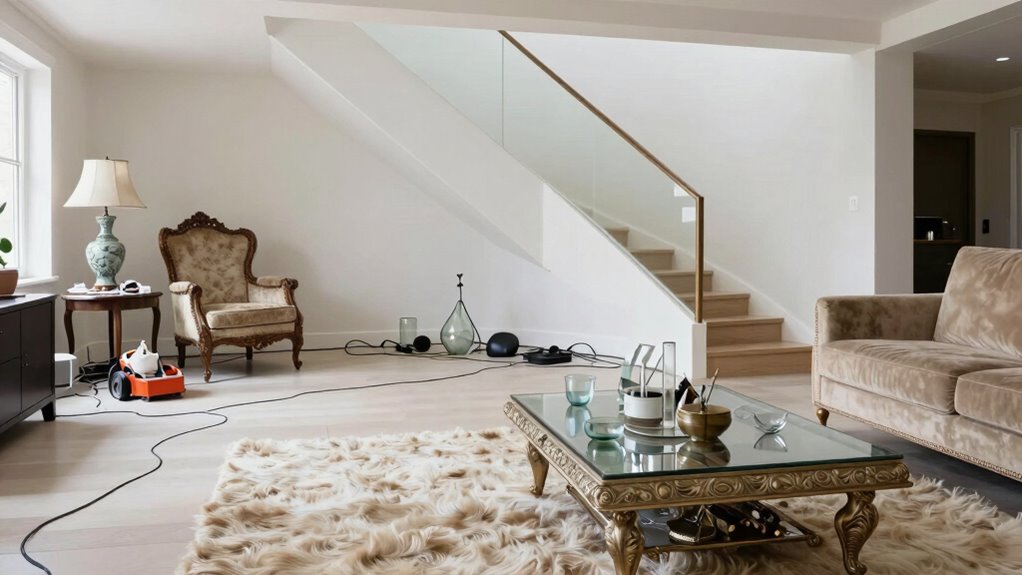
Preparing your home for aging in place means making smart, strategic changes—starting with what poses the most safety risks. The first step is to identify hazards that could cause falls or injuries, especially those that threaten your home safety. Cluttered walkways, loose rugs, and unstable furniture are common culprits. These obstacles can make steering through your home risky, particularly if your mobility declines or if you rely on mobility aids like walkers or canes. Removing or securing loose rugs, installing non-slip mats, and ensuring clear pathways are simple yet effective ways to make your environment safer.
Identify and remove hazards like clutter and loose rugs to prevent falls and enhance home safety for aging in place.
Next, consider the placement and accessibility of essential items. If you have high shelves or deep cabinets, reaching for items could become dangerous. Reorganize your kitchen and bathroom so that frequently used items are within easy reach—ideally at waist level—to reduce strain and prevent accidents. This small change substantially enhances home safety and helps you avoid overexertion, which can lead to falls or injuries. Keep pathways well-lit and free of cords or other tripping hazards, especially in areas where you might use mobility aids.
Removing obstacles from your floors is critical. Items like small furniture pieces, stacks of boxes, or pet toys can easily trip you up. Even a slight misstep can result in falls, which are a leading cause of injury among older adults. Make it a habit to keep floors clear and tidy. If you’re considering mobility aids, verify there’s enough space to maneuver comfortably around furniture and doorways. Narrow hallways or cluttered rooms hinder movement and increase the risk of falls, so declutter and reorganize to create open, accessible spaces.
Finally, look at your stairways and thresholds. If you have stairs, removing unnecessary items from the steps and installing handrails can prevent accidents. In some cases, removing or replacing stairs with ramps might be a safer choice, especially if mobility aids are part of your plan. Thresholds between rooms should be smooth and level, avoiding tripping hazards. If you notice uneven flooring or loose tiles, address those immediately. Additionally, understanding the importance of projector technology can help create a comfortable and accessible home environment, especially for entertainment and relaxation. Incorporating home modification strategies can further enhance safety and ease of movement throughout your living space.
As an affiliate, we earn on qualifying purchases.
Frequently Asked Questions
How Can I Identify Hidden Hazards in My Home?
To identify hidden hazards in your home, conduct a thorough safety inspection. Look for loose rugs, cluttered walkways, and poor lighting that can cause falls. Check for exposed wiring or slippery surfaces that pose safety concerns. Use a mirror to see under furniture and behind appliances. Ask a friend or professional for a second opinion. Regularly reassess your space to spot new hazards and guarantee your home remains safe as you age in place.
Are There Specific Tools to Assess Safety Risks?
Sure, there are specific tools for evaluating safety risks, like detailed safety checklists and assistive devices. Ironically, these simple tools often reveal hazards you’d miss otherwise. Safety checklists guide you step-by-step through your home, highlighting potential dangers. Assistive devices, such as grab bars or ramps, not only improve safety but also serve as practical assessments—if they fit seamlessly, your home’s risk level drops. Use these tools regularly for peace of mind.
How Often Should I Re-Evaluate My Home for Aging Safety?
You should re-evaluate your home for aging safety at least every six months, especially as your needs change. Regular checks help you identify hazards like outdated home technology or potential emergency preparedness issues. Stay proactive by updating safety features, ensuring that assistive devices work properly, and making adjustments to keep your environment secure. Routine assessments help maintain a safe, accessible space that adapts to your evolving needs.
What Are Cost-Effective Ways to Modify My Home?
Did you know that small home renovations can reduce fall-related injuries by up to 50%? To modify your home cost-effectively, focus on budget planning for simple updates like installing grab bars, improving lighting, and removing tripping hazards. These changes don’t require major renovations, making them affordable and quick. By prioritizing safety upgrades, you create a more secure environment without breaking the bank.
Who Can Help With a Safety Home Assessment?
You can find help with a safety home assessment through occupational therapists, aging-in-place specialists, or local home modification agencies. They evaluate your space, recommend assistive technology, and suggest safety improvements. They also advise on emergency preparedness strategies, ensuring your home is safe and accessible. These professionals work with you to identify hazards, so you can age comfortably and confidently in your own home.
Conclusion
By removing hazards like loose rugs or clutter, you create a safer space for aging in place. For example, imagine Lisa, who cleared her walkways and installed grab bars; she now moves confidently around her home. Taking small steps to eliminate risks not only boosts safety but also preserves your independence. Start with simple changes today, and you’ll enjoy a more comfortable, secure environment tailored to your needs as you age.
NFL season / tailgating Picks
team gear
As an affiliate, we earn on qualifying purchases.