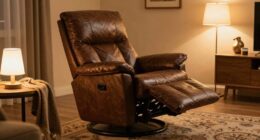
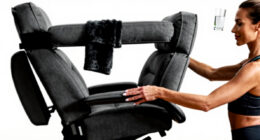
Adaptive furniture and fixtures are designed to support your mobility changes by combining ergonomic features and accessibility standards. They allow for easy adjustments, like height customization and accessible controls, helping you stay independent and comfortable. Features such as grab bars, low-clearance desks, and contoured seats promote safety and reduce strain. By integrating these elements, you create inclusive spaces that enhance daily life. Keep exploring to discover how these adaptations can best meet your needs.
Key Takeaways
- Adaptive furniture features adjustable components to accommodate various mobility needs and promote independence.
- Fixtures like grab bars and lever handles enhance safety and ease of use for users with limited dexterity.
- Compliance with accessibility standards ensures furniture supports safe maneuvering and functional use for all individuals.
- Ergonomically designed elements improve posture, reduce strain, and prevent injuries during daily activities.
- Inclusive furniture facilitates seamless integration into diverse environments, promoting mobility and active participation.
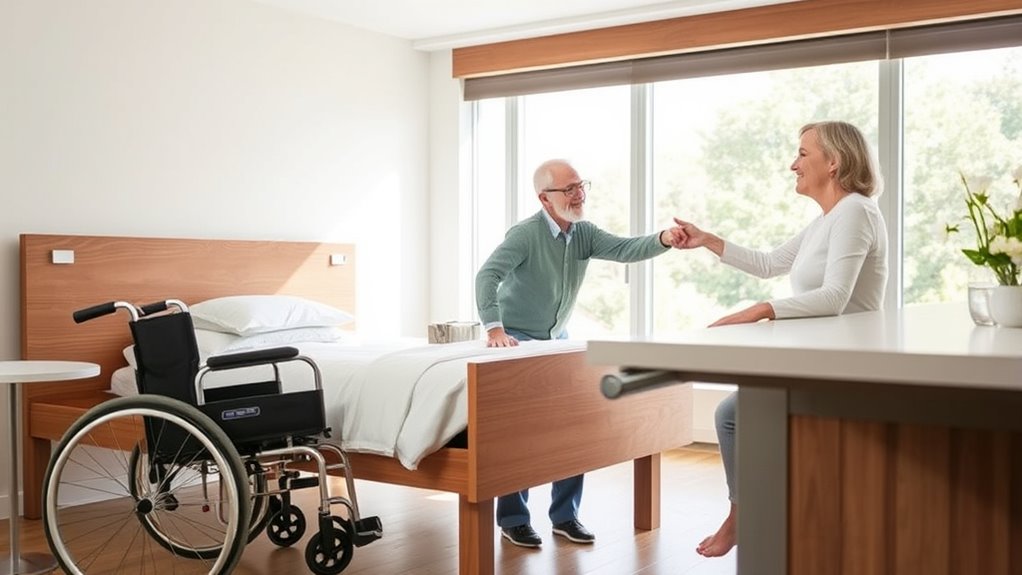
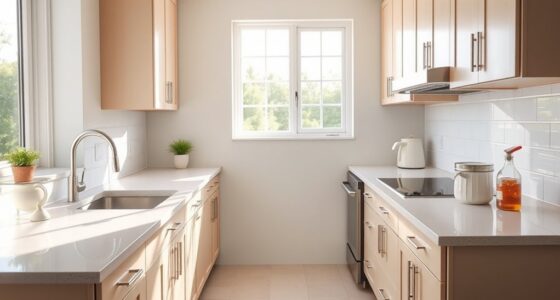
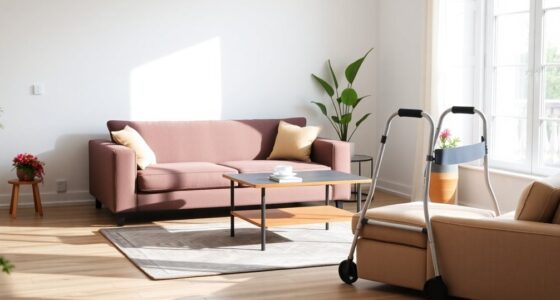
Adaptive furniture and fixtures are designed to meet the diverse needs of individuals with varying abilities, guaranteeing everyone can access and use their environment comfortably. When considering such solutions, ergonomic design plays a vital role. You want furniture that not only fits your physical needs but also promotes good posture, reduces strain, and enhances overall comfort. For example, adjustable height desks and chairs allow you to customize your workspace, minimizing discomfort and preventing repetitive strain injuries. By prioritizing ergonomic principles, manufacturers create pieces that support your body’s natural movements, making daily activities easier and less tiring. Additionally, incorporating elements like accessible controls ensures that furniture accommodates users with different levels of dexterity, further promoting inclusivity. Accessibility standards are equally important in the development and implementation of adaptive furniture and fixtures. These standards serve as a guideline to assure that environments are inclusive and usable by people with a wide range of abilities. When selecting furniture, you should look for features that meet or exceed local accessibility standards, such as low-clearance desks for wheelchair users or lever handles instead of knobs for easier operation. These standards help make certain that your space accommodates your needs without requiring extensive modifications or specialized equipment. They also promote independence, allowing you to perform tasks with minimal assistance. Designing with accessibility standards in mind means paying attention to details like clear space for maneuvering, reachable controls, and comfortable seating height. For instance, a kitchen counter that’s adjustable or mounted at an accessible height ensures you can cook and prepare food safely and comfortably. Similarly, fixtures like grab bars and handrails are installed according to specific height and placement guidelines, providing support where you need it most. When furniture adheres to these standards, it reduces barriers and fosters a more inclusive environment for everyone, regardless of mobility or sensory limitations. You’ll find that adaptive furniture often incorporates features driven by ergonomic design principles, such as contoured seats or armrests that provide additional support. These features not only enhance comfort but also help prevent injuries caused by improper positioning. Accessibility standards influence the overall layout and functionality, making sure that furniture becomes an integral part of a space that promotes independence and safety. Whether you’re at home, in the workplace, or a public space, choosing furniture that aligns with ergonomic and accessibility standards makes a tangible difference in your daily life.
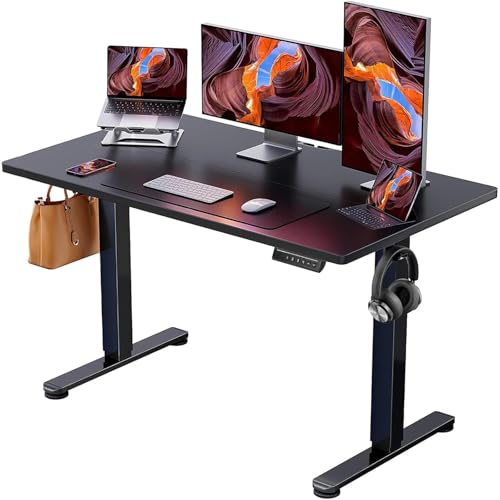
ErGear Height Adjustable Electric Standing Desk, 48 x 24 Inches Sit Stand up Desk, Memory Computer Home Office Desk, Black
Electric Height Adjustable Standing Desk for Comfortable Work – Switch effortlessly between sitting and standing with this electric…
As an affiliate, we earn on qualifying purchases.
As an affiliate, we earn on qualifying purchases.
Frequently Asked Questions
How Do Adaptive Fixtures Accommodate Different Types of Disabilities?
Adaptive fixtures accommodate different disabilities by embracing Universal Design principles, making spaces accessible for everyone. You’ll find features like adjustable heights, easy-to-use controls, and ergonomic support that cater to diverse needs. Assistive Technology integrates seamlessly with these fixtures, enhancing independence. By focusing on flexibility and inclusivity, you guarantee that people with various disabilities can navigate and use their environment comfortably and effectively.
What Maintenance Is Required for Adaptive Furniture?
You should regularly follow cleaning protocols tailored to the material durability of your adaptive furniture. Use appropriate cleaning solutions to prevent damage and maintain hygiene. Check for loose bolts or worn parts and tighten or replace them as needed. Routine inspections help identify issues early, ensuring the furniture remains safe and functional. Proper maintenance extends the lifespan of your adaptive fixtures and keeps them in ideal condition for supporting mobility.
Are Adaptive Fixtures Customizable for Individual Needs?
You might think adaptive fixtures are one-size-fits-all, but they actually offer impressive personalization options and design flexibility. Many fixtures are customizable to meet your unique needs, allowing you to choose features like height adjustments, controls, and finishes. This guarantees you get a perfect fit for your mobility requirements, improving comfort and safety. So, yes, adaptive fixtures are highly adaptable, making them ideal for tailoring your environment to your specific needs.
How Cost-Effective Are Adaptive Furniture Solutions?
Adaptive furniture solutions are generally cost-effective when you do a thorough cost analysis and plan your budget carefully. While the initial investment might seem high, they often reduce long-term healthcare costs and improve daily comfort. By evaluating your needs and comparing options, you can find solutions that fit your budget, ensuring you get the most value without overspending. Proper budget planning helps maximize benefits and minimize unexpected expenses.
What Are the Latest Technological Advancements in Adaptive Fixtures?
You’re right on the cutting edge when it comes to adaptive fixtures. The latest advancements include smart materials that respond to your needs and automation integration for seamless control. These innovations make fixtures more intuitive and adaptable, turning a complex task into a walk in the park. As technology evolves, you’ll find these fixtures becoming smarter, more flexible, and better suited to support your mobility changes effortlessly.

Moen Home Care Bathroom Safety 24 Inch Stainless Steel Handicap Grab Bar for Bathtub and Shower, Heavy Duty Handle, Elderly Assistance Product with Concealed Screws, 8724
DURABLE & SUPPORTIVE CONSTRUCTION: 24-inch long stainless steel grab bar with 1.25 inch diameter; supports up to 500…
As an affiliate, we earn on qualifying purchases.
As an affiliate, we earn on qualifying purchases.
Conclusion
As you embrace adaptive furniture and fixtures, you shape your environment to better support your mobility journey. These solutions act as sturdy bridges over obstacles, turning challenges into opportunities for independence. By customizing your space, you take control, transforming your home into a sanctuary that moves with you. Remember, with the right adaptations, you’re steering your life forward—navigating change with confidence and grace, like a boat sailing smoothly through shifting tides.
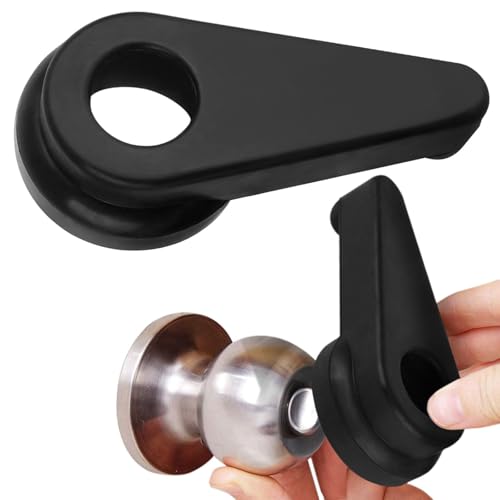
Impresa Door Knob Extension 2-Pack – Soft Black Rubber Compatible Only with 2"-2.5" Ball-Shaped Doorknobs – Slip-Resistant Grip & Easy Install – Adaptive Door Turner & Handle Gripper
Adaptable Doorknob Solution: Convert standard 2"–2.5" units, only compatible with ball-shaped doorknobs, to work as easy-to-grip handles, promoting…
As an affiliate, we earn on qualifying purchases.
As an affiliate, we earn on qualifying purchases.
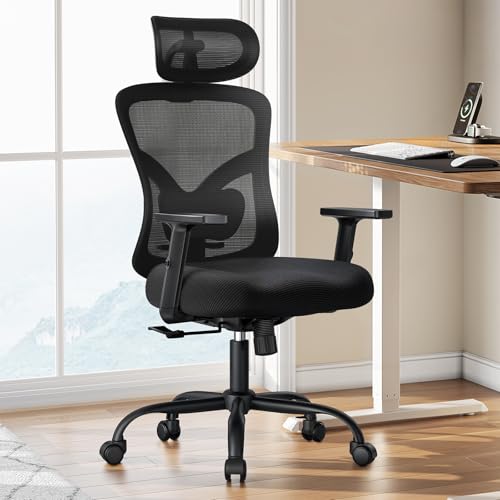
Marsail Ergonomic Office Chair Ergonomic Gaming Chair with Lumbar Support, 2D Headrest, Adjustable Armrests, Contoured Seat Cushion, Computer Desk Chair with Wheels for Home and Office
Adjustable Lumbar Support: This ergonomic office chair is designed to align with the natural curve of your spine….
As an affiliate, we earn on qualifying purchases.
As an affiliate, we earn on qualifying purchases.