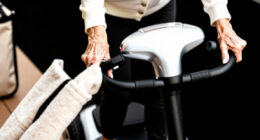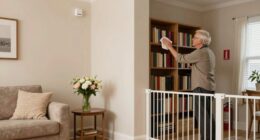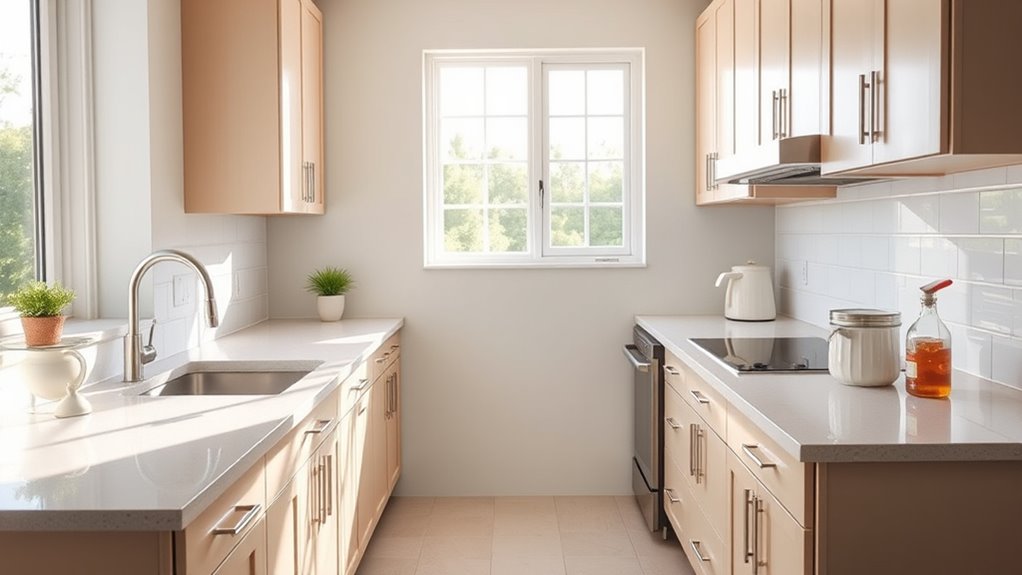

To create an age-friendly kitchen, focus on ergonomic tools that reduce strain, like non-slip grips and lightweight handles. Reorganize storage with pull-out shelves and clear labels for easy access, and adjust counter heights for comfort. Make certain pathways are clutter-free and install slip-resistant flooring to prevent falls. Lever handles on doors and faucets make tasks easier, boosting safety and independence. Keep exploring for more ideas to transform your kitchen into a safer, more comfortable space.
Key Takeaways
- Incorporate ergonomic tools with non-slip grips and lightweight handles to reduce fatigue and improve control during kitchen tasks.
- Utilize accessible storage solutions like pull-out shelves and clear containers for easier item retrieval and organization.
- Install lever-style handles and set countertop heights around waist level to enhance safety and reduce strain.
- Keep pathways clutter-free and use slip-resistant flooring to prevent falls and ensure a safe environment.
- Focus on design features that promote independence and confidence, making the kitchen safer, more comfortable, and enjoyable to use.
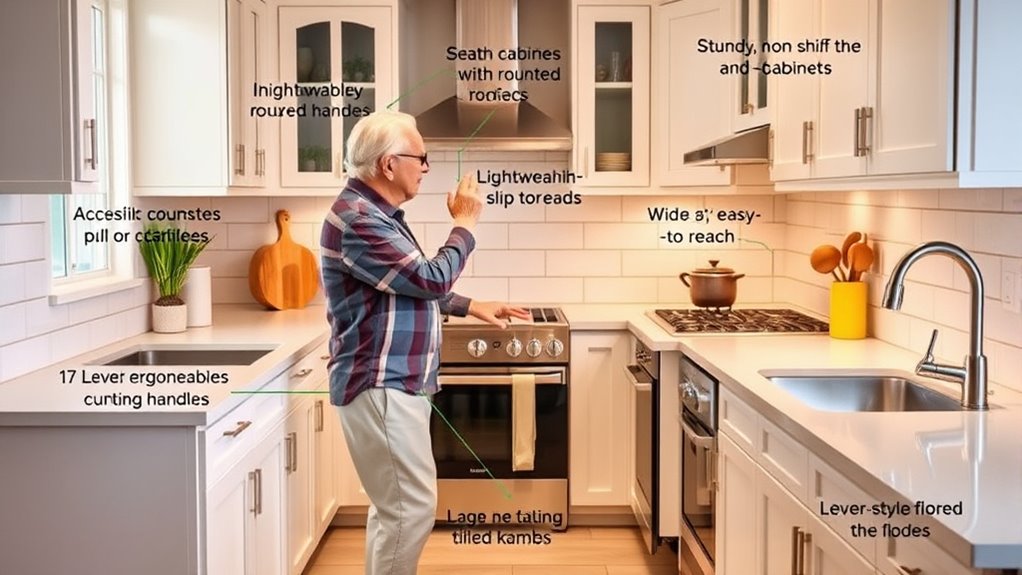
Updating your kitchen to be senior-friendly can make daily cooking safer and more enjoyable. When you focus on ergonomic tools and accessible storage, you create a space that caters to your needs, reducing strain and minimizing the risk of accidents. Ergonomic tools are designed to fit comfortably in your hand, making tasks like chopping, stirring, or opening jars less tiring. Look for utensils with non-slip grips, lightweight handles, and bend-resistant features, which can greatly improve your comfort and control. Investing in these tools means you won’t have to struggle with excessive force or awkward movements, helping you maintain independence in your daily routines.
Ergonomic tools reduce strain and enhance safety in your senior-friendly kitchen.
Accessible storage is another vital element in a senior-friendly kitchen. Traditional cabinets and drawers can be hard to reach, especially if mobility or flexibility is limited. Reorganizing your space to include pull-out shelves, lazy Susans, and lower cabinets makes it easier to access everything without bending or stretching too much. Store frequently used items at waist level so you don’t have to climb or bend down repeatedly. Clear, labeled containers can also help you quickly find what you need, saving time and reducing frustration. Consider adding under-cabinet lighting to illuminate work surfaces, making it easier to see and reducing the risk of accidents.
When upgrading for accessibility, think about layout and safety as well. Keep pathways clear of clutter, and choose a flooring material that’s slip-resistant to prevent falls. Installing lever-style handles on doors and faucets can make opening them less strenuous, especially if grip strength is a concern. Additionally, ensure that your counters are at a comfortable height—around waist level—so you don’t have to lift your arms too high or bend too low while preparing meals. These small adjustments can profoundly improve your comfort and safety.
Incorporating ergonomic tools and accessible storage isn’t just about convenience; it’s about creating a space that promotes your independence and confidence. As you make these upgrades, you’ll find cooking becomes less of a chore and more of a pleasure. You’ll be able to move around the kitchen with ease, reach everything you need without hassle, and handle tasks with less fatigue. The effort you put into designing a senior-friendly kitchen pays off by making your daily routines safer and more fulfilling. With thoughtful choices, your kitchen becomes a supportive environment tailored to your needs, allowing you to enjoy cooking and meal prep now and in the years to come. Incorporating shower upgrades or features can also contribute to a more accessible and comfortable home environment overall.
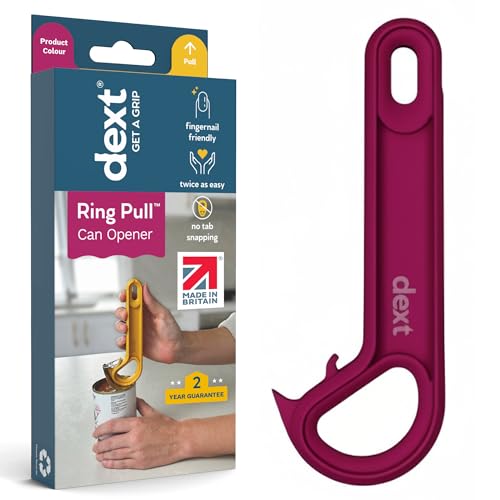
Dext – Ring Pull Can Opener, Pop Can Opener for Seniors, Arthritis, and Parkinson’s, Easy Open, Ergonomic Handle with Comfortable Grip. Perfect for Soda, Pet Food, and More (Mulberry)
ENHANCED EASE & CONTROL: With an easy open ring pull for a precise peel with a gentle touch,…
As an affiliate, we earn on qualifying purchases.
As an affiliate, we earn on qualifying purchases.
Frequently Asked Questions
How Can I Assess My Kitchen’S Current Safety Risks?
To assess your kitchen’s safety risks, start by inspecting appliances for proper maintenance and ensuring cords are secure. Check that lighting improvements are in place, especially in work areas, to prevent falls. Look for loose rugs or clutter that could cause trips. Test smoke and carbon monoxide detectors. Simplify your space by adjusting storage and keeping frequently used items within easy reach. Regular checks like these help create a safer kitchen environment.
What Are Cost-Effective Upgrades for Small Kitchens?
To find cost-effective upgrades for your small kitchen, focus on essential improvements like appliance maintenance to guarantee safety and efficiency. Opt for affordable lighting solutions, such as under-cabinet or LED lights, to brighten your space and reduce accidents. You can also reconfigure storage to maximize space and accessibility. These upgrades improve functionality without breaking the bank, making your kitchen safer and more practical for everyday use.
Are There Any Specific Brands Recommended for Senior-Friendly Appliances?
When choosing senior-friendly appliances, focus on brand recommendations known for safety and ease of use. Look for appliances with features like large, clear controls, automatic shutoff, and ergonomic handles. Brands like Whirlpool, Frigidaire, and LG often receive praise for their user-friendly designs and reliable performance. You’ll want to prioritize appliances that promote safety and convenience, making your kitchen more accessible and comfortable for everyday use.
How Do I Plan for Future Mobility or Health Changes?
A stitch in time saves nine, so plan ahead for future mobility or health changes. You should incorporate adaptive technology, like adjustable countertops and easy-to-reach storage, to make your kitchen versatile. Also, guarantee emergency preparedness by installing safety features such as grab bars and accessible exits. Thinking ahead now helps you stay independent longer and makes your kitchen safer, no matter what the future holds.
Can These Upgrades Be Easily Reversed or Modified Later?
You wonder if these kitchen upgrades can be reversed or modified later. With removable fixtures and adjustable features, you can easily adapt your kitchen as your needs change. These options allow you to make temporary or permanent adjustments without extensive remodeling. This flexibility guarantees your kitchen remains functional and safe, no matter how your mobility or health evolve, giving you peace of mind for the future.
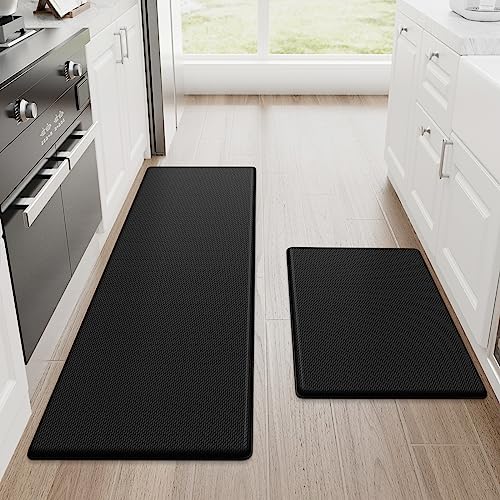
StepRite Kitchen Mats, 2PCS Kitchen Rugs, Cushioned Anti Fatigue Kitchen Mats for Floor, Non-Slip Standing Desk Mat, Waterproof Kitchen Rug Set for Kitchen, Floor, Office, 17.3"x30"+17.3"x47", Black
Anti-Fatigue Comfort: StepRite 0.4 inch thick kitchen mat offers supportive cushioning that eases strain on your feet and…
As an affiliate, we earn on qualifying purchases.
As an affiliate, we earn on qualifying purchases.
Conclusion
So, while you’re busy making your kitchen safer and more accessible, you might just find yourself enjoying it more than ever—who would’ve thought that aging gracefully could start right where you cook? Irony’s sweet, isn’t it? Upgrading your kitchen for comfort and safety might just turn you into the most enthusiastic chef your family’s ever seen. After all, it’s not just about aging; it’s about aging well—one smart upgrade at a time.

Seinloes 2Pack Expandable Pull Out Cabinet Organizer 21"Deep With Raising Pad for Framed Cabinets, Upgrade 3 Slide Rails Slide Out Drawers, Roll Out Shelves Adhesive,Adjustable Width 12.05"-20.4"White
Raising Pads For Framed Cabinets:Equipped with innovative raising pads, this pull out cabinet organizer ensures compatibility with both…
As an affiliate, we earn on qualifying purchases.
As an affiliate, we earn on qualifying purchases.
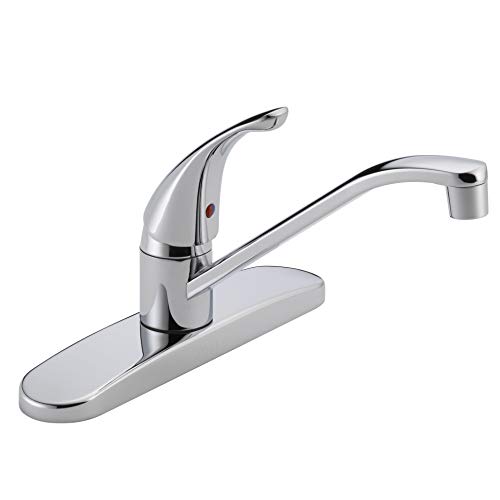
Peerless Single-Handle Kitchen Sink Faucet, Chrome P110LF
LIFETIME LIMITED WARRANTY: You can install with confidence, knowing Peerless kitchen faucets are backed by the Peerless Lifetime…
As an affiliate, we earn on qualifying purchases.
As an affiliate, we earn on qualifying purchases.