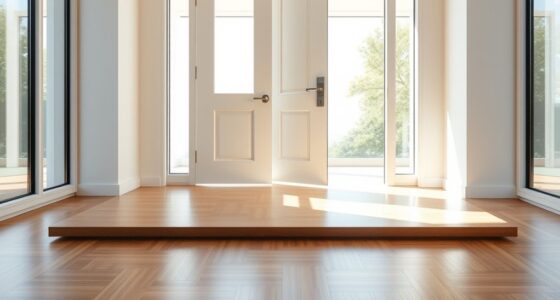
Choosing the right slip-resistant flooring depends on your environment and safety needs. Select materials like rubber, textured vinyl, or epoxy coatings that feature textured surfaces or specialized coatings for better grip, especially in moisture-prone areas. Guarantee proper installation and regular maintenance to keep surfaces slip-free. Considering factors like durability, chemical resistance, and visibility will help you make the best choice. To learn more about ideal flooring options and safety tips, keep exploring your options.
Key Takeaways
- Choose flooring materials like rubber, textured vinyl, or epoxy coatings designed for slip resistance in your environment.
- Ensure proper installation and regular maintenance to maintain surface grip and safety features over time.
- Consider environmental factors such as moisture, chemical exposure, and high traffic when selecting slip-resistant surfaces.
- Prioritize surfaces with embedded safety features and high contrast for better visibility and durability.
- Investing in slip-resistant flooring reduces accident risks, liabilities, and long-term maintenance costs, promoting safer spaces.
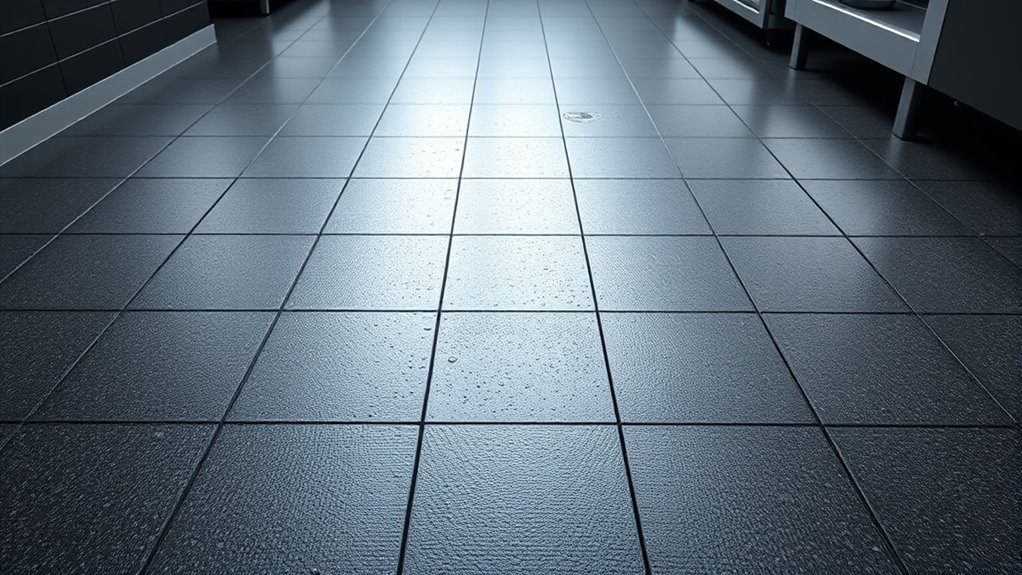
Slip-resistant flooring and safe surfaces are essential for preventing accidents and ensuring safety in both residential and commercial spaces. When you prioritize safety, you’re protecting people from falls, injuries, and potential liabilities. One of the key factors in achieving this safety is selecting the right flooring materials that offer excellent traction and durability. In industrial safety, flooring materials are designed to withstand heavy use, chemical exposure, and harsh conditions, making them a critical choice for workplaces like factories, warehouses, and workshops. These materials often feature textured surfaces or specialized coatings that provide grip even when wet or oily, reducing the risk of slips and falls.
Choosing the right flooring involves considering the specific environment and its hazards. For instance, areas prone to moisture, such as kitchens, bathrooms, or outdoor walkways, demand slip-resistant surfaces that prevent water or other liquids from becoming slip hazards. Rubber, textured vinyl, and epoxy coatings are popular options because they combine slip resistance with ease of maintenance. For industrial safety, you might opt for anti-slip tiles or specialized safety flooring that meets industry standards. These materials are designed to provide consistent traction and resist damage from foot traffic, equipment, or spills, ensuring long-term safety and performance.
Choose slip-resistant, durable flooring for moisture-prone areas to ensure safety and easy maintenance.
You also need to think about the installation process and ongoing maintenance. Proper installation of slip-resistant flooring is crucial to maximize its effectiveness. If the surface isn’t correctly laid or if the texture wears down over time, the safety benefits diminish. Regular cleaning and inspections help maintain the grip of these surfaces. For example, debris or buildup on textured flooring can reduce traction, so routine cleaning is vital. Choosing flooring with embedded safety features or coatings that resist wear and tear can prolong the lifespan of your surfaces, maintaining safety levels over time.
Furthermore, safety isn’t just about choosing the right materials; it’s also about understanding the environment and usage patterns. In high-traffic areas, you might need more robust flooring options that resist abrasion and maintain their slip-resistant qualities longer. In spaces with chemical exposure, selecting flooring that is resistant to corrosive substances while providing slip resistance is essential. Additionally, selecting materials with a high contrast ratio can improve visibility and reduce accidents in poorly lit environments. When you make informed decisions about flooring materials based on industrial safety standards, you create a safer environment that minimizes risks and promotes confidence for everyone using the space.
Ultimately, investing in slip-resistant flooring and safe surfaces isn’t just a safety measure—it’s a proactive approach to risk management. By carefully selecting appropriate flooring materials and ensuring proper installation and maintenance, you markedly reduce the chance of accidents. This not only safeguards individuals but also helps prevent costly liabilities and downtime, making safety a smart, strategic choice for any space.

Ottomanson Heavy Duty Rubber Floor Mat – Non-Slip, Waterproof, Easy to Clean – Anti-Fatigue Mat for Commercial Kitchens, Restaurants, Workshops – Oil Resistant, Hose Washable – 24" x 36", Black
[PERFORATED DESIGN SUPPORTS DRAINAGE & LONG STANDING HOURS]: Open surface allows liquids to drain quickly and helps reduce…
As an affiliate, we earn on qualifying purchases.
As an affiliate, we earn on qualifying purchases.
Frequently Asked Questions
How Often Should Slip-Resistant Floors Be Inspected for Safety?
You should inspect slip-resistant floors at least monthly to guarantee safety. Regular inspection frequency helps you identify wear, damage, or hazards early. Conduct safety audits more frequently if the area experiences heavy foot traffic or spills. Keep a detailed log of inspections and maintenance. If you notice any issues, address them immediately to prevent accidents. Consistent inspections and safety audits are essential for maintaining peak slip resistance and protecting everyone who uses the space.
Are There Eco-Friendly Options for Slip-Resistant Flooring Materials?
You can choose eco-friendly slip-resistant flooring options that feature sustainable materials and biodegradable coatings, which blend safety with environmental care. Imagine walking on surfaces made from recycled rubber or cork, their textures providing grip while minimizing ecological impact. These options reduce waste and pollution, helping you create safer spaces without harming the planet. By selecting such materials, you guarantee durability, safety, and a commitment to sustainability in every step you take.
How Do Weather Conditions Affect Slip Resistance Over Time?
Weather conditions considerably impact slip resistance over time. You’ll notice that rain, snow, and freezing temperatures cause surface degradation, making floors more slippery. Moisture can wash away protective coatings, while ice and snow create hazardous patches. Sun exposure can also break down certain materials, reducing their effectiveness. To maintain safety, you should regularly inspect surfaces, apply protective treatments, and consider weather-resistant flooring options suited to your environment.
Can Slip-Resistant Surfaces Be Customized for Specific Industries?
Yes, slip-resistant surfaces can be customized for specific industries. You can choose industry-specific coatings that cater to your needs, providing tailored safety solutions. For example, food processing facilities might need antimicrobial coatings, while industrial sites require heavy-duty, chemical-resistant options. Customization ensures your flooring meets unique safety standards, improves durability, and reduces accidents. By working with suppliers offering customized safety solutions, you guarantee maximum slip resistance tailored precisely to your industry’s demands.
What Maintenance Practices Extend the Lifespan of Slip-Resistant Flooring?
Ironically, neglecting your slip-resistant flooring’s maintenance might make it last forever—if you want it to fail. To extend its lifespan, follow proper cleaning protocols that prevent buildup and damage. Regularly inspect and reapply coatings to boost durability. Keep the surface free of debris and moisture, and avoid harsh chemicals. With consistent care, your flooring stays effective and safe, saving you money and hassle in the long run.

Peel and Stick Floor Tile – 11.8" X 590" Vinyl Flooring Roll, Grey Wood Grain Textured with Waterproof, Slip-Resistant – for Bathroom, Rv
Durable & Warp-Free: Built to last with no deformation, perfect for vinyl flooring roll
As an affiliate, we earn on qualifying purchases.
As an affiliate, we earn on qualifying purchases.
Conclusion
Choosing the right slip-resistant flooring isn’t just about safety—it’s about preventing accidents before they happen. When you pick a surface that’s truly slip-resistant, you might find yourself unexpectedly avoiding a fall on a rainy day or a spilled drink. Sometimes, the safest choice feels like a small detail, but it can make all the difference. So, when you’re making your decision, remember: safety might just be the lucky coincidence that keeps you and your loved ones protected.

Rust-Oleum Anti-Skid Additive | Aluminum Oxide Formula | Adds Slip Resistance | Sand-Like Particles | 3.4 oz
ADDS SLIP RESISTANCE: Aluminum oxide–based additive designed to increase skid resistance when mixed into epoxy, latex, or oil‑based…
As an affiliate, we earn on qualifying purchases.
As an affiliate, we earn on qualifying purchases.
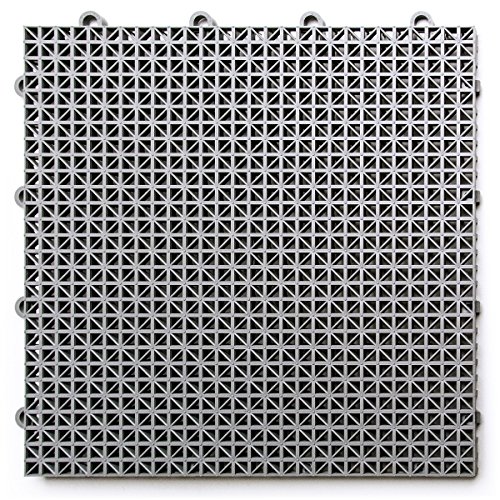
Big Floors DuraGrid Outdoor Modular Deck Tiles, Interlocking, Slip-Resistant, Self-Draining, Durable Plastic Flooring, Easy Install, UV & Water Resistant, Made in USA, 40 Pack, Gray
Perfect Resurfacing Solution – Cost-effective way to upgrade worn-out decks, patios, pools, gardens, basements, and mudrooms without repainting…
As an affiliate, we earn on qualifying purchases.
As an affiliate, we earn on qualifying purchases.