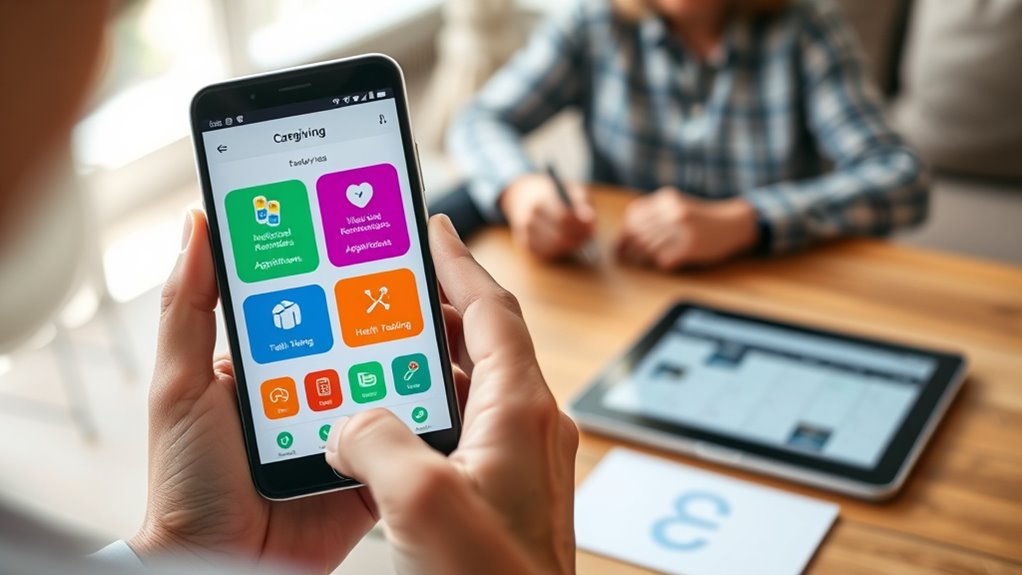

Discover a range of technology tools designed to simplify your caregiving tasks. Apps help you track medication schedules, appointments, and health progress, while wearable devices monitor essential signs and alert you to falls or abnormalities. Platforms enable easy communication with healthcare providers and loved ones, keeping everyone connected and informed. These tools can boost safety, reduce stress, and increase your confidence in caring for others. Keep exploring to find out how the right tech can make caregiving more manageable.
Key Takeaways
- Utilize remote monitoring devices to track vital signs, movement, and environmental conditions for real-time health insights.
- Implement medication management apps to set reminders, track adherence, and communicate with pharmacies easily.
- Use caregiving platforms that consolidate health data, enable virtual consultations, and streamline communication with healthcare providers.
- Leverage apps that facilitate connection with loved ones and caregivers, providing updates and emotional support.
- Stay informed about evolving caregiving technologies and resources to customize and enhance care strategies effectively.
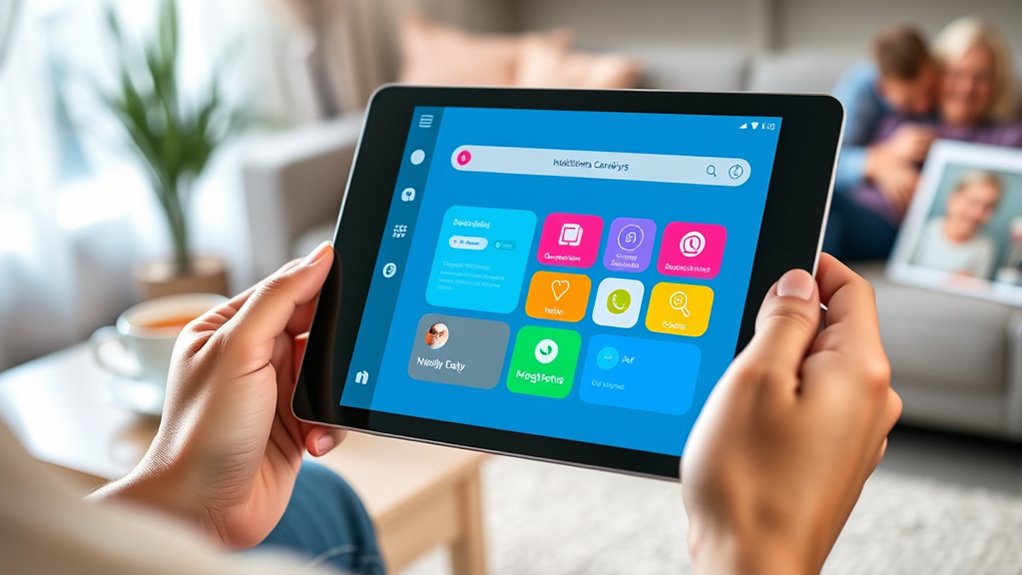
Caring for a loved one can be demanding, but technology has made it easier to stay organized, communicate effectively, and access essential resources. One of the most valuable tools at your disposal is remote monitoring, which allows you to keep an eye on your loved one’s health and safety from anywhere. With remote monitoring devices, you can track vital signs, movement, and even environmental conditions like temperature or humidity. These tools provide real-time data, giving you peace of mind and enabling you to respond quickly if something seems off. For instance, wearable sensors can alert you if your loved one falls or if their heart rate exceeds safe limits, reducing the need for constant physical checks. This technology not only enhances safety but also promotes independence, allowing your loved one to stay in their familiar environment while still being under your watchful eye.
Medication management is another essential area where technology makes a difference. Managing multiple medications can be confusing and overwhelming, especially if your loved one has complex health needs. Fortunately, numerous apps and platforms are designed to simplify this task. These tools can send timely reminders for medication schedules, ensure proper dosages, and even track adherence over time. Some platforms allow you to set up automatic refill alerts and provide detailed reports you can share with healthcare providers. This reduces the risk of missed doses or accidental overdoses, which can be dangerous. Additionally, many medication management apps have features that allow caregivers to communicate directly with pharmacies or healthcare providers, streamlining the entire process. Integrating these apps into your routine means you can stay organized, prevent medication errors, and ensure your loved one’s treatment plan stays on track. Moreover, understanding the importance of emotional support can help caregivers better address their loved ones’ psychological needs during challenging times.
Using these technology tools not only improves safety and health management but also helps you stay connected. Whether it’s through remote monitoring systems or medication management apps, you gain immediate access to vital information and updates, empowering you to make informed decisions quickly. They also foster better communication with healthcare professionals, who can access data remotely and provide guidance without the need for frequent visits. Overall, these tools reduce stress, save time, and give you confidence that your loved one is well cared for. As technology continues to evolve, staying informed about the latest apps and devices can help you maximize their benefits and tailor your caregiving approach to your loved one’s specific needs.
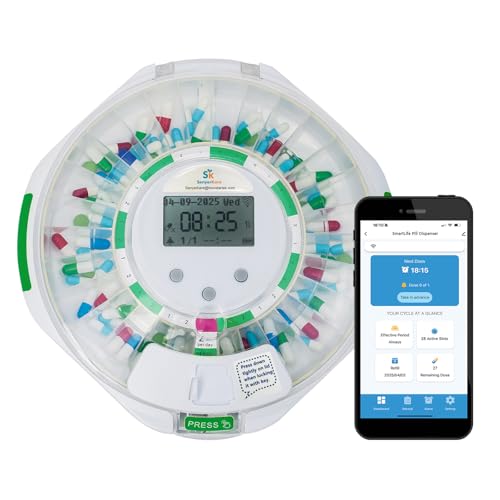
Senyerkare Smart WiFi Automatic Pill Dispenser w/Lock for Elderly, 28-Day Medication Organizer with Light/Sound & APP Alarm, up to 9 Alarms/Day, 9 Doses Per Day for Prescriptions & Vitamins, Clear Lid
【Peace of Mind for Seniors & Families】 Perfect for seniors living alone, Alzheimer’s or dementia patients, and those…
As an affiliate, we earn on qualifying purchases.
As an affiliate, we earn on qualifying purchases.
Frequently Asked Questions
How Can Caregivers Balance App Use With Personal Time?
To balance app use with personal time, set clear digital boundaries by designating specific times for checking care apps. Schedule regular tech detox periods where you disconnect completely, allowing yourself to recharge emotionally and physically. Limit notifications to avoid constant interruptions, and prioritize face-to-face interactions or relaxing activities. This approach helps you stay present, reduces stress, and guarantees your caregiving duties don’t overshadow your personal well-being.
Are These Tools Suitable for All Age Groups?
These tools can suit all age groups if you consider age appropriateness and tech literacy. Younger users often adapt quickly, while older caregivers might need simpler interfaces or tutorials. You should evaluate each app’s features and usability to guarantee it matches your or your loved one’s comfort level with technology. With the right choices, these tools can enhance care regardless of age, making management more efficient and less stressful.
What Are the Privacy Concerns With Caregiving Apps?
Think of caregiving apps as a vault for your loved one’s sensitive info. Your biggest privacy concerns revolve around data privacy and data security. If these apps don’t have strong safeguards, your personal and health data could be exposed or misused. Always check the app’s privacy policy, ensure it uses encryption, and choose trusted providers. Protecting sensitive info is like locking the door—necessary to keep unwanted visitors out.
How Do I Choose the Best App for Specific Needs?
To select the best app for your specific needs, start by evaluating personalization options that match your caregiving tasks. Consider compatibility considerations with your devices and existing systems to ensure seamless use. Look for features tailored to your situation, like medication reminders or communication tools. Read reviews and try demos if available. Prioritize apps that offer user-friendly interfaces and robust privacy protections to make caregiving easier and safer.
Are There Costs Associated With These Caregiving Platforms?
Think of caregiving platforms as a garden—some are free seeds, while others require a small investment to flourish. Yes, there are cost considerations, with many platforms offering free versions and optional subscriptions. Platform subscriptions often grant access to extra features, making care easier. Before choosing, weigh these costs against your needs, ensuring you invest wisely in tools that support your caregiving journey without overextending your resources.
remote health monitoring device for seniors
As an affiliate, we earn on qualifying purchases.
As an affiliate, we earn on qualifying purchases.
Conclusion
By embracing technology tools, you streamline your tasks, stay organized, and connect effortlessly. These apps and platforms empower you to manage appointments, track health, and coordinate care with confidence. With the right tools, you simplify challenges, enhance communication, and create a supportive network. Ultimately, technology helps you care better, stay resilient, and foster peace of mind—because when you leverage these tools effectively, you improve your care, your well-being, and your loved ones’ happiness.
fall detection wearable sensor
As an affiliate, we earn on qualifying purchases.
As an affiliate, we earn on qualifying purchases.
caregiver communication platform
As an affiliate, we earn on qualifying purchases.
As an affiliate, we earn on qualifying purchases.