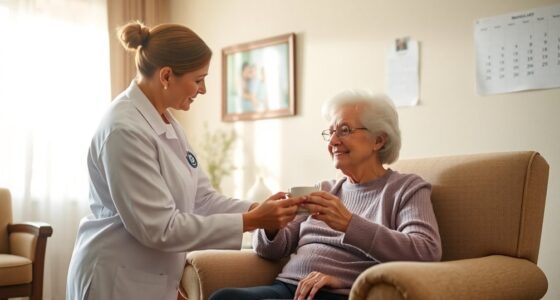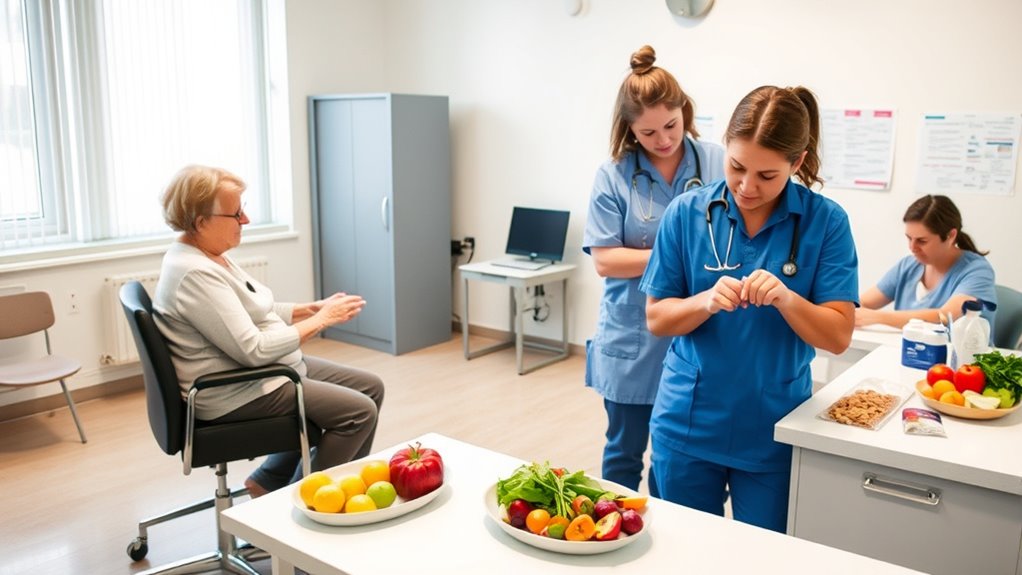

Caregiver training videos on transfer skills, nutrition, and medical tasks provide clear, step-by-step guidance to help you deliver safe and effective care. You’ll learn techniques to prevent falls, protect your own health, and communicate compassionately. These videos cover essential skills like proper transfers, meal planning, and medical procedures to boost your confidence. Keep exploring to discover how you can master these crucial caregiving skills and ensure your loved ones receive the best care possible.
Key Takeaways
- Visual caregiver training videos demonstrate proper transfer techniques to ensure safety and prevent injury during patient mobility.
- Tutorials cover nutrition and dietary care, including meal planning and recognizing signs of nutritional deficiencies.
- Medical task videos show step-by-step procedures for medication administration, wound care, and vital sign measurement.
- Visual aids enhance understanding of safety protocols, emergency responses, and effective communication with patients.
- These videos support caregiver confidence by providing practical, easily accessible training on essential care skills.
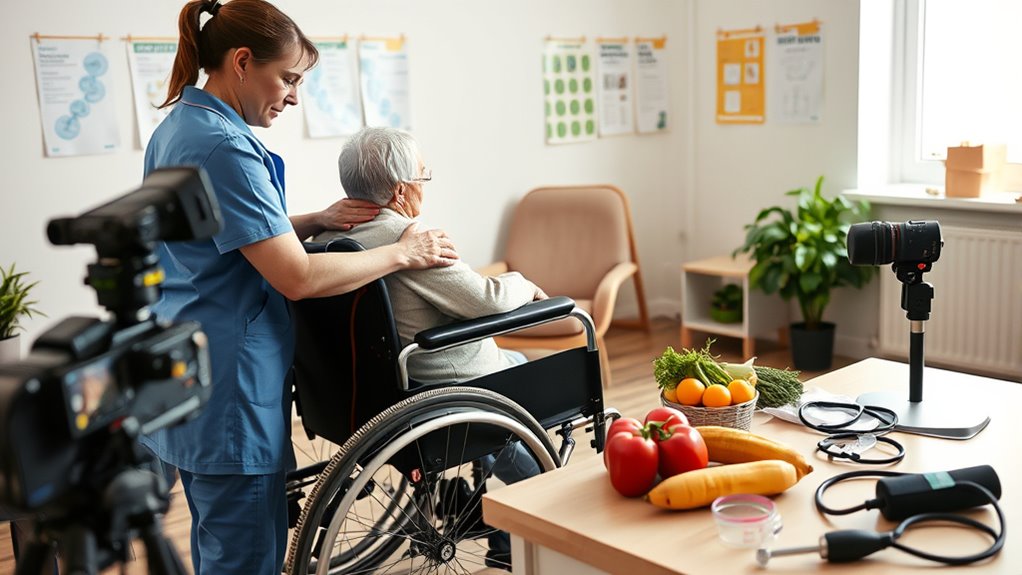
Caregiver training videos have become an essential tool for preparing individuals to provide quality care. These videos offer clear, visual guidance that helps you learn and master critical skills needed in caregiving roles. One of the most important aspects covered in these videos is ensuring patient safety. You’ll understand how to identify hazards, prevent falls, and respond appropriately to emergencies. By watching these demonstrations, you gain confidence in your ability to create a safe environment for those you care for, reducing risks and promoting overall well-being.
Effective communication techniques are also a core focus of caregiver training videos. You’ll learn how to engage with patients compassionately, listen actively, and convey information clearly. These skills are vital because they foster trust and help you better understand the needs of those in your care. The videos illustrate how to adapt your communication style to different situations—whether dealing with someone with cognitive impairments or explaining medical procedures in simple terms. Implementing these techniques ensures that patients feel heard and respected, which can markedly improve their comfort and cooperation.
The videos also emphasize the importance of transferring skills safely and efficiently. Whether moving someone from a bed to a wheelchair or assisting with daily activities, you’ll see step-by-step procedures that minimize discomfort and prevent injury. Proper transfer techniques protect both you and the patient, reducing the risk of falls or strains. These visual lessons are especially helpful because they allow you to see the correct posture and movements, making it easier to replicate them accurately in real situations.
Nutrition is another key area covered in caregiver training videos. You’ll learn how to prepare balanced meals, accommodate special dietary needs, and recognize signs of nutritional deficiencies or dehydration. Proper nutrition is essential for maintaining health and energy levels, especially for vulnerable populations. The videos guide you through practical tips for meal planning, safe food handling, and encouraging healthy eating habits, so you can support your patients’ overall well-being.
Medical tasks are also thoroughly explained through these videos. Whether administering medications, taking vital signs, or assisting with wound care, you’ll see detailed demonstrations that ensure you understand each step. This visual approach helps reinforce proper techniques and reduces errors. By mastering these skills, you contribute to accurate care delivery and help prevent complications.
Additionally, many caregiver training videos incorporate online resources to supplement your learning and provide ongoing support.
Frequently Asked Questions
How Often Should Caregivers Revisit Training Videos for Optimal Skill Retention?
You should revisit training videos every 3 to 6 months to maintain your skills effectively. Refresh frequency helps reinforce your knowledge, preventing skill decay. To stay engaged, use strategies like taking notes, practicing skills hands-on, and setting reminders for review sessions. Regularly revisiting videos ensures you’re confident in transfer skills, nutrition, and medical tasks, ultimately providing better care. Keep your training fresh and engaging for maximum retention and performance.
Are There Any Certification Programs Linked to Caregiver Training Videos?
Yes, there are certification programs linked to caregiver training videos that offer professional accreditation. These programs assess your skills and knowledge, providing recognized credentials to boost your credibility and career prospects. By completing certified courses, you demonstrate your commitment to quality care. Keep in mind that certification requirements may vary by region or organization, so always verify that the program is accredited and meets industry standards before enrolling.
Can Training Videos Be Customized for Specific Patient Needs?
Yes, training videos can be tailored for specific patient needs. You can incorporate personalized content that addresses unique medical conditions or mobility requirements. Adaptive learning technology helps customize the training, ensuring caregivers focus on relevant skills. This approach enhances understanding and retention, making the training more effective. By customizing videos, you support better patient care and ensure caregivers are well-prepared for individual situations.
What Equipment or Tools Are Recommended to Complement the Training Videos?
You should use assistive devices and training aids to enhance your understanding of caregiver techniques. Items like transfer belts, gait belts, or slide sheets help reinforce proper transfer skills, while nutrition tools like measuring cups or specialized utensils support dietary tasks. Incorporating these tools into your training guarantees you practice real-life scenarios effectively, boosting your confidence and competence in caring for patients with specific needs.
How Do Training Videos Address Cultural Differences in Caregiving Practices?
Training videos address cultural differences by emphasizing cultural sensitivity and including diverse scenarios that reflect various caregiving practices. They often use simple language and visuals to overcome language barriers, ensuring understanding across different backgrounds. You’re encouraged to recognize and respect cultural variations, adapt techniques accordingly, and ask questions when needed. This approach helps you provide respectful, effective care while honoring each person’s unique cultural identity.
Conclusion
So, now you’re all set with these caregiver training videos—your secret weapon for mastering transfer skills, nutrition, and medical tasks. Who needs fancy certifications when you’ve got a few clicks and some good humor? Remember, even superheroes need practice. Keep watching, keep learning, and maybe—just maybe—you’ll become the caregiver everyone secretly wishes they had. Now go forth and conquer those chores with the confidence of a pro (or at least a very well-trained sidekick).