
More families are designing homes around caregiving needs to guarantee safety, independence, and stronger family bonds. You can create features like wider doorways, step-free entrances, and flexible spaces that support easy movement and daily routines. These thoughtful designs reduce fall risks and promote confidence for seniors. Planning for future needs with adaptable features also saves money later. To discover how these strategies can fit your family, keep exploring ways to make your home more supportive.

Get the little things that make your day delivered free with Prime
- Fast, free delivery on millions of items
- Prime Video, Amazon Music and more included
- Member-only deals all year
Key Takeaways
- To support aging in place and maintain independence for seniors within their familiar environment.
- To enhance safety features that reduce fall risks and facilitate easier daily routines.
- To incorporate multigenerational living elements, fostering closer family bonds and shared caregiving.
- To plan for future mobility and safety needs with adaptable, flexible home features.
- To utilize smart technology and proactive design, ensuring safety, connectivity, and peace of mind.
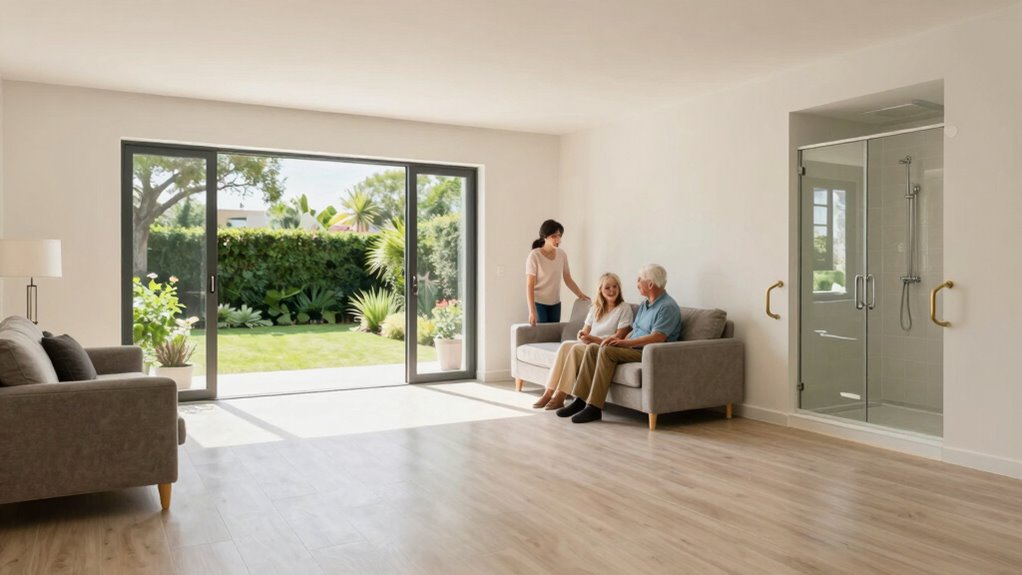
As our population ages, more homes are being designed specifically for caregiving, making it easier for families to provide support and maintain independence. When you consider senior accessibility, you realize how vital it is to create spaces that are safe and functional for older adults. Features like wider doorways, step-free entrances, and lever-style handles help seniors move freely without obstacles, reducing fall risks and promoting confidence in their daily routines. These modifications aren’t just conveniences—they’re essential for enabling seniors to stay in their homes longer, preserving their independence and dignity. Incorporating thoughtful design elements can also enhance cognitive flexibility and overall well-being for aging residents. Multigenerational living is becoming an increasingly popular choice for families seeking to support their aging relatives. When you design a home that accommodates multiple generations, you’re fostering closer bonds and sharing responsibilities more effectively. Incorporating separate entrances, flexible living spaces, or even small self-contained units within the home allows older adults to retain privacy while still being close enough for daily assistance. This setup benefits everyone—older adults get the support they need, and younger family members often find comfort in having loved ones nearby. Creating a home around caregiving needs isn’t just about adding features; it’s about rethinking the entire layout to promote ease and mobility. You might opt for an open floor plan that eliminates tight corners or awkward transitions, making it easier for someone with limited mobility to navigate. Installing non-slip flooring, accessible bathrooms, and easy-to-reach storage ensures that daily tasks don’t become hazardous or frustrating. These thoughtful adjustments make caregiving less stressful and help family members feel confident they can provide support without compromising safety. Designing with senior accessibility and multi-generational living in mind also means planning for future needs. You recognize that aging is unpredictable, so you choose adaptable features that can evolve with changing circumstances. For example, installing grab bars and walk-in showers now makes future modifications simpler and less costly. Incorporating technology—like emergency response systems or smart home automation—further enhances safety and independence for seniors. Ultimately, creating a home tailor-made for caregiving reflects a proactive approach to family support. It’s about building a space that promotes independence, safety, and connection across generations. When you prioritize senior accessibility and multi-generational living in your home design, you’re not just investing in property—you’re investing in your family’s well-being and peace of mind. This forward-thinking approach ensures that everyone’s needs are met, now and into the future.
As an affiliate, we earn on qualifying purchases.
Frequently Asked Questions
How Can Homes Be Adapted for Multi-Generational Living?
To adapt your home for multi-generational living, you can create flexible spaces that serve different needs, like a guest suite or a small apartment. Incorporate privacy solutions such as separate entrances or soundproofing to guarantee everyone feels comfortable. Using multi-functional furniture and designated private areas helps balance shared living and personal space, making your home more adaptable and welcoming for all generations.
What Are the Costs Associated With Designing Caregiving-Friendly Homes?
The costs of designing caregiving-friendly homes vary based on your needs, but a thorough cost analysis helps you understand expenses. You’ll want to take into account modifications like wider doorways, accessible bathrooms, and additional bedrooms, which can add to your budget. Effective budget planning involves balancing these upgrades with your financial capacity, prioritizing essential features first. Consulting with professionals ensures you stay within your means while creating a comfortable, accessible space for loved ones.
Are There Specific Building Codes for Accessible Home Features?
Yes, there are specific building codes for accessible home features, often emphasizing universal design and mobility features. These codes guarantee homes are safe and functional for everyone, including those with mobility challenges. You should check local regulations, as they typically require wider doorways, ramps, and barrier-free layouts. Following these standards helps you create a more inclusive space, making caregiving easier and improving overall safety for all family members.
How Do I Choose the Right Layout for Caregiving Needs?
To choose the right layout for caregiving needs, prioritize universal design principles that promote accessibility and flexibility. Opt for single-story layouts to eliminate stairs and incorporate wider doorways and hallways. Integrate smart home technology to enhance safety and convenience, such as voice-controlled lighting and security systems. Consider creating a dedicated caregiving space or accessible bedrooms close to common areas, ensuring comfort and ease of supervision for both caregivers and those being cared for.
What Are the Best Materials for Easy Maintenance and Safety?
You should choose durable, easy-to-clean materials like vinyl flooring or quartz countertops, which are known for their longevity and low maintenance. Consider eco-friendly options such as bamboo or recycled glass, offering safety and sustainability. Durability considerations are essential for caregiving spaces, ensuring surfaces withstand wear. These materials minimize cleaning time and reduce hazards, creating a safer environment for everyone involved in caregiving.
Conclusion
As you consider designing your home around caregiving needs, remember that nearly 60% of homeowners now prioritize flexible spaces for family members. This shift shows how important it is to create a supportive environment that adjusts to evolving needs. By planning with care in mind, you can foster comfort, safety, and connection for your loved ones. Taking these steps today ensures your home remains a nurturing sanctuary for years to come.
Fall Picks
fall essentials
As an affiliate, we earn on qualifying purchases.