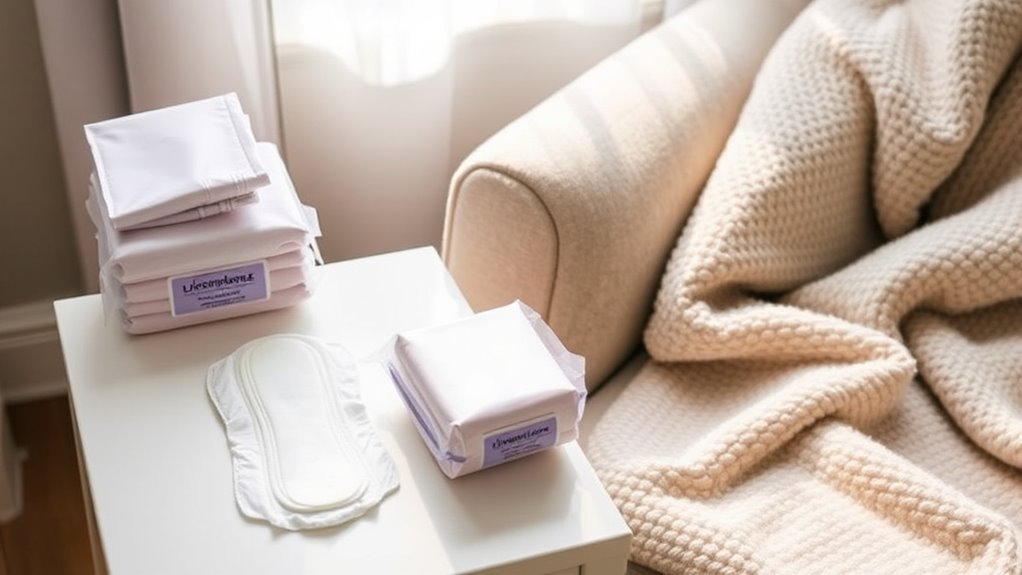

To provide dignified incontinence care, focus on using discreet products like absorbent pads and protective underwear that boost comfort and confidence. Approach the situation with compassion, offering emotional support and reassurance to foster trust and reduce embarrassment. Maintain good hygiene with skin-friendly wipes and proper cleaning techniques. Remember, creating a supportive environment that respects privacy and emotional needs is key. Keep exploring for more tips on combining empathetic care and effective products to enhance quality of life.
Key Takeaways
- Use discreet, comfortable products like protective underwear and pads to maintain dignity and ensure skin comfort.
- Communicate openly and empathetically to support emotional safety and reduce embarrassment.
- Follow proper hygiene practices with gentle wipes and skin care routines to prevent irritation.
- Receive caregiver training on product application, changing techniques, and respecting privacy.
- Adopt a holistic approach that respects individual dignity, recognizes emotional cues, and fosters confidence.

Have you ever wondered how to manage incontinence effectively and comfortably? It’s a common concern, and understanding how to approach it can make a significant difference in maintaining dignity and quality of life. One of the most important aspects is emotional support. Dealing with incontinence can be emotionally taxing, leading to feelings of embarrassment, frustration, or isolation. Providing reassurance and understanding helps ease these emotional burdens. When you approach incontinence with sensitivity, it encourages open communication, allowing you to address concerns without shame or stigma. This emotional support fosters a sense of safety, making it easier to discuss needs and preferences openly, which ultimately improves care.
Approaching incontinence with sensitivity fosters open communication and emotional safety, enhancing dignity and quality of life.
Alongside emotional support, caregiver training plays a vital role in managing incontinence effectively. Proper training equips you with the skills needed to handle daily tasks confidently and compassionately. It covers everything from selecting the right products to understanding skin care and hygiene principles. You learn how to change absorbent products efficiently, minimizing discomfort and preventing skin irritation. Caregiver training also emphasizes the importance of discreetly managing incontinence, so it remains a private matter and doesn’t affect the person’s self-esteem. When you’re well-trained, you’re more likely to respond promptly and appropriately, reducing discomfort for the individual and easing your own stress. Additionally, understanding wicks and absorbent materials can help you select products that best suit individual needs and preferences.
Understanding the importance of emotional support and caregiver training means you’re better prepared to handle the practical and emotional aspects of incontinence. It’s not just about managing accidents; it’s about respecting the person’s dignity and fostering a supportive environment. You’ll learn to recognize cues that might indicate discomfort or emotional distress, allowing you to intervene with kindness and understanding. This approach reduces feelings of shame and helps maintain a positive outlook for everyone involved.
Moreover, utilizing the right products can ease the physical challenges of incontinence. Modern supplies like discreet pads, protective underwear, and skin-friendly wipes make daily routines smoother and more comfortable. Combining these products with your knowledge from caregiver training creates a thorough approach that prioritizes comfort, hygiene, and emotional well-being. Remember, managing incontinence isn’t solely about the physical aspect; it’s about nurturing confidence, dignity, and emotional resilience. By focusing on emotional support and acquiring proper caregiver training, you’re ensuring the individual feels respected, safe, and cared for in every step of this journey.
Frequently Asked Questions
How Do I Choose the Right Incontinence Product for My Needs?
You should choose an incontinence product based on your absorbency levels and product fit. Start by evaluating how much leakage you experience daily, then select products with appropriate absorbency. Guarantee the product fits comfortably without gaps or tightness, which can cause leaks or discomfort. Try different styles and sizes until you find one that offers reliable protection and a secure fit, making you feel confident and cared for throughout the day.
Are There Natural Remedies to Manage Incontinence?
Some people believe herbal remedies and dietary adjustments can help manage incontinence, but scientific evidence is limited. You might try pelvic floor exercises or avoiding bladder irritants like caffeine and alcohol to see if symptoms improve. While natural remedies may offer some relief, it is crucial to consult your healthcare provider before trying any new approach. Remember, managing incontinence often requires a combination of medical advice and lifestyle changes.
How Can I Maintain Skin Health With Incontinence?
To maintain skin health with incontinence, you should establish moisturizing routines that keep your skin hydrated and supple. Use gentle, fragrance-free creams to protect your skin barrier from irritation caused by moisture. Regularly clean your skin with mild, pH-balanced products, and pat dry instead of rubbing. Applying a barrier cream can also provide extra protection, helping to prevent redness and discomfort while maintaining overall skin integrity.
What Emotional Support Options Are Available for Incontinence Patients?
You can find emotional support through counseling, where professionals help you cope with feelings about incontinence. Joining peer support groups allows you to share experiences and gain encouragement from others facing similar challenges. These options provide understanding, reduce feelings of isolation, and boost your confidence. Remember, seeking emotional support is an essential step toward managing incontinence with dignity and maintaining your overall well-being.
How Often Should Incontinence Products Be Changed?
On average, incontinence products should be changed every 2 to 4 hours to prevent skin irritation. If you notice discomfort or leaks, change them sooner. Regularly disposing of used products through proper product disposal methods helps reduce odor and infection risks. Keeping your skin clean and dry is essential, so don’t wait too long between changes—doing so minimizes irritation and keeps you comfortable throughout the day.
Conclusion
Remember, providing dignified incontinence care is about compassion and practical solutions. With the right products and a bit of patience, you’ll turn what feels like a medieval ordeal into a manageable part of daily life. Think of yourself as a modern-day knight, championing comfort and dignity. By staying informed and gentle, you’ll make a real difference, proving that even in these challenging times, kindness and care are timeless virtues.