When choosing a patient lift for home, you need to take into account costs, safety features, and ease of operation. Look for models with sturdy frames, secure slings, and simple controls that everyone can handle safely. Don’t forget to factor in ongoing costs like maintenance and accessories. Prioritize safety features to protect both the user and caregiver. To make an informed decision that balances safety, comfort, and budget, keep exploring the key details involved.
Key Takeaways
- Assess safety features like secure slings, sturdy frames, and emergency stops to ensure user and caregiver safety.
- Consider ease of operation with user-friendly controls and ergonomic design for all caregivers.
- Factor in total costs, including purchase, installation, maintenance, and accessories, for sustainable investment.
- Regular maintenance and compliance with safety standards are crucial for equipment longevity and safety.
- Review reviews, resources, and emerging trends to make informed, cost-effective, and safe choices.
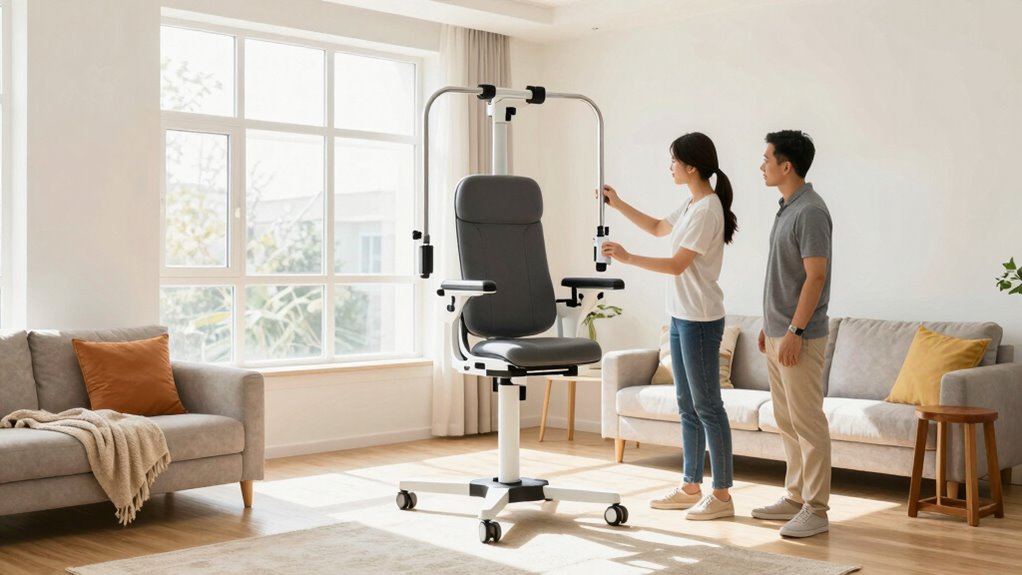
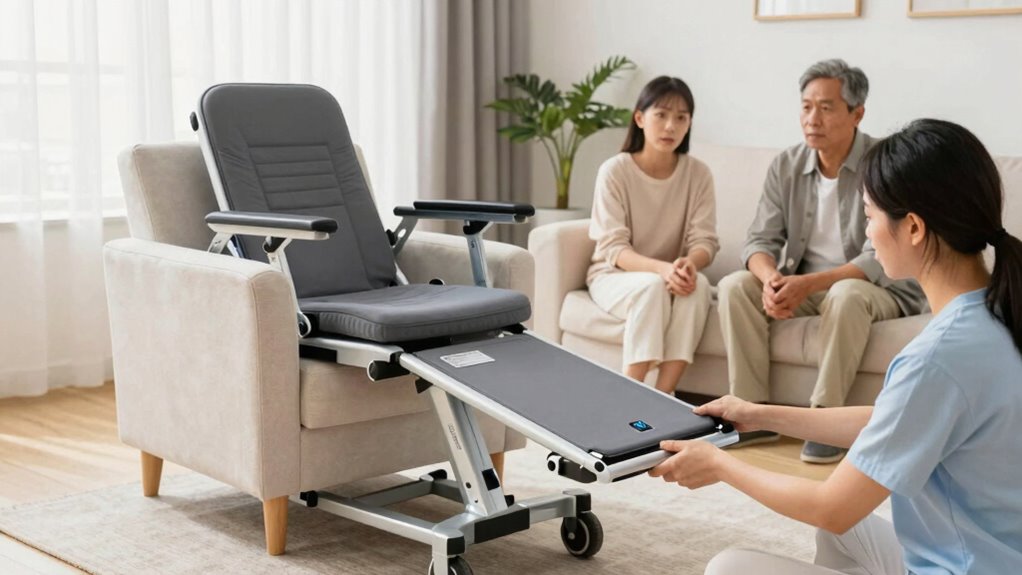
Are you considering a patient lift for your home? If so, it’s crucial to understand the different factors that go into making the right choice. One of the first things you’ll want to think about is cost considerations. Patient lifts come in a range of prices, depending on the type, features, and brand. While some basic models are more budget-friendly, they might lack certain safety features or convenience options. On the other hand, more advanced lifts can be quite an investment but often include additional safety measures and easier operation. It’s important to balance your budget with your family’s specific needs to guarantee you’re making a sustainable choice. Remember, the initial purchase price isn’t the only cost—installation, maintenance, and accessories can add up over time, so plan accordingly. Additionally, understanding emerging trends in digital publishing can help you access resources and reviews to make a more informed decision. Safety features are equally critical when choosing a patient lift. Your primary concern should be the safety and comfort of your loved one, as well as the caregiver. Look for lifts that include essential safety features such as secure slings, sturdy frames, and reliable locking mechanisms. Many models also come with weight capacity limits, which you’ll need to verify to make sure the lift can accommodate your loved one safely. Additionally, features like emergency stop buttons, non-slip grips, and stable bases are indispensable for preventing accidents during transfers. It’s worth investing in a lift with built-in safety measures, even if it costs a bit more, because the peace of mind it provides is priceless. When evaluating different options, consider how easy the lift is to operate. User-friendly controls, clear instructions, and ergonomic design can make a significant difference, especially if multiple family members will be using it. Also, check that the lift is compatible with various slings and accessories, which can enhance safety and comfort. Incorporating proper maintenance practices can extend the lifespan of the lift and ensure ongoing safety. Regularly inspecting the equipment, along with training requirements for proper use, can greatly reduce the risk of accidents. Additionally, staying informed about safety standards specific to patient lifts can help you adhere to best practices and regulations. Don’t forget to look into the manufacturer’s warranty and customer support services, as these can be invaluable if issues arise.

VOCIC Electric Patient Lift for Home, Floor-to-Bed Transfer Aid for Elderly, Foldable Patient Lift with Wireless Lithium Handset, Manual Emergency, 330lbs Capacity, Includes Full Body Mesh Sling, AY05
[2-in-1 Detachable Lithium Handset] – No Heavy Battery Box! Engineered for effortless operation, the AY05 features a revolutionary…
As an affiliate, we earn on qualifying purchases.
As an affiliate, we earn on qualifying purchases.
Frequently Asked Questions
How Much Space Is Needed to Store a Patient Lift at Home?
You’ll need about 4 to 6 feet of space in width and length to store a patient lift comfortably at home. Consider storage considerations like a closet or corner to keep it out of the way when not in use. To optimize space, look for compact or foldable models, and make sure the area allows easy access for safe operation. Proper storage helps maintain the lift’s condition and keeps your home organized.
Are Patient Lifts Suitable for All Types of Disabilities?
While assistive technology and mobility aids, like patient lifts, greatly enhance independence, they aren’t suitable for every situation. If your loved one has complex needs or specific disabilities, a lift might not be the best solution, and alternative options should be explored. It’s essential to evaluate the type and severity of the disability to guarantee the chosen device provides safe, effective support, tailored to individual mobility requirements.
What Maintenance Is Required for a Patient Lift?
You need to regularly check your patient lift for lift safety, which includes inspecting straps, slings, and the frame for wear or damage. Follow the manufacturer’s maintenance schedule, typically involving cleaning, lubrication, and testing the motor and batteries. Ensuring proper maintenance keeps the lift functioning safely and efficiently, preventing accidents. Always record maintenance activities and report any issues promptly to maintain a safe environment for your loved one.
Can Family Members Operate the Lift Safely Without Training?
No, family members should not operate a patient lift safely without proper training. Training requirements are essential to make certain they understand safety precautions, proper use, and handling techniques. Without this knowledge, there’s a risk of injury to both the caregiver and the patient. Always seek professional instruction and follow manufacturer guidelines to operate the lift correctly. This helps prevent accidents and guarantees safe, effective transfers.
Are There Insurance Options to Help Cover the Cost of a Patient Lift?
Are you aware of your insurance coverage options? Many families qualify for financial assistance or insurance benefits that can help offset the cost of a patient lift. Check with your health insurance provider, Medicaid, or Medicare to explore coverage options. Some medical equipment suppliers also offer payment plans or financing. By understanding these options, you can make a more informed decision and guarantee your loved one receives the necessary support without undue financial strain.
VOCIC Electric Patient Lift for Home, Floor-to-Bed Transfer Aid for Elderly, Foldable Patient Lift with Wireless Lithium Handset, Manual Emergency, 330lbs Capacity, Includes Full Body Mesh Sling, AY05
[2-in-1 Detachable Lithium Handset] – No Heavy Battery Box! Engineered for effortless operation, the AY05 features a revolutionary…
As an affiliate, we earn on qualifying purchases.
As an affiliate, we earn on qualifying purchases.
Conclusion
Choosing the right patient lift for your home is essential for safety and comfort. Remember, over 80% of caregivers report reduced strain and injury after using proper lifting equipment. By understanding your loved one’s needs and consulting with professionals, you can select a lift that makes daily transfers safer and easier. Investing time in research now guarantees peace of mind later, helping your family maintain independence and well-being for years to come.

Vive Patient Lift Sling – Full Body Mesh Transfer Sling for Showering & Home Use – Hoyer Lift Pad for Elderly, Disabled, Bariatric – Patient Transfer Assist Device Blanket for Bed Positioning, Lifting
LIFT, REPOSITION AND TRANSFER: Aiding in lifting and repositioning patients and loved ones, the Vive light transfer sling…
As an affiliate, we earn on qualifying purchases.
As an affiliate, we earn on qualifying purchases.

VOCIC Electric Transfer Lift for Car, Portable Folding Patient Lift Transfer Chair, Electric Assist Lift Aid for Seniors, Adults, AY06
[Auxiliary Caregiver Care] – The electric patient lift design enables seamless transfers between wheelchairs, beds, sofas, cars, toilets,…
As an affiliate, we earn on qualifying purchases.
As an affiliate, we earn on qualifying purchases.