When choosing between assisted living and other care options, weigh cost, caregiver availability, and social activities. Assisted living offers 24/7 staff support, meals, and social programs, while in-home care provides personalized support in familiar surroundings. Consider your loved one’s independence and social needs, as well as your ability to support them. Exploring these factors helps make the best choice for safety and happiness—keep exploring to find the right fit for your situation.
Key Takeaways
- Compare costs and services included in assisted living versus in-home care to determine the best financial fit.
- Assess caregiver support needs and availability to ensure sustainable and personalized assistance.
- Explore AI technologies that enhance safety, health monitoring, and communication in various care settings.
- Consider social engagement opportunities offered by assisted living versus the privacy of in-home care.
- Balance factors like cost, support, social needs, and personal preferences to choose the most suitable care environment.

Choosing the right residential care option can feel overwhelming, especially when you’re trying to balance safety, independence, and quality of life. One of the first things you’ll want to consider is the cost comparison between different care settings. Assisted living, for example, often has a higher monthly fee than traditional in-home care, but it includes many services such as meals, housekeeping, and transportation. On the other hand, home care might seem less expensive initially, but costs can add up if you need around-the-clock support or specialized medical services. It’s important to look at what’s included in each package and whether there are additional charges for certain amenities or care needs. Doing this helps you understand the true cost and avoid surprises down the line.
Alongside financial considerations, caregiver support plays a vital role in your decision-making process. In assisted living communities, trained staff are available 24/7 to assist with daily activities like bathing, medication management, and mobility. This means your loved one receives professional support while still maintaining a level of independence that many find satisfying. If you opt for in-home care, caregiver support becomes more personalized, but you’ll need to coordinate schedules, ensure proper training, and oversee the quality of care. Sometimes, family members step in to provide support, which can be rewarding but also physically and emotionally demanding. Evaluating the availability of caregiver support in each environment helps you determine what’s sustainable for your family’s circumstances and whether additional assistance, like visiting nurses or respite care, might be necessary.
Furthermore, understanding the role of AI technologies in managing care can provide insights into innovative solutions that enhance safety and efficiency in both settings. Another aspect to weigh is how each option promotes social engagement and emotional well-being. Assisted living facilities often have communal activities, outings, and social events that help residents stay connected and active. This can be invaluable for mental health and overall happiness. When choosing in-home care, social opportunities depend heavily on your loved one’s initiative and your ability to facilitate outings or visits. While in-home support offers privacy and familiarity, it might lack the structured social environment that assisted living provides. Considering your loved one’s personality and preferences, along with your own capacity to support socialization, will guide you toward the best fit.
Ultimately, selecting a residential care option requires balancing costs, caregiver support, social needs, and personal preferences. No matter what you choose, remember that the goal is to safeguard safety and promote a meaningful, fulfilling quality of life for your loved one.
assisted living facility amenities
As an affiliate, we earn on qualifying purchases.
As an affiliate, we earn on qualifying purchases.
Frequently Asked Questions
How Do I Determine the Right Level of Care Needed?
To determine the right level of care, assess your loved one’s daily needs, focusing on medication management and social engagement. If they struggle with medication routines or feel isolated, consider more supportive options like assisted living. Observe their ability to perform daily tasks and maintain social activities. Consulting with healthcare professionals can help clarify the appropriate level of care, ensuring they stay safe, engaged, and comfortable.
What Amenities Are Typically Included in Assisted Living?
Imagine a place that feels like home—assisted living often includes private or semi-private rooms, nutritious meals, medication management, housekeeping, and transportation. You also get access to recreational activities that keep you active and engaged, along with social events to foster community. These amenities are designed to support your independence while providing the care and comfort you need, making each day enjoyable and stress-free.
Are There Financial Assistance Programs Available?
Yes, financial aid and subsidy programs can help cover assisted living costs. You might qualify for Medicaid waivers, veterans’ benefits, or state-specific assistance programs. These subsidies can markedly reduce your expenses or provide funding if you meet certain income and asset criteria. It’s essential to research local options, talk to your care provider, and consult with a financial advisor to find the best aid programs suited to your situation.
How Do I Compare Different Residential Care Communities?
To compare residential care communities, start by visiting each facility and asking about services like memory care and respite care. Check their staff-to-resident ratio, safety measures, and activity programs. Review reviews and ask about costs and financial assistance options. Consider location, amenities, and how well each community meets your loved one’s specific needs, ensuring they receive the specialized care they deserve.
What Should I Consider When Transitioning a Loved One?
Think of shifting your loved one as guiding a delicate ship through new waters. You should prioritize family involvement to ease emotional considerations and guarantee their needs and preferences are respected. Visit potential communities together, discuss concerns openly, and stay patient as they adjust. Your presence and support act as a lighthouse, providing comfort and stability during this significant change. This thoughtful approach helps make the transition smoother and more reassuring.

Alcedo Alternating Air Pressure Mattress Pad for Bed Sore and Ulcer Prevention, Hospital & Home Use Medical Mattress Topper for Bedridden Patient, Adjustable Ultra Quiet Pump and Waterproof Cushion
Effective Bedsore Prevention with Medical-Grade Quality — With advanced alternating pressure technology, this mattress helps prevent and treat…
As an affiliate, we earn on qualifying purchases.
As an affiliate, we earn on qualifying purchases.
Conclusion
As you chart the course through residential care options, remember each choice is a stepping stone on your journey. Whether you select assisted living or explore other avenues, trust your compass—your heart’s intuition. Like a seasoned sailor steering shifting seas, stay informed and adaptable. Ultimately, this path leads to a haven where comfort and dignity anchor your days, turning the voyage into a graceful dance across the vast ocean of care possibilities.
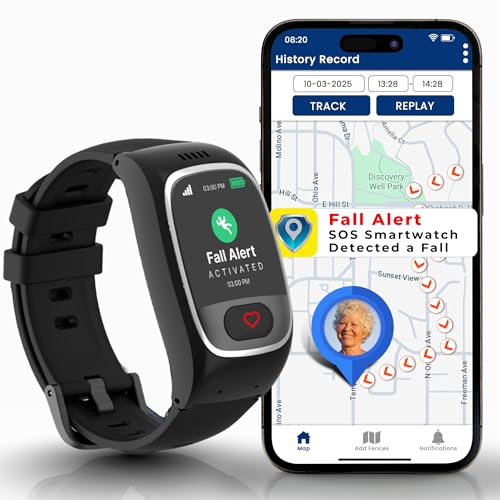
Seculife Smartwatch: Medical Alert Bracelet with GPS Tracker, Fall Detection Smart Watch, 2 Way Calling, SOS Button, Medical Watch, Emergency Device for Seniors, Life Alert System, Elderly Monitoring
🆘 𝐅𝐚𝐥𝐥 𝐃𝐞𝐭𝐞𝐜𝐭𝐢𝐨𝐧, 𝐒𝐎𝐒 𝐯𝐨𝐢𝐜𝐞 𝐜𝐚𝐥𝐥𝐬 𝐟𝐨𝐫 𝐒𝐞𝐧𝐢𝐨𝐫𝐬: When the smartwatch detects a fall or the heart button…
As an affiliate, we earn on qualifying purchases.
As an affiliate, we earn on qualifying purchases.

DREAMORIE Color Sorting Dementia Activities for Seniors, Easy Brain Games for Dementia Patients, Alzheimers Products for Elderly, Memory Matching Games for Adults W/Life Interview Kit, Seniors Gifts
Keep Seniors Engaged: Designed for older adults, our memory and matching game is easy-to-learn but fun and challenging….
As an affiliate, we earn on qualifying purchases.
As an affiliate, we earn on qualifying purchases.