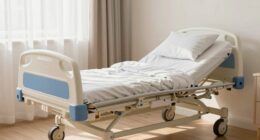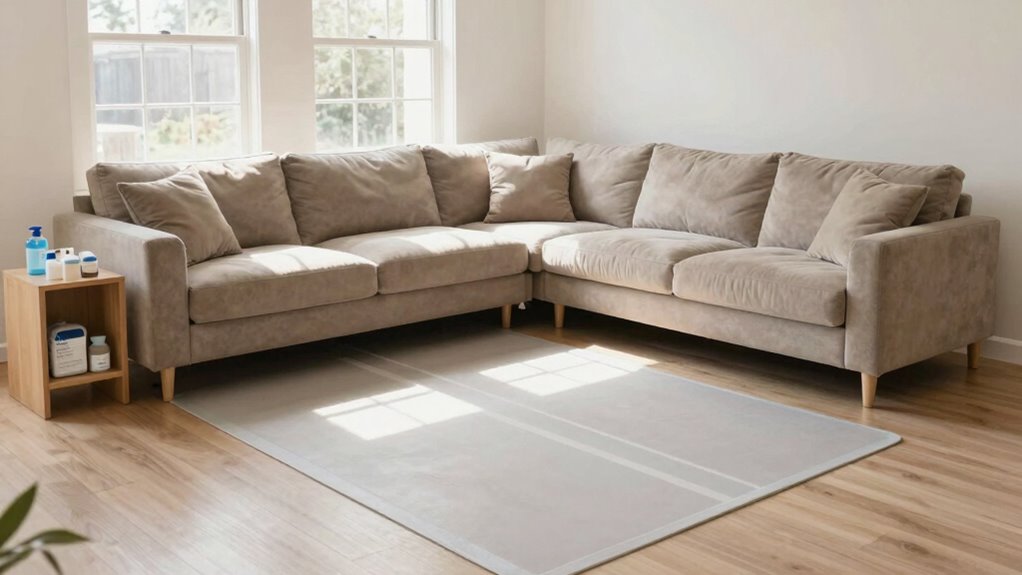
A simple furniture layout makes caregiving easier by creating a safe, clutter-free space where you can move easily and access essential items quickly. It reduces obstacles and hazards, helping prevent accidents and making daily routines smoother. Clear pathways and thoughtfully placed furniture also lessen your physical effort and stress. Plus, an intuitive setup makes it easier to adapt as needs change. Stay with us to discover more ways to create an environment that supports both you and your loved one.
Key Takeaways
- Simplified layouts reduce clutter, making navigation safer and easier for caregivers and care recipients.
- Clear pathways prevent accidents and facilitate quick access to essential items.
- Fewer furniture pieces allow for easier movement of assistive devices and reduce caregiver fatigue.
- Minimalist setups enable quick adjustments as caregiving needs change.
- An intuitive arrangement minimizes stress and supports independence for the care recipient.
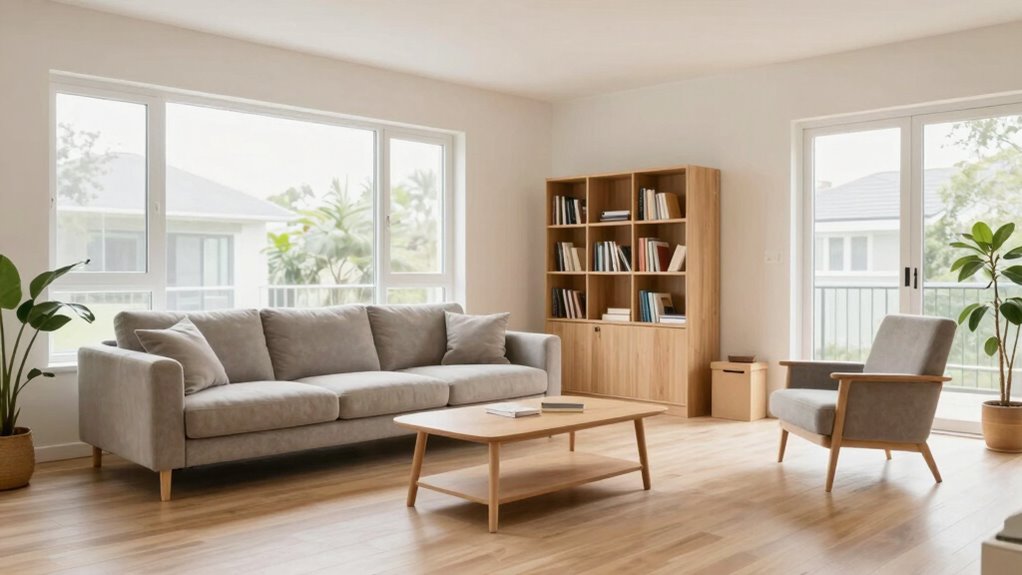
Creating a home that supports easier caregiving begins with simple, thoughtfully arranged furniture layouts. When your space is well-organized, it becomes easier to steer through, reducing stress and physical strain during daily routines. A clutter-free environment allows you to move comfortably and quickly access assistive devices when needed, which is vital for providing effective care. By focusing on simplicity, you minimize obstacles that could lead to accidents, making the home safer for both you and the person you’re caring for.
Incorporating safety modifications into your furniture layout is essential. For example, placing chairs with armrests at strategic locations helps with stability when sitting or standing. Clear pathways free of excess furniture or clutter ensure you can move swiftly in emergency situations. When designing your space, consider the height and placement of furniture so that assistive devices—like walkers, wheelchairs, or grab bars—are easily reachable and unobstructed. This reduces the effort needed to assist someone and decreases the risk of falls or injuries. Using safety standards when selecting furniture can further enhance the overall safety of your caregiving environment. Implementing ergonomic principles can also optimize comfort and reduce strain during caregiving tasks.
Another key aspect is guaranteeing your furniture arrangement promotes independence. Keep frequently used items within easy reach, avoiding the need for stretching or bending. For instance, placing a bedside table within arm’s reach of the bed allows for quick access to essentials without unnecessary movement. To further enhance safety, use furniture with rounded edges and non-slip pads, especially in areas prone to moisture or spills. These small modifications can make a big difference in preventing accidents and creating a more secure environment for caregiving. Additionally, understanding the importance of home safety can help you identify potential hazards and address them proactively. Incorporating home safety principles can also guide you in choosing the right furniture and layout to prevent common dangers.
Simplicity in layout also means thinking about flexibility. As needs change, your home should adapt easily. Modular furniture or pieces that can be moved or adjusted allow you to reconfigure the space without major renovations. This adaptability makes caregiving less stressful and more manageable over time. When planning your layout, prioritize open spaces that facilitate easy movement for assistive devices and caregivers alike. This not only improves safety but also fosters a more comfortable, less restrictive environment for everyone involved. Moreover, designing with flexibility in mind ensures your home remains functional and safe as caregiving needs evolve.
Ultimately, simple furniture layouts are about making your home intuitive and accessible. When you arrange your space thoughtfully, incorporating safety modifications and assistive devices strategically, you create a supportive environment that eases the physical and emotional burdens of caregiving. The result is a safer, more comfortable home where caregiving tasks become less overwhelming, allowing you to focus more on quality time and less on steering around obstacles.

WOTURE Adjustable Overbed Table with Wheels, Pneumatic Height Adjustment, Ideal for Hospital Use or At Home as Bed Tray, Standing Desk, Bedridden & Mobility Needs, Walnut
All-Day Support Overbed Table: A versatile hospital bed table and bedside tray, this overbed table is ideal for…
As an affiliate, we earn on qualifying purchases.
As an affiliate, we earn on qualifying purchases.
Frequently Asked Questions
How Can I Customize Furniture Layouts for Specific Caregiving Needs?
You can customize furniture layouts by creating a personalized space that suits specific caregiving needs. Focus on mobility considerations, like adding wide pathways for wheelchairs or walkers, and placing essential items within easy reach. Adjust furniture arrangements to reduce clutter and obstacles, ensuring safe navigation. Incorporate adjustable or multi-purpose furniture to maximize space. By tailoring your layout, you make caregiving more manageable and promote a comfortable, accessible environment.
What Are Common Mistakes to Avoid When Arranging Caregiving Spaces?
Avoid clutter, which can turn your space into a maze rather than a refuge. Keep your caregiving area open and accessible, focusing on practicality over fleeting decorating trends. Don’t forget aesthetic considerations—choose furniture that’s comfortable and easy to use. Remember, a well-planned layout is like a sturdy bridge, supporting both your daily needs and emotional well-being, rather than a tangled web that hinders your caregiving journey.
How Often Should Furniture Layouts Be Reassessed or Adjusted?
You should reassess your furniture layout at least every year, especially as decorating principles and design trends evolve. Regularly reviewing your space guarantees it remains functional and safe, which is essential for caregiving. If your caregiving needs change or furniture shows signs of wear, make adjustments sooner. Staying updated on current design trends can also inspire practical improvements, making your environment more comfortable and supportive.
What Are Budget-Friendly Options for Creating Simple Caregiving Layouts?
Imagine a cozy room with clear pathways and easy access to essentials. You can create this using budget furniture by choosing versatile pieces like foldable beds and affordable solutions such as secondhand or flat-pack furniture. Shop sales, consider DIY projects, and prioritize multi-functional items to keep costs low. These simple, cost-effective choices help guarantee your caregiving space remains safe, accessible, and welcoming without breaking the bank.
How Do Furniture Choices Impact Safety in Caregiving Environments?
Your furniture choices directly impact safety in caregiving environments by reducing hazards and enhancing accessibility improvements. You should select furniture with rounded edges, stable bases, and no sharp corners to minimize safety hazards. Keep pathways clear and use appropriately sized pieces to make mobility easier. By prioritizing safe, accessible furniture, you create a more secure space, lowering accident risks and making caregiving tasks smoother for both caregivers and those receiving care.

Yelanon Felt Furniture Pads -182 Pcs Premium Felt Pads for Chair Legs Furniture, Floor Protectors for Hardwood Floors, Black
BEST PROTECTION&ANTI SCRATCH – Place our felt furniture pads on the legs of your furniture, including beds, tables,…
As an affiliate, we earn on qualifying purchases.
As an affiliate, we earn on qualifying purchases.
Conclusion
By choosing simple furniture layouts, you create a space where caregiving becomes less of a challenge and more of a seamless routine. Think of it as clearing a path through the chaos—each piece of furniture becomes a stepping stone, not an obstacle. Remember, simplicity isn’t just about minimalism; it’s about clarity and ease. When your environment is straightforward, caregiving flows effortlessly—like water finding its course—making your loved one’s comfort and your peace of mind the true priorities.
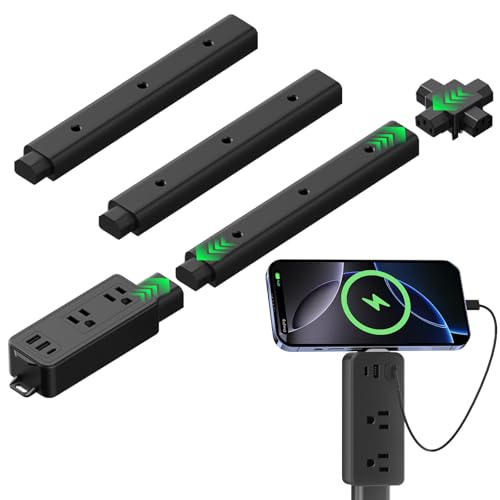
Electrical Outlet Extender Stick 8"-36" Modular Expandable Power Extender Stick 360° Access Hard-to-Reach Outlets for Home Office Dorm Room Behind Furniture,Black
4-Way Plug & Adjustable Length: Electric outlet extender stick features a unique 4-Way plug to extend power up,…
As an affiliate, we earn on qualifying purchases.
As an affiliate, we earn on qualifying purchases.

2 Pack 16 Inch Grab Bars for Bathtubs and Showers, Safety Bathroom Shower Grab Bars for Seniors Holds up to 500LBs, Handicap Grab Bars Stainless Steel, Anti Slip Shower Handle for Wall, Elderly
【Anti-Slip Texture Design】 In order to make the power assist of bath handle more stronger, our grab bars…
As an affiliate, we earn on qualifying purchases.
As an affiliate, we earn on qualifying purchases.