
TL;DR
Motivational quote wall art pairs encouraging words with visual design, but its value comes from how well the message fits you and the space. Choose a short phrase, check that it can be read from where you will see it, and match the print size and material to the room. Treat it as a reminder that can support your routines, not as a promise that motivation will follow.
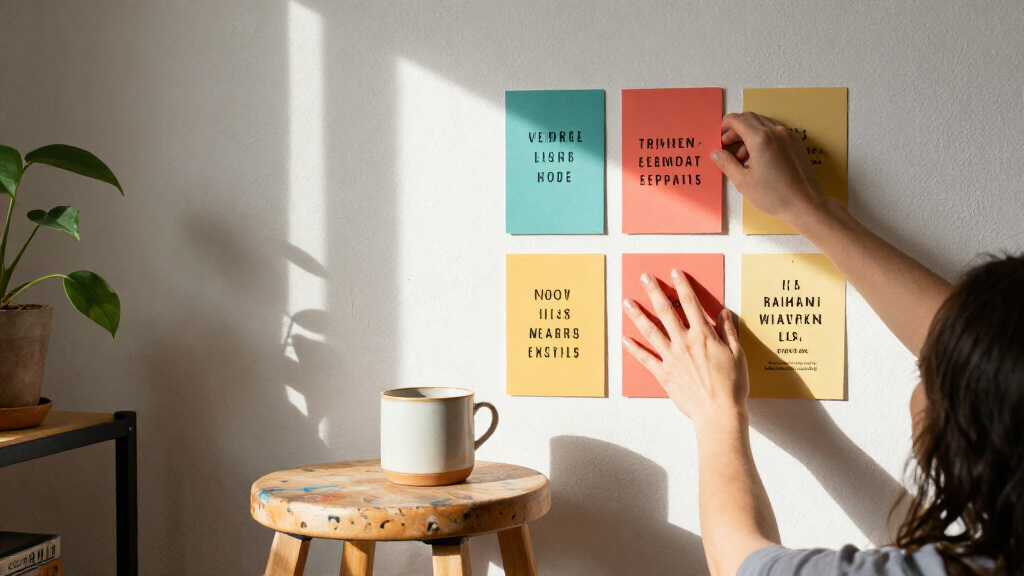
A few words above your desk can catch your eye just as you’re about to close the laptop and give up on the last task. Motivational quote wall art can make a room feel more personal and keep a chosen idea in view, whether that idea is patience, courage, or simply getting started.

Get the little things that make your day delivered free with Prime
- Fast, free delivery on millions of items
- Prime Video, Amazon Music and more included
- Member-only deals all year
This guide helps you choose a phrase that sounds like you, pick a design you can read at a glance, and find the right size and spot for it. You’ll also see how framed prints, posters, canvas, decals, and digital downloads compare. A quote on the wall can serve as a reminder, but it cannot promise a change in your mood or replace the habits and support that help you move forward.
Choose a short phrase that fits a goal or value you recognize in your own life.
Check that the text is legible from your usual viewing distance, with clear contrast and spacing.
Measure the wall and mock up the print dimensions before ordering.
Compare what each format includes, especially frames, hardware, file sizes, and print costs.
Proofread custom wording and verify quote attribution and usage rights where relevant.
Choose a quote that still sounds like you next month
Motivational quote wall art feels most meaningful when the words fit a real goal or value in your life. A brief phrase you can explain in your own words usually has more staying power than a slogan chosen only because it looks popular online. That fit matters because you’ll see the print repeatedly: language that feels personal can bring a useful intention to mind, while language that feels borrowed may fade into the background or become irritating.
For instance, someone learning guitar might choose “One chord at a time” over a sweeping line about becoming unstoppable. It speaks to the small, sometimes awkward work of practice, and it leaves room for progress to be uneven. If you’re decorating a shared family entryway, a message about welcoming people home may suit everyone better than a quote tied to one person’s career goals. The tradeoff is specificity: a phrase tailored to one person or activity can feel powerful in a private space, while broader wording is easier to share but may feel less distinctive.
Try this quick check before you buy: read the phrase aloud, imagine seeing it on a tired Tuesday, and ask whether it still feels honest. If a line feels pushy or makes you feel worse on a difficult day, keep looking. A reminder has to be usable in the moments you actually need it; wording that acknowledges effort and setbacks can encourage without turning a hard day into a judgment about your character.
- Perseverance: choose words about steady effort if you’re building a skill.
- Calm: look for a quieter phrase if the room is where you rest.
- Confidence: pick wording that encourages you without pretending every day feels easy.
Match the message to the room’s purpose as well as your own. A high-energy slogan might help mark a workout area, but could make a bedroom feel less restful. Thinking about both the reader and the setting helps the artwork earn its place instead of competing with what you use the room for.
Products Worth Considering

iRobot Roomba 105 Robot Vacuum with LiDAR Navigation

Philips Hue Bridge Pro Smart Lighting Hub

Google Nest Thermostat – Smart Programmable Wi-Fi Thermostat (Snow)
As an affiliate, we earn on qualifying purchases.
Make the words easy to read from across the room
Good quote art puts readability first: you should be able to make out the phrase from the spot where you’ll usually see it. Letter size, contrast, spacing, and font choice all affect how quickly the words register. A delicate script might look lovely up close but blur into curls from the doorway, like trying to read a note through rain-speckled glass. If reading takes effort, the quote is less likely to work as a quick reminder, even if the design looks beautiful on a product page.
Imagine a short line above your kitchen table. Black lettering on warm cream paper will likely read clearly against a pale wall, while thin white letters on a light pink background may vanish when afternoon sun crosses the room. Contrast can solve one visibility problem but change the mood of the piece: high contrast often feels bolder, while softer color pairings can blend more gently into a room. If you want decorative lettering, check the longest word in the quote; ornate fonts often make long phrases harder to scan, so a short message gives the style more room without sacrificing clarity.
Think about the room’s colors and existing artwork, too. A restrained design can sit comfortably beside family photos, while a bold red phrase may become the visual center of a quiet bedroom. A focal point can make the quote easy to notice, but if it dominates the wall it may distract from the space’s other uses. Design trends such as neutral palettes, minimalist typography, and retro lettering can offer ideas, but trends shift across sellers and regions. The question is whether the design works for your room and your eyes over time.
Quick test: view the design at the distance you’ll see it every day. If the wording takes effort to decipher, choose a simpler font or stronger contrast. If you’re comparing options, test them at the same size and distance; that makes it easier to judge actual legibility rather than being swayed by a polished close-up image.
Pick a print size and placement that suit your routine
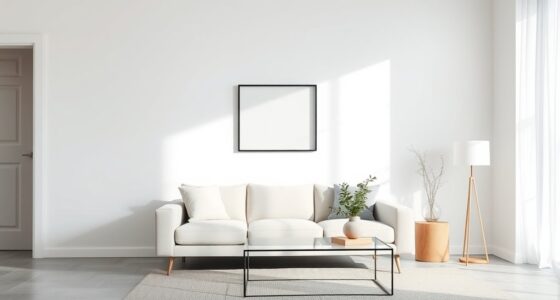
The right size depends on wall space, viewing distance, and nearby furniture. A small print can disappear over a long sofa, while a large canvas may crowd a narrow corner. Scale affects more than appearance: a piece that is too small may be hard to notice, while one that fills the wall can make a quiet room feel busy. Measure the open wall and mark the proposed dimensions with painter’s tape or paper before ordering; a quick mock-up can show whether the piece will feel balanced and how it relates to the furniture beneath it.
Placement matters as much as scale. Put a study reminder where you sit at your desk, or hang a training motto near the exercise mat rather than in a hallway you barely use. For example, a runner who gets ready by the front door might place “Start where you are” beside the shoe rack, where it’s visible while tying laces. A relevant location makes the phrase easier to connect with an action, though a spot that is convenient to see should not obstruct doors, storage, or the way people move through the room.
Check the line of sight from a seated or standing position, depending on how you use the space. An inspiring phrase placed high above a desk may be technically visible but easy to ignore because you have to look up from your work. In a shared room, consider whether everyone will see it without craning their neck. The best spot lets the words appear naturally during the activity they relate to, while keeping them at a comfortable viewing height.
- Measure the clear wall area and note nearby furniture.
- Mock up the print’s height and width with paper or tape.
- Check visibility from your usual seat, doorway, or workout position.
- Adjust the placement until it feels easy to see without taking over the room.
These checks can also prevent a practical mismatch: a large, heavy piece may be awkward to hang in a rental or above a desk, while a small print may get lost on a broad wall. Settling on a position and size before ordering gives you a clearer basis for choosing a format and hanging method.
Compare print formats before you place your order
Choose a format based on your budget, installation needs, and preferred finish. Each option trades convenience against control and cost. Framed prints feel tidy and are easy to move, but the frame can add weight and expense. Posters often cost less and are lightweight, though they may need a separate frame to look finished. Canvas adds texture without a separate frame, but its depth and edge finish affect how it sits on the wall. Decals can work on a smooth wall, though they depend on the surface and are less straightforward to move. A digital download gives you the option to print locally, but you take responsibility for selecting the printer, paper, and final size.
For instance, a renter who wants to avoid heavy wall hardware might prefer a lightweight poster in an easy-to-hang frame. Someone furnishing a home office for years may prefer a sturdier framed print and accept the higher upfront cost. The details vary by product, so look for paper weight, frame construction, dimensions, and whether the price includes shipping or a frame. Think about the full cost and effort of getting the art onto the wall, not just the listed price; an inexpensive poster can cost more once framing is added.
| Format | What it offers | Check before buying |
|---|---|---|
| Framed print | Finished, polished appearance | Frame material, glazing, hanging hardware |
| Poster | Often lightweight and budget-friendly | Paper quality and whether a frame is included |
| Canvas | Textured look and no separate frame required | Edge finish, depth, and print clarity |
| Digital download | Flexible local printing and potentially lower cost | File resolution, included dimensions, and printing costs |
Many online marketplaces and print-on-demand services offer customization, but confirm whether you’re ordering a physical item or a file. Ask whether revisions cost extra, and check sustainable materials or local production if those matter to you. A download may seem cheaper, for example, but printing and framing costs can change the total; a careful product check helps you compare the complete purchase and avoid the disappointment of opening a tube to find the frame you expected was never included.
Personalize the design without losing the message
Personalized quote art can feel more connected to your life when it uses your wording, colors, or a meaningful date. Some people use it to personalize homes with a family phrase, a reminder from a mentor, or a line tied to a milestone. These details can make the art feel specific enough to revisit, but every addition also competes for attention. The design still needs to leave the words easy to read; adding flourishes, icons, or several typefaces can bury the main idea.
Suppose you’re making a small gift for someone who has just opened a bakery. A phrase they actually use in the shop, set in the bakery’s deep green and cream palette, may mean more than a generic success slogan. Art pairs short, encouraging messages with visual details such as a simple sun, a small sprig, or a familiar local landmark. Keep the image secondary so the message stays clear. A restrained design also has a better chance of fitting into the recipient’s existing space, while a highly customized palette or large illustration may suit their taste less well than you expect.
Before approving a custom design, proofread every character. Confirm spelling, punctuation, capitalization, and any date or name. Ask whether the seller sends a preview and whether the quoted price includes changes. A proof gives you a chance to catch mistakes before they are printed, when corrections are easier than replacing a finished item. If you’re using a well-known saying, verify its source: popular quotes are often misworded or credited to the wrong person. Commercial use of contemporary writers’ words may need permission, so check the relevant rights before selling products that include a quote.
Let the quote support your habits, not promise a result
Wall art can act as a visible reminder, but it cannot guarantee motivation, focus, or success. People respond differently to the same message, and a phrase alone won’t replace planning, practice, rest, or help from other people. Its practical value often depends on whether it brings a useful idea to mind when you’re already in a place to act. That makes placement and wording important, but it also sets a limit: a reminder can cue a next step; it cannot supply the time, energy, or support that step may require.
For example, a student might pair “One page at a time” above a desk with a calendar and a regular study block. The print helps keep the intention visible; the calendar and routine provide a next step. If the phrase starts feeling like pressure—say, a relentless “No excuses” on a week when you’re exhausted—you can move it, replace it, or choose gentler wording. This is a useful tradeoff to consider when choosing a tone: an assertive line may feel energizing on some days, while a kinder one may remain usable when circumstances are difficult.
Choose words that encourage without shaming you for having limits. A message about beginning again can feel more usable than one that demands perfect discipline. Motivational quote wall art can add warmth and personality to a classroom, gym, office, or living room, but it should stay a small part of a wider approach to wellbeing and goals. Pair it with actions and supports that fit your situation, and let yourself change the message if it stops helping.
A good reminder invites action without claiming that one sentence can solve every hard day.
Frequently Asked Questions
What makes a good motivational quote for wall art?
A good quote is short, readable, and relevant to the person and room. Choose wording that feels honest to you rather than a slogan picked only for its popularity.
Where should I hang motivational quote art?
Place it where it’s easy to see during the activity it relates to, such as a study reminder near a desk or a training phrase beside exercise equipment. Check the view from where you actually sit or stand.
What size quote print should I choose?
Measure the clear wall area and consider the furniture and viewing distance. Tape paper to the wall in the print’s proposed dimensions; this helps you spot a piece that would look too small or take over the room.
Which is better: framed print, canvas, poster, decal, or digital download?
It depends on your budget, room, installation needs, and whether you want a physical print. Check the listed dimensions, materials, frame or hanging hardware, and—if buying a download—the file resolution and printing costs.
Can I customize the wording or colors?
Many sellers offer custom wording, names, dates, or colors. Check whether the price includes a design preview and revisions, then proofread every detail before approving the final piece.
Are famous quotes always attributed correctly?
No. Popular sayings can be misquoted or assigned to the wrong person, so verify the wording and source with a reliable reference. If you plan to use a contemporary writer’s words in something you sell, check whether you need permission.
Does motivational wall art improve motivation?
It may serve as a reminder or help make a space feel encouraging, but people respond differently and the art cannot guarantee a change in behavior or mood. Pair a useful phrase with practical steps, such as a study schedule or regular practice time.
Conclusion
Choose a phrase you can stand behind on an ordinary, imperfect day, then put it where you’ll see it while doing something connected to that message. Check the size and readability before you order, and let the art support the routine you build around it.
A good quote doesn’t have to shout from the wall. Sometimes a few clear words, catching the light above your desk, are enough to bring you back to the next small step.