
TL;DR

Get the little things that make your day delivered free with Prime
- Fast, free delivery on millions of items
- Prime Video, Amazon Music and more included
- Member-only deals all year
Motivational quote wall art combines an inspirational phrase with visual design, on a print, canvas, painted surface, or digital display. Choose wording that fits its audience and setting, check that it stays readable from across the room, and match the size and materials to the wall. Treat it as a personal reminder, not a promise that your mood or productivity will change.
A sentence on the wall can catch your eye while the kettle boils, your laptop starts, or you lace up your shoes. That small moment is the appeal of motivational quote wall art: it puts a chosen message where daily life happens.
The right piece starts with more than a catchy line. You’ll learn how to choose wording, check readability, match the art to your room, and weigh print options so your wall feels personal rather than crowded with slogans.
Choose wording that suits both the people who will see it and the room where you’ll hang it.
Check contrast, spacing, and line length at the real viewing distance; font size alone does not guarantee readability.
Measure your wall and nearby furniture before selecting a print, canvas, or digital file.
Verify a well-known quote’s attribution and check product details, especially before commercial use.
Treat wall art as a decorative reminder, not a guarantee of motivation or a change in mood.
What motivational quote wall art can add to your room
Motivational quote wall art combines a short inspirational phrase with visual design, displayed as a print, painting, hand-lettered piece, or digital image. Its main effect is contextual: a message placed beside a desk, bed, or doorway becomes part of how that space feels and what you notice there. That can make a room feel more personal, though the same phrase may read differently depending on the viewer and the moment.
Think of a home office with one calm line above a desk, or a gym corner with a bolder phrase near the weights. In the office, the art can help set a deliberate tone for work; in the gym, it can contribute energy to the surroundings. Neither guarantees focus or a better workout. The distinction matters because a decorative reminder can support an intention, but it cannot replace rest, time, or practical effort.
A wall can remind you of a value; it cannot do the work for you. Choose words that support your own goals without turning a rough day into a test you have to pass.
That distinction also helps when familiar success slogans feel pressing or worn out. A phrase about rest, patience, humor, or self-compassion may better fit a room where you want to feel welcome. Consider how the words might land on an ordinary difficult day, not only when you feel inspired.
Choose words that feel right to the people who’ll read them
A good motivational quote is concise, easy to read, relevant to its audience, and meaningful in the room where you hang it. These qualities work together: a memorable line that feels judgmental to its audience can make the room less comfortable, while a personally meaningful phrase may be worth choosing even if it is less familiar. The wording should sound like something you want to encounter each day, rather than a slogan chosen just because it is popular. If you’re buying for someone else, their taste matters more than your favorite saying.
For example, a parent setting up a study nook for a teenager might choose a gentle reminder to take things one step at a time instead of a line about winning. The first offers encouragement without defining success as a competition; the second may suit someone who already enjoys that framing. Someone who wants a dry, funny home office might prefer a playful original phrase over a solemn quotation. The best choice reflects the person and the moment in which they will see it.
Personalization can make a print more specific: a name, a date, a favorite language, or wording tied to a shared memory. That extra detail can turn generic decor into something with a clear connection, but it also makes accuracy important. Many sellers let you change colors or type, though they differ on whether a proof or custom size is included. Read the listing carefully before ordering, especially if a spelling detail matters, and check whether you’ll see a proof before production.
If a phrase is credited to a well-known author, verify the attribution through a dependable source, such as a published work or a well-documented historical record. Popular quote pages repeat mistakes, and a false attribution can distract from the message or misrepresent the author. A line you wrote yourself can avoid attribution confusion and make the piece feel more personal.
Make the lettering easy to read from where you’ll stand
Readable quote art uses clear contrast, comfortable spacing, and a line length that suits its viewing distance—not just a large font. Contrast determines whether the letters separate from the background; spacing and line breaks affect whether the eye can follow the phrase without effort. Pale lettering on a busy background can disappear across a room, while tightly packed words can feel cramped even in bold type. Check the whole composition before you buy, because enlarging a design does not necessarily fix weak contrast or awkward line breaks.
Here’s a practical test: view the product preview at roughly the distance from which you expect to read it. If you can’t make out the words at a glance, consider a simpler design, darker lettering, or a larger format. Each change has a tradeoff: a larger print takes more wall space, while darker lettering may create a stronger visual presence than you want. In a narrow hallway, a tall layout may work; above a broad sofa, a wider arrangement can feel more balanced.
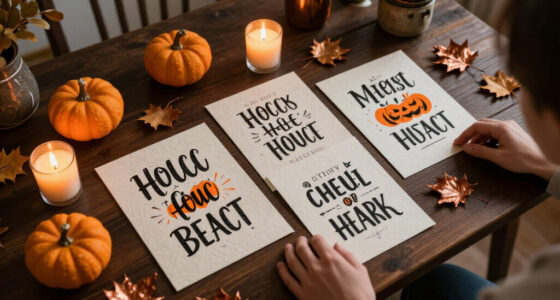
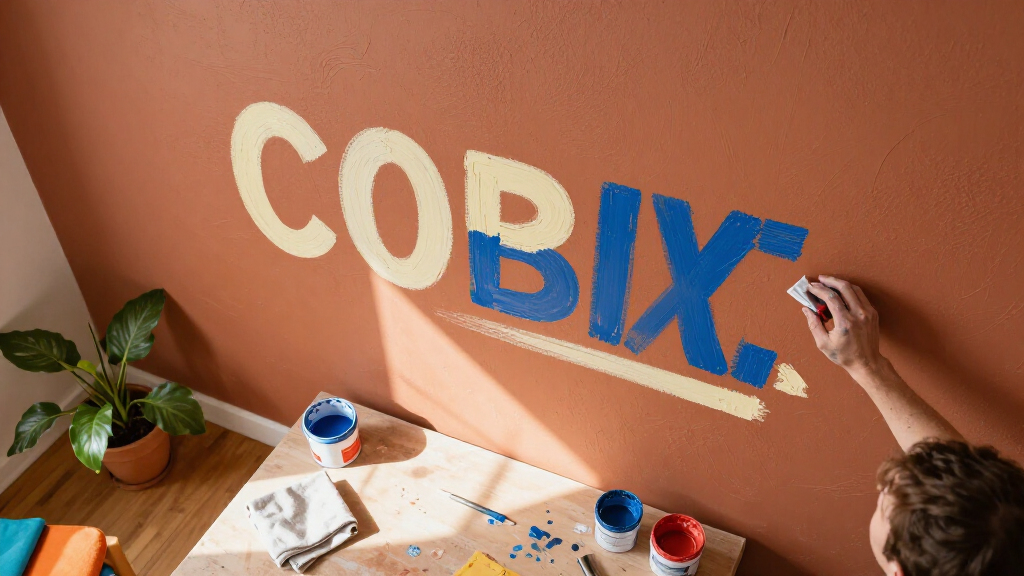
Design style changes the mood as well as the legibility. Minimalist typography leaves more quiet space around the words; hand-drawn lettering brings a casual, crafted feel; retro colors can add warmth. A strong design still needs breathing room, especially when the phrase runs across several lines. If decoration competes with the words, the art may look lively up close but become harder to read from where you usually sit or stand.
Match the material and size to your wall
Canvas and framed paper prints usually arrive ready to hang, while a digital download gives you more control over printing, paper, and frame. The choice affects not only appearance but also effort and cost. A ready-to-hang piece is convenient, though you have fewer choices about the finish; a download can be tailored to your preferences, but you take on printing, framing, and checking the final result. Compare the total cost, finish, convenience, and available sizes before choosing. A download can look affordable until you add professional printing and a frame.
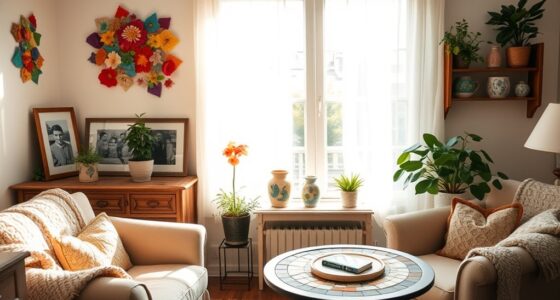
Measure the wall and the furniture below it before you order. Scale changes how a piece relates to the room: a small print above a wide desk may look lost on its own, while several smaller pieces can make a lively gallery wall. Use paper templates on the wall to test the arrangement; this shows how much space the art will occupy and how it will sit alongside furniture. A few minutes with tape can save you from a box that feels surprisingly tiny.
| Option | Works well when | Check before buying |
|---|---|---|
| Framed paper print | You want a finished piece with a clean edge | Frame material, glazing, print size, and hanging hardware |
| Canvas | You want a textured surface without a separate frame | Canvas depth, edge finish, and how it mounts |
| Digital download | You want flexible sizes or local printing | File dimensions, print rights, and the added cost of printing and framing |
Screen colors and dimensions can differ from the delivered piece, so read the specifications and inspect the available previews. File dimensions matter for downloads because enlarging a small image too far can make the print look soft. If you’re choosing recycled paper or other sustainability claims, check what the seller says the claim covers rather than assuming every part of the product has the same certification. A detail about the paper, for example, does not necessarily describe the frame or packaging.
Place each message where it fits your routine
Hang a quote where it will be visible during the activity or moment the words speak to. Placement gives the message context: a work-related reminder may fit beside a desk, a lively phrase might suit a workout space, and a quieter line could bring a personal touch to a reading corner. The location also affects how often you notice it. A piece in your natural line of sight becomes part of a routine; one hidden behind a door may have little presence, however meaningful the wording is.
For instance, if you’re trying to make a spare bedroom function as a workspace, a print about focus might make sense near your monitor, where you see it between tasks. The same wording above a dining table could feel out of place because it brings a work cue into a space used for meals and conversation. Picture your usual path through the room before you settle on a nail or hook. This helps you choose a spot that feels intentional without making the message dominate the room.
Use hanging hardware suited to your wall and follow the seller’s directions. Prolonged direct sunlight can fade some prints, and damp areas can damage paper or frames, so choose a spot with conditions the materials can handle. Placement is therefore a balance: the most visible location may not be the best one if it exposes delicate materials to sun or moisture. A secure hanger also matters if the art will go near a busy doorway or desk.
Follow five checks before you order
Five quick checks can help you choose quote art that looks right on your wall and feels right to live with. Take a few minutes to review the words, design, dimensions, materials, and source details before you click buy. Each check catches a different kind of mismatch: the phrase can suit the room but not the audience, or the print can look appealing online but be too small for its intended wall.
- Read the phrase aloud. Does it sound natural to you, or like a command you’ll soon tune out? Hearing it can reveal whether the tone feels encouraging, overly forceful, or simply unlike you.
- Check the audience and setting. Ask whether the people in that room will welcome the message. Words that motivate one person may feel like pressure to another.
- Preview readability. Look at contrast, spacing, and line breaks at the likely viewing distance. If you have to work to read the preview, the design may become frustrating in daily use.
- Measure the wall. Compare the stated dimensions with the space and nearby furniture. This catches scale problems before the art arrives and helps you judge whether one print or a group will suit the wall.
- Review the details. Check materials, hanging hardware, personalization terms, seller claims, and quote attribution where relevant. Those details affect how the piece arrives, how long it may last, and whether the wording is represented accurately.
That last check matters if you plan to sell or reproduce the art. A widely shared phrase is not automatically free for commercial use, and the quote, artwork, photograph, and font can each raise separate rights questions. Rules depend on the wording, creator, use, and jurisdiction, so checking reliable rights information before committing can prevent an attractive design from becoming a costly problem.
Give quote art as a gift they’ll actually want to hang
Motivational quote art can make a thoughtful gift when its wording and style reflect the recipient’s taste. A personalized date or a phrase tied to a shared memory can add meaning without making the gift feel generic. The design still needs to suit the person’s home or workspace, because a meaningful message is less likely to be displayed if its colors, size, or tone clash with the room.
Imagine a friend opening a small studio: a framed print in colors they already use may fit more naturally than a giant, high-contrast slogan. If you’re unsure about their walls, choose a modest size or a digital option they can print locally. A smaller piece may be easier to place, while a digital option gives the recipient more control but leaves printing and framing to them. A message should feel like a welcome reminder, not advice they never asked for.
Frequently Asked Questions
What makes a good motivational quote for wall art?
A good quote is concise, legible from the intended viewing distance, and meaningful to the people who will see it. It should also suit the room’s mood and the recipient’s taste.
Where should I hang motivational quote art?
Place it somewhere visible where its message fits the activity or atmosphere, such as a work reminder near a desk. Consider your usual path through the room and avoid locations that expose delicate materials to prolonged sunlight or moisture.
How do I choose the right size?
Measure the wall and nearby furniture, then compare those measurements with the print’s listed dimensions. A print above a broad sofa needs a different scale than one grouped with photographs on a small gallery wall.
Should I buy canvas, a framed print, or a digital download?
Choose canvas or a framed print when you want a ready-to-display piece; choose a digital download when you want flexibility in printing and framing. Check the full cost, finish, file dimensions, and any use restrictions before ordering.
Are motivational quotes copyrighted?
It depends on the wording, author, jurisdiction, and how you use the quote. A phrase being widely shared online does not prove it is free to reproduce, especially on products for sale, so check reliable rights information before commercial use.
Conclusion
Choose a phrase you’re glad to meet on an ordinary Tuesday, then give it a size, style, and spot that let it feel at home. Let the words share the wall with your life—not try to run it.
Fall Picks
fall essentials
As an affiliate, we earn on qualifying purchases.