
TL;DR
Listen free for 30 days with Audible
Thousands of audiobooks and originals — cancel anytime.
Start your free trialAs an affiliate, we earn on qualifying purchases.
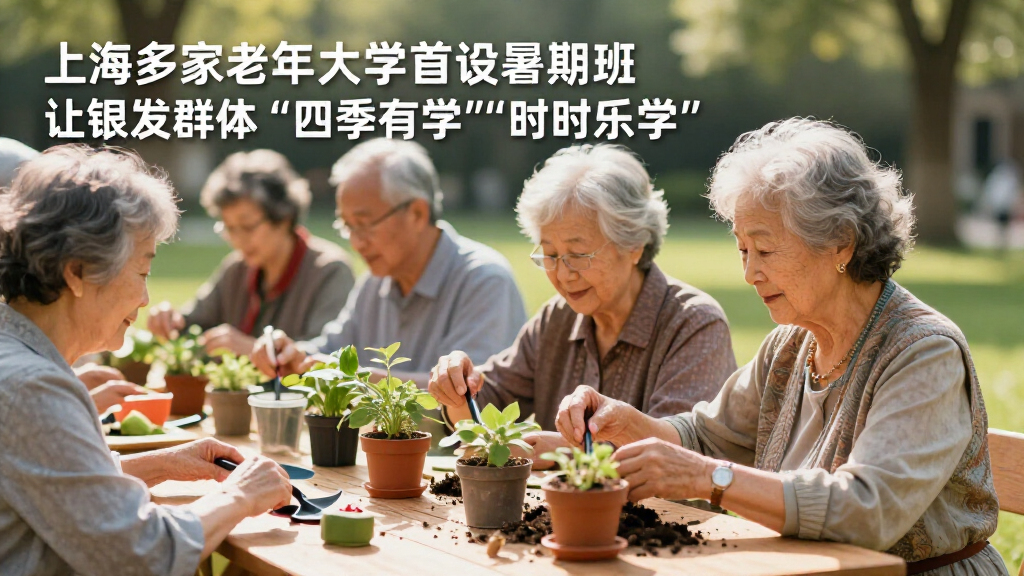
Several elderly universities in Shanghai have launched their first summer classes, allowing seniors to continue learning during the summer months. This initiative aims to promote lifelong education and active aging among the elderly population.
Several elderly universities in Shanghai have launched their first-ever summer classes, providing seniors with opportunities to learn and engage during the summer months. This initiative aims to promote lifelong education and support active aging among the elderly population in the city.
According to reports from 央广网, multiple elderly universities in Shanghai are offering summer courses for the first time, marking a significant shift in their educational programs. The new summer classes are designed to allow seniors to participate in learning activities throughout the year, breaking the traditional academic calendar that primarily focused on the fall and spring semesters.
Officials from these institutions stated that the summer programs include a variety of courses such as arts, language, health, and technology, tailored specifically for seniors. The initiative is part of broader efforts to promote healthy aging and social engagement among the elderly, aligning with Shanghai’s policies to support lifelong learning and active participation in community life.
Implications for Elderly Engagement and Policy
This development reflects a growing recognition of the importance of lifelong learning for seniors, contributing to their physical and mental health, social integration, and overall quality of life. It demonstrates how local policies are adapting to an aging population by providing more inclusive educational opportunities. The move could set a precedent for other cities to expand adult education programs for seniors, fostering a more active and engaged elderly community.
Background on Elderly Education in Shanghai
Shanghai has a large and growing elderly population, with ongoing efforts to improve their quality of life through various social programs. Historically, elderly education programs in the city focused mainly on daytime classes during the academic year, often ending before summer. The introduction of summer classes marks a new approach, emphasizing continuous engagement and lifelong learning. This shift aligns with national policies promoting active aging and community-based elderly care, which have gained momentum over recent years.
“Launching summer classes for seniors is a significant step toward creating a lifelong learning environment, enabling elders to stay active and socially connected throughout the year.”
— Li Wei, Director of Shanghai Elderly Education Committee
Details on Program Scope and Participation
It is not yet clear how many elderly universities across Shanghai are participating in the summer program or how many seniors are expected to enroll. Specific details about the course offerings, duration, and funding are still emerging, and it remains to be seen how widely this initiative will be adopted or scaled in the future.
Next Steps for Elderly Summer Education Expansion
Officials plan to monitor the enrollment and feedback from seniors participating in these summer classes. If successful, the program could expand to include more universities and a broader range of courses. Additionally, policymakers may consider integrating summer learning into long-term elderly care strategies, promoting active aging across other regions of China.
Key Questions
Why are elderly universities in Shanghai starting summer classes now?
The initiative aims to promote lifelong learning and active aging by providing continuous educational opportunities, reflecting policies that support healthy, engaged elderly populations.
What types of courses are being offered in the summer programs?
Courses include arts, language, health, and technology, tailored specifically for seniors to enhance their skills and social engagement.
How many seniors are expected to participate?
Specific enrollment numbers are not yet available, but officials expect a positive response given the increasing demand for lifelong learning among the elderly.
Will this program continue annually?
It is too early to confirm, but officials are optimistic that if the summer classes prove successful, they will become a regular feature of elderly education in Shanghai.
Could this initiative influence elderly education policies elsewhere?
Yes, if successful, it could serve as a model for other cities and regions seeking to expand lifelong learning opportunities for seniors.
Source: local
NFL season / tailgating Picks
team gear
As an affiliate, we earn on qualifying purchases.