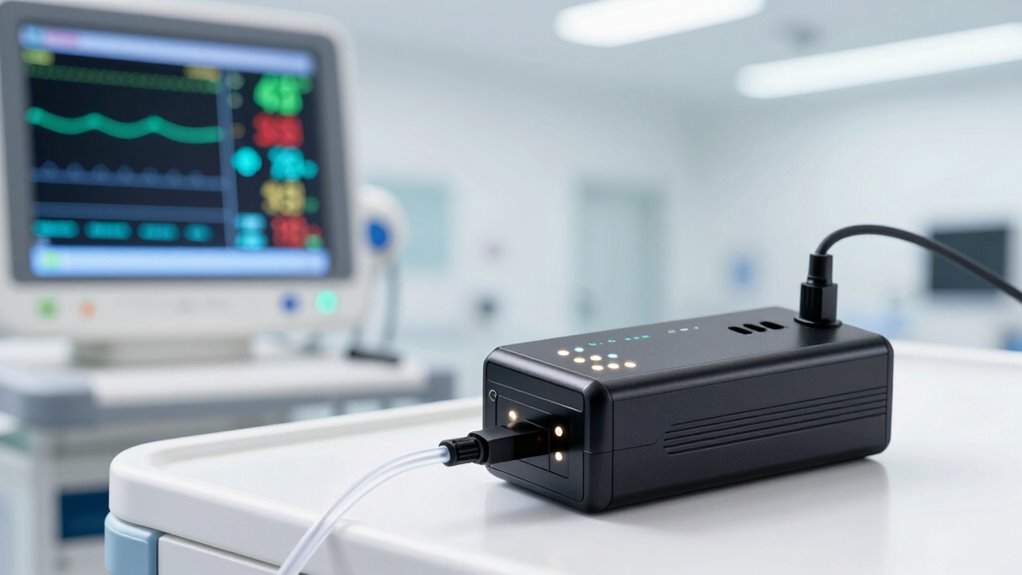

Backup batteries for medical devices help protect you against power outages that can interrupt vital patient monitoring and treatments. They provide reliable energy to keep life-sustaining equipment working during electrical failures, preventing dangerous lapses in care. Properly managed backup batteries extend device uptime, guarantee continuous operation, and support healthcare safety. By understanding the latest technologies and management practices, you can make certain these batteries keep your essential devices ready when most needed—if you keep exploring, you’ll discover how to optimize their effectiveness.

Get the little things that make your day delivered free with Prime
- Fast, free delivery on millions of items
- Prime Video, Amazon Music and more included
- Member-only deals all year
Key Takeaways
- Power outages that could disrupt critical medical device operation
- Equipment failures caused by unstable or interrupted power supplies
- Interruptions in patient monitoring and life-support systems
- Unexpected electrical surges or voltage fluctuations damaging devices
- Delays in medical treatment due to loss of power during emergencies
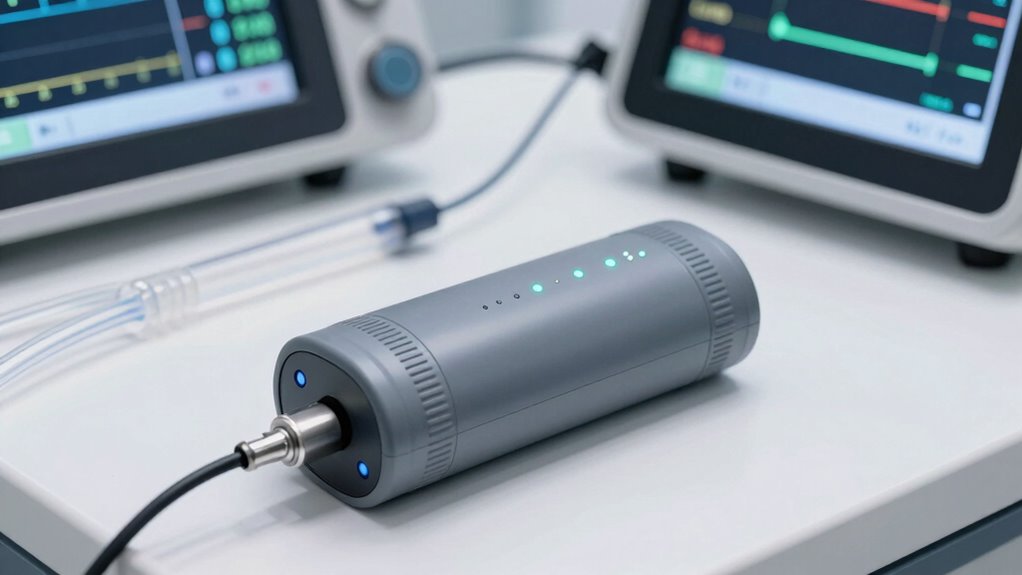
Backup batteries for medical devices are designed precisely to address this concern, providing a dependable power source when the main supply fails. These batteries help protect against interruptions that could jeopardize patient care, ensuring continuous operation of life-sustaining equipment like ventilators, infusion pumps, and monitors. Without them, even a brief power loss could lead to dangerous lapses in treatment, making backup batteries an essential component of healthcare safety. Incorporating reliable energy sources can further enhance overall safety measures for critical medical equipment. Power management plays an essential role in how effectively backup batteries serve their purpose. Well-designed systems maximize the use of stored energy, allowing devices to operate smoothly during outages. They monitor battery status, manage charging cycles, and guarantee that power is delivered reliably when needed most. This careful management extends the battery’s overall lifespan, so it remains functional and trustworthy over time. Proper power management not only maintains device operation but also helps prevent premature battery failure, which could leave patients vulnerable during critical moments. Additionally, battery monitoring systems can provide real-time insights into battery health, enabling proactive maintenance and reducing unexpected failures. Implementing advanced power management techniques can optimize energy consumption and further improve reliability. As technology advances, smart battery systems are increasingly integrated into healthcare environments to enhance safety and efficiency. Furthermore, ongoing research into energy storage innovations aims to develop longer-lasting and more efficient backup solutions for critical medical devices. Ultimately, backup batteries serve as a fundamental safety net, protecting against power disruptions that could have severe health consequences. They guarantee devices stay operational during outages, supporting continuous care and monitoring. Effective power management maximizes their efficiency, prolongs battery lifespan, and assures that they will perform when it’s most critical. Investing in durable, well-maintained backup batteries means you’re safeguarding health, minimizing risks, and maintaining the integrity of medical treatments during unforeseen events. It’s a proactive step toward ensuring that no power outage can compromise patient safety or the quality of care you rely on daily.
As an affiliate, we earn on qualifying purchases.
Frequently Asked Questions
How Long Do Backup Batteries Typically Last During an Outage?
Backup batteries usually last between 4 to 24 hours during an outage, depending on their battery lifespan and the power demands of your medical device. If your device consumes more energy, the outage duration may shorten the backup time. To guarantee continuous protection, it’s crucial to select batteries with appropriate capacity and regularly check their charge levels, especially if outages are frequent or prolonged.
Are Backup Batteries Compatible With All Medical Device Brands?
You might think all backup batteries fit seamlessly, but sadly, they’re not one-size-fits-all. Battery compatibility varies, and not every backup battery integrates smoothly with your medical device. You’ll need to check device specifications and manufacturer recommendations to guarantee proper device integration. Otherwise, you risk a false sense of security, like a backup battery that refuses to power your critical devices when you need them most.
What Maintenance Is Required for Backup Batteries?
You need to regularly perform maintenance procedures to guarantee backup batteries stay reliable. Check the battery lifespan by inspecting for signs of wear or corrosion, and replace batteries as recommended by the manufacturer. Keep an eye on charge levels, and test backup power functionality periodically. Proper maintenance prolongs battery life and guarantees your medical devices remain protected during power outages, ensuring patient safety and device readiness.
How Do Backup Batteries Impact Medical Device Warranty?
Think of backup batteries as the guardians of your medical devices, ensuring they function seamlessly. They can impact your device’s warranty by highlighting proper maintenance—like monitoring battery lifespan—and demonstrating responsible operation. If backup batteries are neglected or improperly maintained, warranty claims might be denied. So, by keeping your backup batteries in top shape, you’re not just protecting your device but also safeguarding your warranty coverage.
Are There Any Regulations Governing Backup Battery Use in Medical Devices?
Yes, regulations govern backup batteries in medical devices, requiring compliance with standards like IEC 60601-1 for electrical safety and battery chemistry. You must guarantee the batteries meet specific performance and safety criteria, including proper capacity and durability, to maintain device reliability. Regulatory bodies, such as the FDA, oversee these standards, so you should verify that your backup batteries adhere to all relevant guidelines to ensure safety and legal compliance.
Conclusion
In today’s world, backup batteries are your lifeline, ensuring your medical devices keep working through power outages or technical glitches. Just like the trusty lantern in a Victorian explorer’s kit, these batteries provide peace of mind when you need it most. So, don’t wait for a storm to strike—stay prepared and safeguard your health with reliable backup power. Remember, in the domain of medical devices, a good backup is your modern-day hero.
NFL season / tailgating Picks
team gear
As an affiliate, we earn on qualifying purchases.