

To provide truly inclusive elderly care, it’s essential to embrace cultural sensitivity by respecting diverse traditions, languages, and customs. Learn and incorporate their dietary preferences, such as traditional foods or religious restrictions, to enhance well-being. Communicate with patience using translation tools or basic phrases, and be mindful of cultural practices and social norms. Building trust through understanding fosters a safe, respectful environment. Keep exploring these practices to create more compassionate, effective care for every senior.

Get the little things that make your day delivered free with Prime
- Fast, free delivery on millions of items
- Prime Video, Amazon Music and more included
- Member-only deals all year
Key Takeaways
- Incorporate diverse dietary preferences to respect cultural food customs and enhance seniors’ well-being.
- Use multilingual communication tools and basic language skills to bridge language barriers effectively.
- Recognize and accommodate religious practices, rituals, and cultural customs to foster comfort and trust.
- Educate staff on cultural norms related to social interactions, personal space, and gender sensitivities.
- Engage seniors in care planning to ensure their cultural needs and preferences are actively considered and respected.
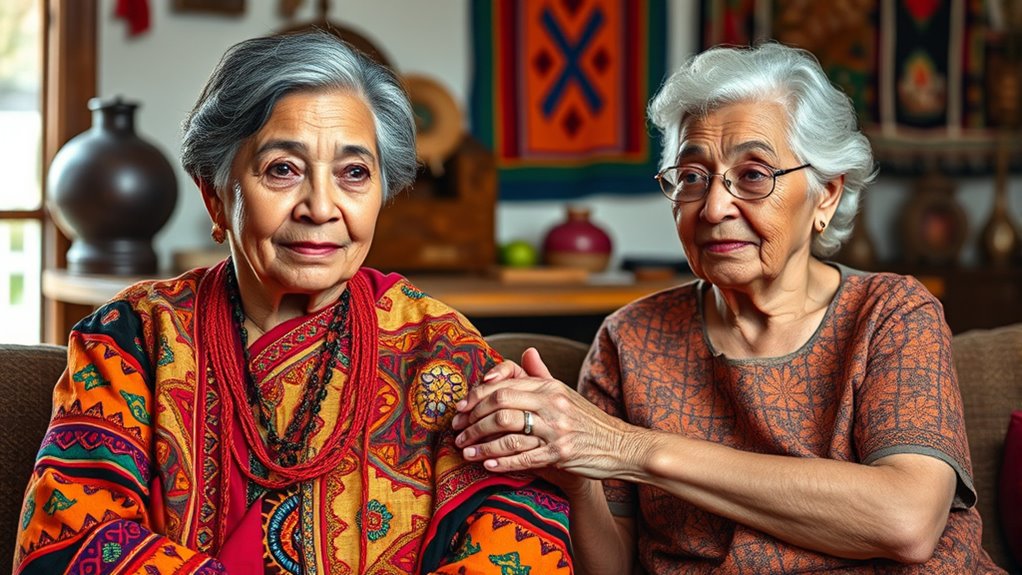
Cultural sensitivity plays a crucial role in providing quality elderly care, as understanding and respecting diverse backgrounds can greatly improve the well-being of seniors. When you recognize the importance of cultural differences, you create a more welcoming environment that fosters trust and comfort. One key aspect to consider is traditional diets, which are deeply rooted in a person’s cultural identity. Many seniors have specific dietary preferences based on their cultural backgrounds, and honoring these can substantially impact their health and happiness. For example, some may prefer vegetarian dishes, while others rely on specific herbs or spices integral to their cuisine. You should make an effort to learn about these dietary customs and incorporate them into meal planning. Doing so not only ensures nutritional needs are met but also shows respect for their cultural heritage. Additionally, understanding cultural food practices can help prevent misunderstandings or accidental disrespect during meal service.
Language barriers can present a significant challenge in elderly care, making clear communication essential. If a senior struggles to understand or be understood, it can lead to feelings of frustration, confusion, and isolation. To overcome this, you might use multilingual staff, translation tools, or visual aids to facilitate communication. Learning basic phrases or common terms in a senior’s native language can also demonstrate your genuine effort to connect. When language barriers are addressed with patience and empathy, seniors feel more valued and understood, which enhances their overall care experience.
Cultural sensitivity involves more than just diet and language. It extends to understanding different customs, religious practices, and social norms that influence how seniors perceive healthcare and daily routines. For instance, some cultures may prefer certain prayer times or rituals, and accommodating these needs can make a big difference in their comfort level. You should also be aware of differences in personal space, gender interactions, and decision-making processes. Respecting these nuances helps build trust and encourages seniors to participate actively in their care plans.
Products Worth Considering

Samsung 48-Inch S90H OLED 4K Smart TV (2026)

Levoit Core 600S-P Smart Air Purifier for Large Rooms

Samsung 42-Inch S90H OLED 4K Smart TV Bundle
As an affiliate, we earn on qualifying purchases.
Frequently Asked Questions
How Can Caregivers Learn About Diverse Cultural Traditions?
To learn about diverse cultural traditions, you should actively seek cultural awareness by engaging with elders and community members, asking respectful questions, and listening carefully. Attend cultural events or workshops to observe tradition integration firsthand. Reading books, watching documentaries, and exploring online resources also help broaden your understanding. Consistently showing curiosity and openness fosters trust and guarantees you provide respectful, inclusive care that honors each individual’s unique cultural background.
What Are Common Cultural Misunderstandings in Elderly Care?
You often encounter cultural misunderstandings in elderly care through stereotypes and age-related biases. These can lead to miscommunication, overlooked needs, or inappropriate care approaches. Be aware that assumptions based on a person’s culture or age might prevent you from seeing their individual preferences. To avoid this, actively listen, ask respectful questions, and stay open-minded, ensuring you provide respectful, personalized care that honors each elder’s unique background.
How to Handle Language Barriers Effectively?
To handle language barriers effectively, you should use clear, simple language and avoid jargon. Rely on translation services or tools to bridge communication gaps, and be mindful of translation challenges like subtle nuances. Non-verbal communication also plays a crucial role—use gestures, facial expressions, and body language to convey understanding. Patience and active listening demonstrate respect, helping you connect better despite language differences.
Are There Specific Dietary Considerations for Different Cultures?
Think of your elderly clients as a garden of diverse blooms. You must honor their roots by respecting cultural dietary restrictions and traditional food practices. Some may avoid pork or prefer vegetarian dishes, while others cherish specific spices or preparation methods. By understanding these nuances, you nourish not just their bodies but also their cultural identity, creating a caring environment where every individual feels valued and respected.
How to Respect Religious Practices in Care Routines?
You can respect religious practices by incorporating spiritual accommodations into care routines and ensuring ritual integration is seamless. Ask residents about their spiritual needs and preferred practices, and adapt your schedule accordingly. Respect sacred symbols and rituals, and provide necessary items like religious texts or prayer spaces. By actively listening and accommodating individual spiritual preferences, you create a respectful environment that honors their faith and enhances their well-being.
Conclusion
By embracing cultural sensitivity, you create a more inclusive environment where elderly individuals feel respected and understood. Did you know that over 60% of seniors from diverse backgrounds report feeling unheard in healthcare settings? Incorporating inclusive practices not only improves their well-being but also fosters trust and better outcomes. So, make cultural awareness a priority in your care approach—it’s the key to truly compassionate and effective elderly care.