
Expanding home-based and community care services guarantees you have better access to personalized, flexible support outside traditional settings. This growth relies on a skilled workforce, innovative funding models, and technology like telehealth to improve care quality and efficiency. As services expand, wait times decrease and more tailored options become available to meet individual needs. To discover how these advancements might impact you and your community, keep exploring the latest developments in this essential sector.
Key Takeaways
- Expanding services improves accessibility, reduces wait times, and offers personalized, community-based care options.
- A skilled, adaptable workforce is essential to meet increased demand and diverse client needs.
- Innovative funding models, including public-private partnerships, support sustainable service growth.
- Technology integration enhances service efficiency, remote monitoring, and client engagement.
- Person-centered approaches empower individuals, improving outcomes and fostering investment in community care.

Home-based and community care services provide essential support that allows individuals to live independently while receiving necessary assistance. As these services expand, you’ll notice a growing reliance on a well-trained and adaptable care workforce to meet increasing demand. The care workforce is the backbone of community care, comprising professionals such as personal care aides, nurses, social workers, and support staff. Their skills and compassion directly influence the quality of care you receive. As demand rises, there’s a push to recruit, train, and retain more workers, ensuring they’re equipped with the latest skills to handle diverse needs. This expansion demands a flexible and robust workforce capable of delivering personalized care in various settings.
A skilled, adaptable care workforce is essential for expanding community-based support and personalized home care services.
Funding models play a pivotal role in shaping how these services grow and improve. Governments and private entities are adopting different funding strategies to support expanded community care. Traditional models often relied heavily on government funding, but new approaches are emphasizing mixed funding streams, including public-private partnerships and individual contributions. These models aim to increase resource availability without overburdening taxpayers. For you, this means more accessible services, shorter wait times, and a broader array of care options tailored to your needs. Innovative funding strategies also promote efficiency, encouraging providers to optimize resources and deliver higher-quality care.
As the expansion accelerates, you’ll notice a shift toward more person-centered approaches that focus on your preferences, routines, and goals. This shift is driven by a recognition of the importance of empowering individuals to maintain their independence. To support this, the care workforce is being trained not only in clinical skills but also in communication, cultural sensitivity, and personalized care planning. Funding models increasingly prioritize outcomes and quality measures, rewarding providers who demonstrate positive impacts on clients’ well-being. This creates a cycle where better care attracts more investment, further fueling the expansion of community-based services. Additionally, integrating offensive security measures like ethical hacking principles can help safeguard sensitive health data and ensure privacy as digital health solutions expand.
Furthermore, technological advancements are integrating into care models, making services more accessible and efficient. Telehealth, remote monitoring, and digital communication tools are enabling care workers to serve more clients effectively while maintaining high standards. These innovations, supported by forward-thinking funding models, help ensure that expanded services are sustainable and adaptable to future needs.
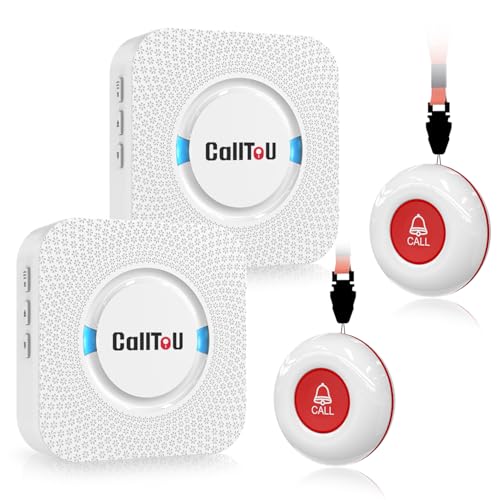
CallToU Wireless Caregiver Pager Smart Call System 2 SOS Call Buttons/Transmitters 2 Receivers Nurse Calling Alert Patient Help System for Home/Personal Attention Pager 500+Feet Plugin Receiver
[ Wireless Guard ] 2 Receiver 2 Call Button. Allow caregivers and residents to be free while ensuring…
As an affiliate, we earn on qualifying purchases.
As an affiliate, we earn on qualifying purchases.
Frequently Asked Questions
How Are Care Service Providers Regulated and Monitored?
You, as a care service provider, are regulated through mandatory licensing and regular compliance monitoring. Authorities review your licensing to make certain adherence to legal standards, safety, and quality care. They conduct inspections and audits periodically to verify compliance, address any issues, and maintain high service standards. This oversight helps protect clients and guarantees that your care services meet the required regulations and quality benchmarks consistently.
What Training Do Home Care Workers Receive?
Like a seasoned gardener tending fragile blooms, you’ll find home care workers undergo rigorous training programs that meet strict standards. They earn care worker certification, ensuring they’re equipped with essential skills and knowledge. This training covers everything from basic caregiving to emergency protocols. By adhering to these program standards, your caregiver’s competence and compassion grow, providing you with the confidence that you’re in capable hands, nurturing your well-being with dedication.
How Is Service Quality Evaluated and Improved?
You evaluate service quality by gathering client feedback regularly and analyzing it for patterns. Using quality assurance protocols, you identify areas needing improvement and implement targeted training or process changes. Continually monitoring these efforts guarantees services meet standards, enhancing client satisfaction. By actively listening to clients and maintaining rigorous quality assurance, you create a responsive, high-quality care environment that adapts to clients’ evolving needs.
Are There Subsidies or Financial Assistance Available?
Like dialing up a rotary phone in a smartphone era, yes, you can access subsidies and financial support for home-based and community care. Various subsidy programs help alleviate costs, making care more affordable. You might qualify for government assistance or community grants, depending on your circumstances. These programs aim to guarantee that everyone receives quality care without financial strain, so check with local agencies to find the best options for your needs.
How Do Clients Choose the Right Care Services?
You choose the right care services by considering personalized care options that match your needs and preferences. Think about cultural considerations that are important to you, ensuring services respect your background and values. Research providers, ask questions about their approach, and consult with health professionals or family members. This way, you can confidently select services that offer the support and respect you deserve, making your care experience comfortable and effective.

Telehealth in Urology
As an affiliate, we earn on qualifying purchases.
As an affiliate, we earn on qualifying purchases.
Conclusion
By expanding home-based and community care services, you’re helping more people stay independent and connected to their communities. Did you know that nearly 80% of seniors prefer to receive care at home? This shift not only improves quality of life but also reduces healthcare costs. Embracing these services means you’re supporting a more compassionate, accessible system that puts individuals first. Together, we can make aging and recovery more comfortable and community-centered.

Krinisou Positive Animals Crochet Shark Gift – Emotional Comfort Shark Plush with Support Message, Self Care and Mental Health Gift, Uplifting Thinking of You Gifts for Women Men
Cute Shark Stuff: A chubby crochet shark that brings a daily encouragement.Its gentle smile and message offers emotional…
As an affiliate, we earn on qualifying purchases.
As an affiliate, we earn on qualifying purchases.

Vive Stand Assist – Mobility Standing Aid Rail for Couch, Chair – Assistance Handle for Patients, Elderly, Seniors and Disabled – Safety Grab Bar for Sitting, Sofa, Home – Adjustable, Portable Device
STAND UP WITH GREATER EASE USING A TRUSTED BRAND: Providing safe, stable assistance, the Stand Assist by Vive…
As an affiliate, we earn on qualifying purchases.
As an affiliate, we earn on qualifying purchases.