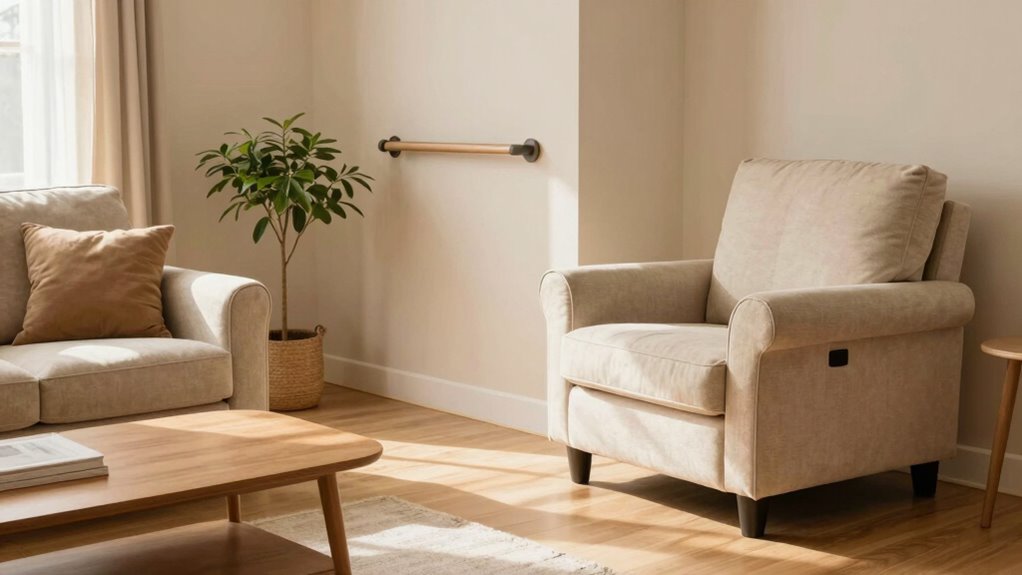

To build a more supportive home for aging solo, focus on safety and automation. Install grab bars, non-slip flooring, and improve lighting to prevent falls. Incorporate smart technology like automated locks, emergency alerts, and voice assistants for convenience and quick responses. Gradually add modifications that suit your needs, ensuring your home remains adaptable. Combining physical safety with automation creates a secure space for independence. Keep exploring for ideas on making your home even more comfortable and safe.

Get the little things that make your day delivered free with Prime
- Fast, free delivery on millions of items
- Prime Video, Amazon Music and more included
- Member-only deals all year
Key Takeaways
- Incorporate physical safety modifications like grab bars, non-slip flooring, and improved lighting to prevent falls.
- Install home automation systems such as smart lighting, locks, and voice assistants for safety and convenience.
- Gradually add safety features tailored to individual needs, ensuring non-intrusive and customizable solutions.
- Use remote monitoring and alerts for emergencies like leaks, smoke, or CO to enhance safety.
- Combine physical modifications with automation for a comprehensive, long-term support system promoting independence.
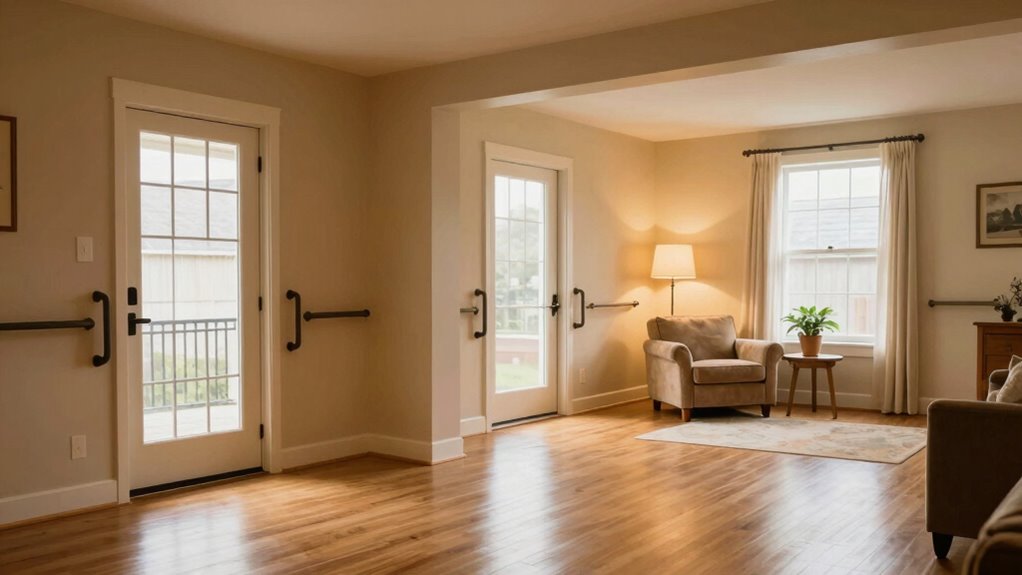
As you age alone, creating a home that supports your independence and safety becomes vital. One of the most effective ways to do this is by integrating home automation systems. These technologies can help you stay in control of your environment and alert you to potential issues before they escalate. Smart lighting, for example, can be programmed to turn on automatically when you enter a room or at specific times, reducing the risk of falls in the dark. Automated door locks and security systems allow you to monitor and control access remotely, giving you peace of mind when you’re away or unable to respond quickly. Voice-activated assistants can help you manage daily tasks like setting reminders, making phone calls, or even controlling other smart devices, making your home more intuitive and accessible. These automation features not only add convenience but also enhance safety by reducing hazards and ensuring you can respond swiftly in emergencies.
Alongside technology, safety modifications are key to creating a supportive home environment. Simple adjustments like installing grab bars in bathrooms and handrails along staircases can make a significant difference in preventing falls. Adding non-slip flooring throughout your home, especially in areas prone to moisture such as kitchens and bathrooms, can further reduce accident risks. Adequate lighting is essential—consider installing brighter bulbs and motion-sensor lights in hallways and entry points to prevent trips and falls at night. Widening doorways or removing thresholds can improve mobility if you use a walker or wheelchair, making navigation easier and safer. You might also want to think about lowering countertops and switches to more accessible heights, so you don’t need to stretch or strain. These modifications don’t have to be intrusive; many can be done gradually and tailored to your specific needs. Incorporating home automation for safety can further reinforce these physical adjustments and provide additional peace of mind. Staying informed about assistive technology options can help you select the most suitable solutions for your evolving needs. For example, remote monitoring systems can give family members peace of mind while you maintain independence. Incorporating home automation into your safety plan not only offers proactive monitoring but can also adapt to your changing circumstances over time.
Combining home automation with safety modifications creates a thorough approach to aging solo in your home. Automation can alert you to issues like leaks, smoke, or carbon monoxide, while physical modifications reduce the chance of accidents. Both strategies work together to foster a space where you can maintain your independence longer and with confidence. Remember, building a more supportive home isn’t about making drastic changes all at once. Start with the most vital safety features and gradually incorporate automation to suit your lifestyle. By doing so, you create an environment that’s both safer and more manageable, ensuring your home continues to be a place of comfort, security, and independence for years to come.
Frequently Asked Questions
What Financial Resources Are Available for Home Modifications?
You can explore financial grants from local or state programs designed to assist with home modifications for aging. Additionally, check if your home insurance offers coverage or discounts for accessibility upgrades. Some nonprofits also provide funding or resources for seniors making necessary modifications. Combining these options can help make your home safer and more supportive, ensuring you have the financial support needed to implement essential changes.
How Can I Ensure Safety Without Making the Home Feel Clinical?
You can guarantee safety without creating a clinical vibe by blending home décor with personal safety. Use stylish grab bars that double as art, add colorful rugs with non-slip backing, and incorporate soft, warm lighting. Keep pathways clear, but choose furniture that feels inviting. This approach balances safety with comfort, making your space both secure and welcoming—so you feel protected without sacrificing your home’s personality or warmth.
What Technology Tools Can Assist Independent Living?
You can enhance independent living with a smart home setup and assistive devices. Smart home technology, like voice-activated lights, thermostats, and security cameras, allows you to control your environment easily. Assistive devices such as grab bars, fall detectors, and medication reminders support safety and daily routines. These tools help you stay autonomous while providing peace of mind, making your home more supportive without sacrificing comfort or independence.
How Do I Plan for Emergency Situations at Home?
You should create a clear emergency preparedness plan, outlining safety protocols for various situations like fires or medical emergencies. Keep emergency contacts, medical info, and essential supplies easily accessible. Install safety features such as smoke detectors and emergency alert systems. Regularly review and practice your plan to stay prepared. Staying proactive guarantees you can respond quickly and effectively, maintaining safety and peace of mind in your home.
How Can I Involve Family or Community in Support Plans?
Think of your support network as a woven fabric—each strand, from family involvement to community engagement, strengthens the whole. You can involve family by holding regular check-ins and sharing plans, and engage your community through local groups or volunteer programs. For example, I once joined a neighborhood safety patrol that became a crucial support system. Your proactive approach guarantees you’re never alone, creating a safety net that’s both strong and adaptable.
Conclusion
Picture your home as a warm, sturdy tree, its branches gently cradling you in comfort and safety. By making thoughtful adjustments—like clear pathways, easy-to-reach essentials, and supportive features—you create a sanctuary where independence flourishes. As you nurture this space, it becomes a haven where every step feels steady, and every moment is wrapped in reassurance. With these changes, your home not only supports you but welcomes you with open arms, aging gracefully alongside you.
Halloween Picks
halloween
As an affiliate, we earn on qualifying purchases.