
TL;DR

Get the little things that make your day delivered free — and shop member deals
- Fast, free delivery on millions of items
- Access to Prime Big Deal Days deals on October 6–7
- Prime Video, Amazon Music and more included
Self-improving artificial intelligence is emerging as a key driver of technological innovation, but experts warn it is putting significant strain on data center resources. The trend is attracting growing attention, though specifics remain unconfirmed.
Emerging self-improving artificial intelligence systems are gaining attention for their potential to accelerate technological innovation, but experts warn they are also placing increased strain on data center infrastructure. While the development offers promising opportunities, the capacity and energy demands of supporting such AI are raising concerns among industry analysts and infrastructure providers.
Recent industry trends show a surge in interest around self-improving AI, which refers to systems capable of autonomously enhancing their own algorithms and performance over time. This advancement is viewed as a major step toward more autonomous, efficient AI applications across sectors such as healthcare, finance, and manufacturing.
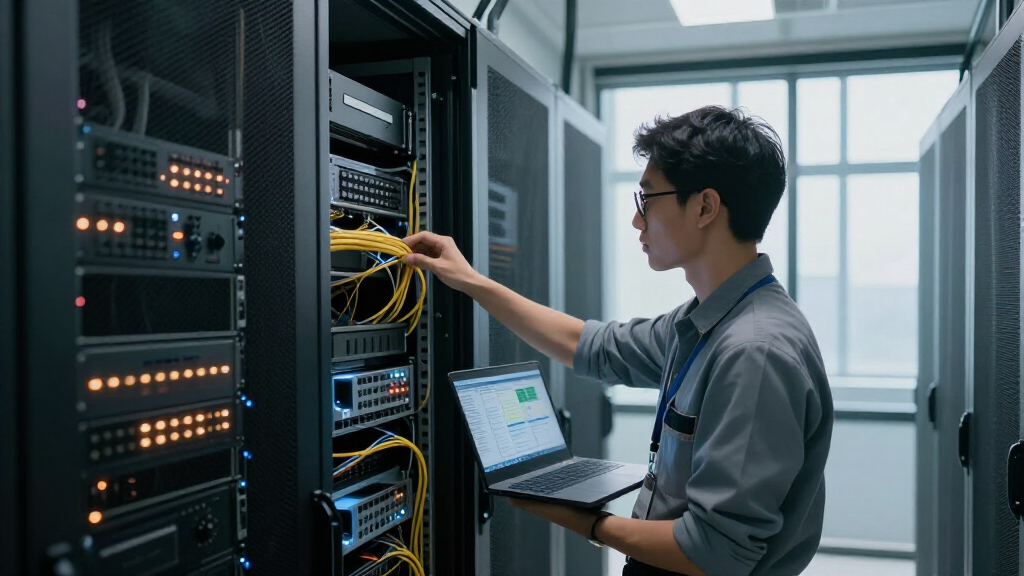
However, supporting these systems requires substantial computational power, leading to increased load on data centers. Experts note that current infrastructure may struggle to keep pace with the growth in demand, especially given the energy-intensive nature of training and running advanced AI models. While specific figures are not yet confirmed, reports suggest that data center utilization linked to AI workloads has risen significantly in recent months.
Industry insiders emphasize that this trend is still in its early stages, and the full scope of impact remains uncertain. Some analysts warn that without significant upgrades, data centers could face bottlenecks, impacting AI development timelines and operational costs.
Implications of AI-Driven Innovation and Infrastructure Stress
This development matters because self-improving AI systems could revolutionize industries by enabling faster, more efficient problem-solving and automation. However, the associated strain on data centers raises concerns about scalability, energy consumption, and environmental impact. If infrastructure cannot keep pace, it could slow innovation, increase costs, and exacerbate sustainability challenges.
Understanding and managing these pressures will be crucial for policymakers, industry leaders, and technology developers aiming to harness AI’s potential responsibly and sustainably.
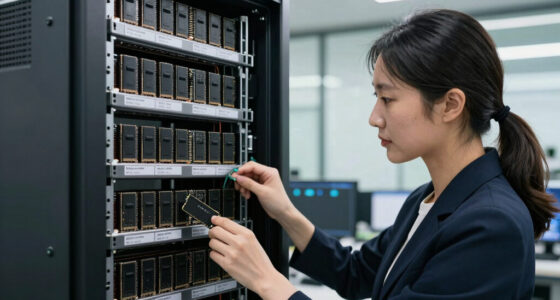
high performance external hard drives for data centers
As an affiliate, we earn on qualifying purchases.
As an affiliate, we earn on qualifying purchases.
Background on Self-Improving AI and Data Center Demands
Self-improving AI, also known as recursive or autonomous AI, has been a topic of research and development for several years. Recent advances in machine learning and neural networks have accelerated progress, with some systems demonstrating the ability to optimize their own algorithms without human intervention.
Simultaneously, data centers — the backbone of cloud computing and AI infrastructure — have experienced steady growth. The rise of AI workloads, especially training large models, has already increased energy consumption and hardware demands. The current trend toward self-improving AI is seen as a potential catalyst for exponential growth in these demands, though detailed data remains limited.
While industry reports highlight a spike in interest and investment, specifics about the scale and future trajectory of this trend are still emerging, and the full impact on infrastructure is yet to be assessed.
Unconfirmed Aspects of AI Growth and Infrastructure Impact
It is not yet clear how quickly self-improving AI systems will scale globally or what specific infrastructure upgrades will be necessary. The exact increase in energy consumption and hardware requirements remains uncertain, as does the potential for bottlenecks or failures in data center capacity. Industry estimates vary, and detailed quantitative data is still emerging.
Monitoring Infrastructure Developments and AI Advancements
Experts anticipate ongoing research and investment aimed at expanding data center capacity and improving energy efficiency. Industry groups and policymakers are expected to examine sustainable solutions and infrastructure upgrades in response to rising AI demands. Further studies and technical assessments are likely to clarify the scale of the challenge and the most effective mitigation strategies in the coming months.
Key Questions
What is self-improving AI?
Self-improving AI refers to systems capable of autonomously enhancing their algorithms and performance over time without human intervention, potentially leading to faster innovation.
Why does this trend strain data centers?
Supporting advanced, self-improving AI requires substantial computational power and energy, increasing the load on data centers and potentially leading to capacity and sustainability challenges.
Are data centers currently prepared for this growth?
While some data centers are upgrading, experts warn that existing infrastructure may struggle to keep pace with the rapid increase in AI workloads, and comprehensive capacity planning is ongoing.
What are the environmental implications?
The increased energy consumption associated with AI workloads raises concerns about carbon footprint and sustainability, prompting calls for more energy-efficient hardware and renewable energy use.
What happens next in this development?
Industry stakeholders will likely focus on expanding infrastructure capacity, improving energy efficiency, and developing standards to manage AI growth sustainably. Further research will clarify the full impact of self-improving AI on data center infrastructure.
Source: rss
Fall Picks
fall essentials
As an affiliate, we earn on qualifying purchases.