TL;DR

Get the little things that make your day delivered free with Prime
- Fast, free delivery on millions of items
- Prime Video, Amazon Music and more included
- Member-only deals all year
The United States’ 250th Independence Day celebrations are facing disruptions as many states enforce burn bans, leading to cancellations or reductions of fireworks displays. The conflicts highlight ongoing drought issues and safety concerns.
Many scheduled fireworks displays across the United States for the 250th Independence Day celebration have been canceled or scaled back due to widespread burn bans enacted in multiple states amid ongoing drought conditions.
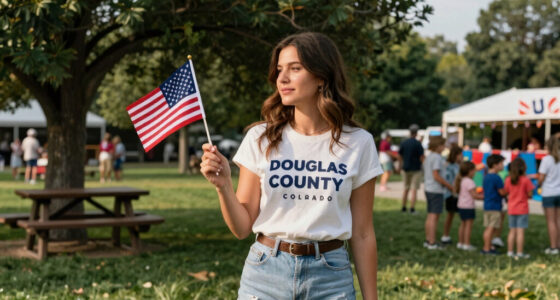
As the nation prepares to mark its 250th anniversary on July 4th, numerous local governments and event organizers have announced cancellations or reductions of fireworks shows. These decisions are driven by current drought conditions that have prompted authorities to impose burn bans aimed at preventing wildfires.
States including California, Colorado, Nevada, and parts of the Midwest have officially restricted outdoor fires and fireworks, affecting large public celebrations. While some communities are seeking alternative festivities, many are unable to hold traditional fireworks displays, citing safety concerns and legal restrictions.
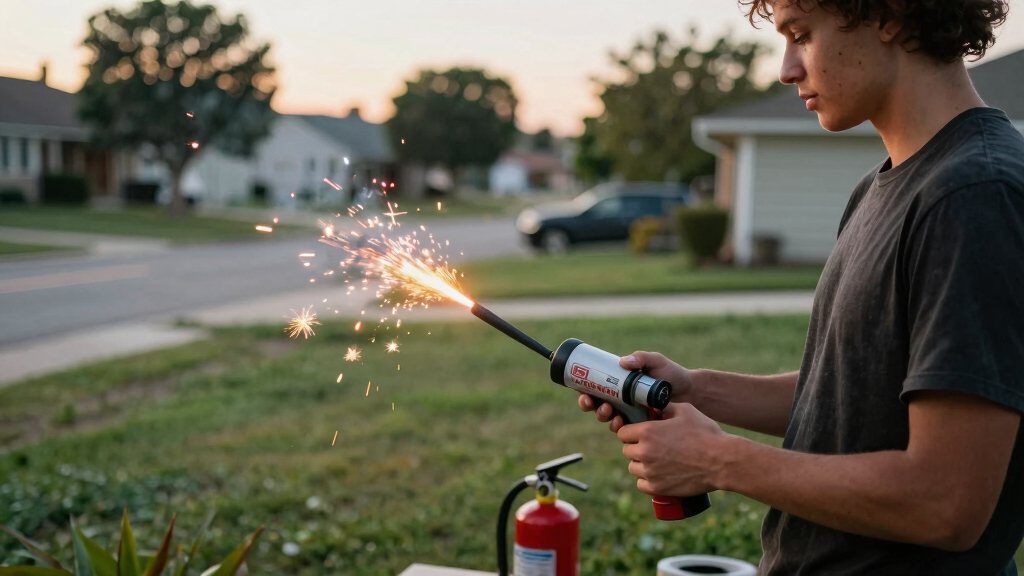
Officials emphasize that these measures are necessary to reduce wildfire risks during a period of extreme drought, which has already led to several small fires in affected regions. The cancellations are impacting millions of Americans who traditionally celebrate with fireworks on Independence Day.
Impacts of Firework Cancellations on National Celebrations
The cancellations of fireworks displays highlight the ongoing drought crisis affecting large parts of the country. They also reflect the balancing act between celebrating national milestones and ensuring public safety. For many Americans, fireworks are a central part of the holiday, and cancellations could alter traditional festivities, impacting community morale and the economic activity associated with holiday events.
firework alternative celebration ideas
As an affiliate, we earn on qualifying purchases.
As an affiliate, we earn on qualifying purchases.
Drought Conditions and Firework Restrictions Across the U.S.
Over the past year, drought conditions have worsened in many regions, driven by below-average rainfall and high temperatures. These conditions have led to burn bans in numerous states, with authorities emphasizing wildfire prevention. The National Weather Service reports that several areas are experiencing drought levels not seen in decades, prompting strict outdoor fire restrictions during peak holiday season.
Historically, July 4th celebrations have included large fireworks displays, often funded or organized by local governments. However, increasing wildfire risks have led to more frequent restrictions, with some regions banning all outdoor fireworks since last year. The 250th anniversary has heightened attention, but safety concerns are overriding celebratory traditions.
While some communities are exploring alternative events like parades and concerts, many are unable to hold traditional fireworks shows, citing legal restrictions and safety advisories.
“We have issued a statewide burn ban to prevent wildfires during this extreme drought, which means no fireworks or outdoor fires are permitted in most areas.”
— California Fire Authorities
Extent and Duration of Firework Restrictions Still Unclear
While many states have announced burn bans and restrictions, it is not yet clear how long these measures will remain in effect or whether additional regions will impose similar restrictions. Some communities are considering alternative celebrations, but details are still emerging.
Monitoring Future Firework Policies and Community Celebrations
Authorities are expected to reassess drought and fire risk levels in the coming weeks, which could lead to extensions or relaxations of burn bans. Communities may seek alternative ways to celebrate Independence Day, such as virtual events or smaller gatherings without fireworks.
Officials advise residents to stay informed about local restrictions and safety guidelines as the holiday approaches.
Key Questions
Why are fireworks being canceled for the 250th anniversary?
Fireworks are being canceled due to widespread burn bans enacted across many states, aimed at preventing wildfires during severe drought conditions.
Which states are most affected by the restrictions?
States including California, Colorado, Nevada, and parts of the Midwest are among those most impacted, with official burn bans in place.
Will there be alternative celebrations without fireworks?
Yes, some communities are planning alternative events like parades and concerts, but many traditional fireworks displays are canceled or scaled back.
How long might the restrictions last?
The duration of burn bans is uncertain and depends on weather conditions and drought severity, with authorities expected to reassess in the coming weeks.
What should residents do if they want to celebrate safely?
Residents should follow local government advisories, avoid outdoor fires and fireworks, and consider participating in safe, alternative celebrations.
Source: google-trends
Fall Picks
fall essentials
As an affiliate, we earn on qualifying purchases.