
Designing a senior home around energy efficiency prioritizes safety, cost savings, and comfort, helping you manage utility bills and reduce risks of electrical failures or fire hazards. It guarantees consistent indoor temperatures, making daily life easier and supporting independence. Features like energy-efficient windows, smart thermostats, and backup systems further enhance safety and comfort. By focusing on energy, you create a home that promotes well-being and sustainability—discover more ways to optimize your space if you keep exploring.

Get the little things that make your day delivered free with Prime
- Fast, free delivery on millions of items
- Prime Video, Amazon Music and more included
- Member-only deals all year
Key Takeaways
- Prioritizing energy efficiency ensures consistent indoor temperatures, enhancing comfort and safety for seniors.
- Energy-conscious design reduces utility costs, making long-term affordability a core focus.
- Incorporating energy-saving features minimizes electrical failures and fire hazards, promoting safety.
- Sustainable energy solutions support independence by providing reliable power and reducing maintenance needs.
- Combining energy efficiency with style creates a healthy, comfortable, and cost-effective living environment tailored for seniors.
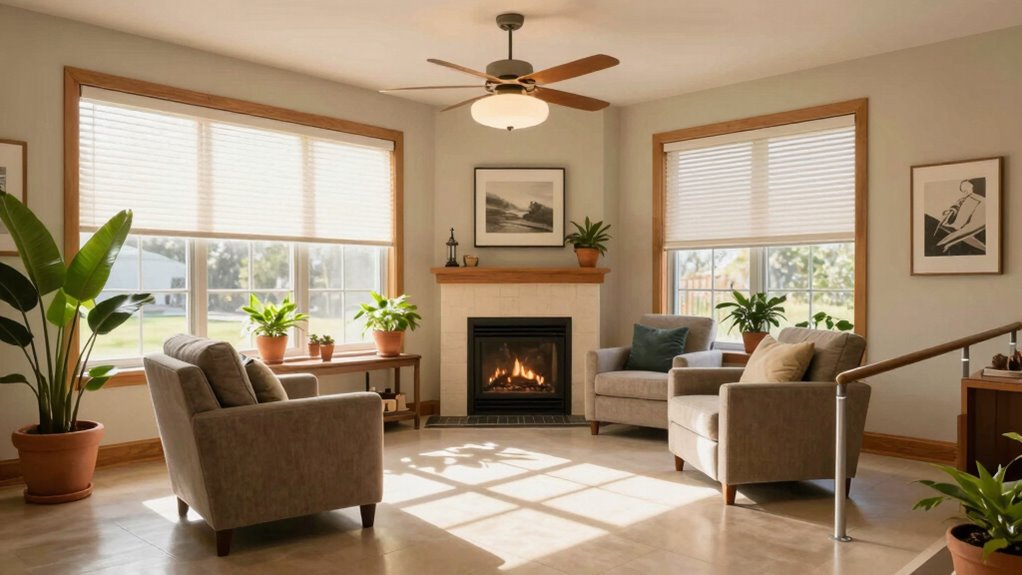
Designing a senior home requires thoughtful planning to guarantee safety, comfort, and accessibility. While style can influence your decisions, focusing on energy efficiency should be your priority. An energy-conscious design not only reduces utility costs but also creates a more sustainable living environment. When considering assistive technology, you’ll find that integrating energy-efficient solutions can enhance safety features, making daily routines easier and safer. For example, installing motion-sensor lighting minimizes the risk of falls by automatically illuminating pathways, which is especially helpful during nighttime hours. These safety features are vital in reducing accidents and providing peace of mind for both residents and caregivers.
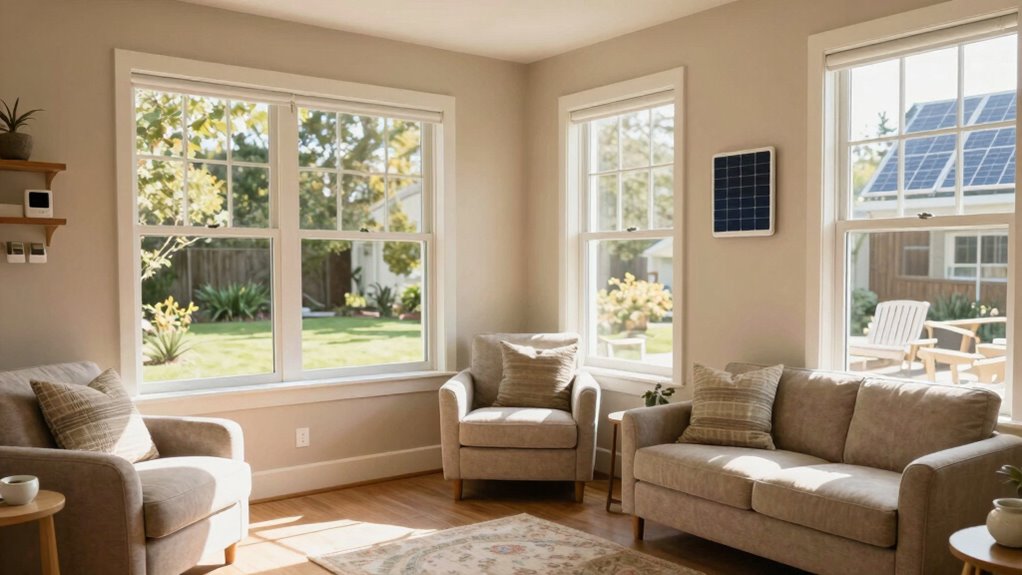
Energy-efficient windows and insulation play a pivotal role in maintaining a comfortable indoor climate. They help keep the home warm in winter and cool in summer, reducing the need for excessive heating and cooling. This consistency in temperature can lessen the strain on aging bodies and improve overall well-being. Additionally, smart thermostats allow you to easily control your home’s temperature, assuring that energy isn’t wasted and that comfort is always a priority. This focus on energy helps create a home where residents can maintain independence longer, with fewer disruptions caused by uncomfortable or unsafe conditions. Incorporating energy-efficient systems can also improve overall home safety by reducing the likelihood of electrical failures or fires caused by outdated equipment. Regular maintenance of these systems is essential to ensure continued safety and efficiency.
When you design around energy, you’re also thinking about long-term savings and environmental impact. High-efficiency appliances and lighting, such as LED bulbs, consume less power and last longer, which means fewer replacements and less maintenance. These elements tie directly into safety features, as well-maintained, energy-efficient systems are less likely to fail unexpectedly. This reliability reduces emergency situations caused by electrical issues or system breakdowns. Moreover, incorporating renewable energy sources like solar panels can supplement your home’s power needs, further reducing reliance on external energy sources and lowering your carbon footprint. Understanding microplastics in dust is also important, as they can impact indoor air quality and overall health, especially for seniors with respiratory sensitivities. Additionally, utilizing energy-efficient lighting can positively influence indoor air quality, as older lighting technologies sometimes emit heat or contain hazardous substances. Investing in energy-efficient ventilation systems can further improve indoor air quality and reduce indoor pollutants, benefiting residents’ respiratory health.
In essence, energy-focused design isn’t just about aesthetics; it’s about creating a safer, more reliable, and more sustainable environment. When you prioritize energy efficiency, you’re also making room for assistive technology that enhances safety features. These combined efforts support aging in place by creating a home that adapts to your needs, saves money, and respects the environment. An understanding of standby generators can be particularly important in ensuring your home remains powered during outages, further safeguarding residents. The goal is to craft a space that doesn’t just look good but actively works to improve quality of life through smart, energy-conscious choices. This approach ensures that your senior home remains a safe, comfortable sanctuary for years to come.
Frequently Asked Questions
How Can Energy-Efficient Design Reduce Long-Term Costs?
Energy-efficient design reduces long-term costs by lowering your energy bills. You can achieve this by utilizing renewable sources like solar panels and implementing effective insulation techniques, which keep your home warmer in winter and cooler in summer. These choices decrease your reliance on traditional energy, cutting costs over time. Investing in energy-efficient features initially may seem costly, but it pays off through significant savings and a more sustainable living environment.
What Are the Best Lighting Options for Energy Savings?
You should choose LED bulb types for energy savings, as they consume less power and last longer. Incorporate lighting controls like dimmers, motion sensors, or timers to optimize energy use further. These options allow you to adjust lighting based on needs, reducing waste and lowering costs. Combining efficient bulb types with smart lighting controls creates a comfortable, energy-efficient environment that benefits both your budget and the environment.
How Does Natural Ventilation Improve Energy Efficiency?
Think of natural airflow as the invigorating gust of fresh life into your home. It improves energy efficiency by reducing the need for artificial cooling and heating, symbolizing a home that’s alive and in harmony with its environment. Ventilation benefits include lower energy bills, better air quality, and a more comfortable space for seniors. Embracing natural ventilation is like letting your home breathe freely, promoting health and sustainability.
Are There Specific Materials That Enhance Energy Conservation?
Yes, specific materials can boost energy conservation in senior homes. You should consider high-quality insulation materials, which reduce heat transfer and keep indoor temperatures stable. Thermal windows are also essential; they minimize heat loss during winter and prevent heat gain in summer. Together, these materials help maintain a comfortable environment, lower energy bills, and create a more energy-efficient home that supports seniors’ well-being.
How Can Smart Technology Optimize Energy Use in Senior Homes?
Smart technology optimizes energy use in senior homes by integrating smart sensors and automated controls. These sensors monitor lighting, temperature, and occupancy, adjusting settings in real-time to save energy. Automated controls can turn off unused appliances or dim lights when rooms are unoccupied. This not only reduces energy costs but also creates a comfortable, safe environment tailored to residents’ needs, making their home more efficient and responsive.
Conclusion
Designing a senior home around energy efficiency isn’t just smart—it’s essential. Did you know that proper insulation and energy-conscious features can cut monthly energy costs by up to 30%? By prioritizing energy, you create a space that’s comfortable, sustainable, and easier to maintain. It’s about thinking ahead, ensuring your loved ones live safely and comfortably without breaking the bank. Ultimately, a home built around energy efficiency enhances quality of life and promotes long-term well-being.
Fall Picks
fall essentials
As an affiliate, we earn on qualifying purchases.