
Gardening therapy harnesses the natural healing power of soil and plant care to boost your mental well-being. By engaging with dirt, you release feel-good chemicals like serotonin and endorphins, which lift your mood. The physical activity, sunlight, and creative expression involved foster mindfulness, resilience, and hope. Sharing your garden’s progress helps build connections and emotional strength. If you keep exploring, you’ll discover how nurturing soil can truly nurture your soul.
Key Takeaways
- Gardening releases mood-boosting chemicals like serotonin and endorphins, improving mental well-being.
- Contact with soil bacteria can reduce stress and promote relaxation, enhancing emotional health.
- Digging and physical activity stimulate endorphin levels, naturally lifting spirits.
- Focusing on nurturing plants fosters mindfulness and a sense of achievement.
- Connecting with nature through gardening provides a therapeutic escape from daily worries.
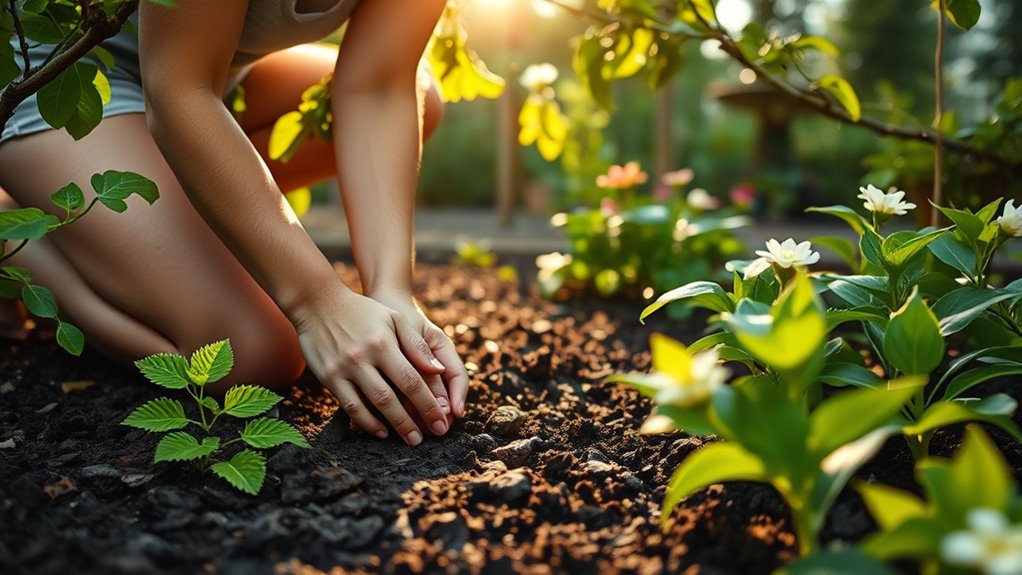
Have you ever noticed how spending time in a garden can lift your mood and reduce stress? There’s something inherently calming about tending to plants, feeling the soil between your fingers, and watching life grow under your care. This isn’t just a pleasant pastime; it’s a form of plant healing that can considerably boost your mental well-being. When you engage with nature through gardening, your brain releases feel-good chemicals like serotonin and endorphins, helping to alleviate anxiety and depression. The act of nurturing plants provides a sense of purpose and accomplishment, which can be especially valuable during challenging times. It’s a natural way to reconnect with yourself and find peace amid the chaos of everyday life.
Spending time in a garden boosts mood, reduces stress, and nurtures mental well-being through connection with nature.
The benefits of gardening go beyond mere relaxation. It creates a therapeutic environment where you can process emotions and clear your mind. As you dig, plant, and water, your focus shifts from worries to the simple, tangible act of nurturing something alive. This shift helps reduce mental clutter and promotes mindfulness, making it easier to stay present. You start to notice the small details—the texture of the leaves, the colors of the blooms, the rhythm of watering—each providing a moment of grounding. Over time, this repeated engagement fosters resilience, helping you better handle stress and emotional setbacks. It’s like giving your mind a mental reset, allowing you to approach problems with renewed clarity and calm.
Moreover, gardening encourages physical activity, which is linked to improved mental health. Moving your body in a garden—bending, digging, kneeling—stimulates the release of endorphins, naturally lifting your spirits. The outdoor environment also exposes you to sunlight, boosting vitamin D levels and further supporting your mental well-being. As you observe your plants thrive, you gain a sense of hope and optimism that spills over into other areas of your life. Watching your garden grow is a powerful reminder of growth and renewal, reinforcing positive thinking and resilience. Additionally, incorporating Gears and mechanical elements into garden design, inspired by steampunk aesthetics, can add a creative and inspiring touch that enhances your connection to the environment.
In addition, gardening fosters social connections, whether through community gardens or sharing tips with friends. These interactions can combat feelings of loneliness and provide a sense of belonging. Ultimately, investing time in your garden isn’t just about cultivating plants—it’s about cultivating your mental health. The process of plant healing nurtures your emotional resilience, helping you find balance and peace. So, the next time life feels overwhelming, consider stepping outside, digging your hands into the soil, and letting nature work its magic on your soul.

GROWIT Heavy Duty Gardening Tools – Gardening Gifts for Women, Men, Mom, Dad – Durable, Ergonomic Garden Tools Set
IDEAL GIFTS FOR MEN, WOMEN – Our gardening tools set is the ultimate gift for any men women…
As an affiliate, we earn on qualifying purchases.
As an affiliate, we earn on qualifying purchases.
Frequently Asked Questions
Can Gardening Therapy Help With Mental Health Disorders?
Gardening therapy can definitely help with mental health disorders. By engaging in hands-on activities, you practice mindfulness meditation, which helps you stay present and reduce anxiety. Gardening also promotes stress reduction as you connect with nature, providing a calming effect on your mind. As you nurture plants, you gain a sense of achievement and purpose, boosting your mood and supporting mental well-being.
What Are the Best Plants for Therapeutic Gardening?
When choosing the best plants for therapeutic gardening, focus on indoor plants and aromatic herbs. Indoor plants like snake plants or pothos brighten your space and boost mood. Aromatic herbs such as basil, lavender, or mint engage your senses and reduce stress. These plants are easy to care for, promote relaxation, and create a calming environment, making your gardening experience both enjoyable and therapeutic.
How Does Gardening Improve Physical Health?
Did you know that gardening can boost your physical health by 30%? When you work with soil health, you engage muscles, improve flexibility, and increase stamina. Using gardening tools, you can efficiently dig, plant, and nurture, which promotes cardiovascular health and burns calories. Plus, spending time outdoors reduces stress. So, get your hands dirty—gardening not only benefits your mind but also strengthens your body.
Is Gardening Suitable for Elderly or Disabled Individuals?
Gardening can be perfect for elderly or disabled individuals when you use adaptive tools and accessible design. You can enjoy planting and nurturing without strain, thanks to raised beds, ergonomic tools, and seating options. These modifications make gardening safer and more enjoyable, allowing you to connect with nature, stay active, and boost your well-being. With the right setup, gardening becomes an inclusive activity suited to your needs.
What Safety Precautions Should I Take When Gardening?
Imagine your garden as a peaceful sanctuary where safety matters. To protect yourself, always wear gloves and sturdy shoes to prevent injuries. Keep your tools well-maintained to avoid accidents, and store them properly after use. Be mindful of uneven ground and stay hydrated. Practicing garden safety not only keeps you safe but also lets you enjoy the calming benefits of gardening without worry.
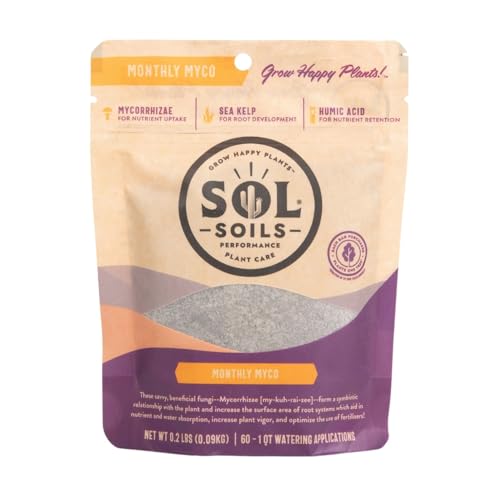
Sol Soils Sol Biotics Monthly Myco – Mycorrhizal Fungi with Beneficial Bacteria (Bacillus Species) to Support Root Health, & Overall Plant Vigor – Ultra Concentrated Mycorrhizae for Plants – 4oz
PROBIOTIC BOOST FOR ROOTS & GROWTH: This mycorrhizal inoculant, featuring mycorrhizae fungi and Bacillus bacteria, enhances root systems…
As an affiliate, we earn on qualifying purchases.
As an affiliate, we earn on qualifying purchases.
Conclusion
So, next time life’s stress leaves you feeling dirt-poor, remember that a little gardening might just be the rich, organic remedy your soul secretly craves. Who knew that digging in the dirt could turn your mood around faster than a fancy spa day? So go ahead, get your hands dirty—after all, it’s cheaper than therapy and just as effective. Turns out, the secret to happiness might be buried right beneath your fingernails.

Indoor Daisy Garden Starter Kit with Gardening Tools – Jute Bags, Markers, Soil Disks and Shears, Home Gardening Gifts for Women Men Plant Lovers
FLOWER GROWING KIT: Package comes with 5 jute bags, 5 plant markers, 5 soil disks, 1 mini shears,…
As an affiliate, we earn on qualifying purchases.
As an affiliate, we earn on qualifying purchases.

GORILLA GRIP Extra Thick Patent Pending Supportive Foam Kneeling Pad, Large Cushion Knee Pads for Gardening, Baby Bath Time, Dirt and Water Resistant, Workout and Garden Supplies, 17.5×11, Black
HIGH DENSITY FOAM FOR SUPERIOR CUSHIONING: constructed from ultra durable, high density foam, the 1.3 inch thick kneeling…
As an affiliate, we earn on qualifying purchases.
As an affiliate, we earn on qualifying purchases.