
Spending time in gardens offers numerous benefits for your mental, emotional, and physical health. You’ll experience a sense of achievement watching plants grow and feel calmer as you tend to your garden. Gardening activities improve your strength, coordination, and stamina, while the peaceful environment helps reduce stress. Designing a garden fosters creativity and ownership, boosting confidence. Keep exploring to discover even more ways gardening can enhance your well-being and bring joy to your daily life.
Key Takeaways
- Gardening therapy promotes emotional resilience, relaxation, and a sense of achievement through nurturing plants and observing growth.
- Engaging in garden design enhances cognitive skills like planning, problem-solving, and creativity.
- Physical activities involved in gardening improve coordination, strength, and overall fitness.
- Well-designed gardens create peaceful spaces that reduce stress and support mental well-being.
- Tending to gardens fosters mindfulness, confidence, and a sense of purpose, benefiting overall mental and physical health.

Gardening therapy offers a practical way to boost both your mental and physical well-being. When you step into your garden, you’re engaging in more than just planting flowers or vegetables; you’re immersing yourself in an activity that nurtures your mind and body. One of the key aspects of this therapy is observing plant growth. Watching seeds sprout and plants develop over time provides a tangible sense of progress and achievement. This process encourages patience and mindfulness, helping you stay present and focused. As you tend to your garden, you notice how different plants thrive under specific conditions, which deepens your understanding of nature’s intricacies. This knowledge can foster a sense of mastery and confidence, giving you a positive outlook on other challenges in life.
Designing your garden also plays a significant role in enhancing your mental health. When you plan your garden layout, you exercise your creativity and problem-solving skills. Choosing the right spots for sunlight, selecting plants that complement each other, and arranging garden features all demand thoughtful consideration. This process of garden design encourages strategic thinking and can serve as a calming, meditative activity. As you create a space tailored to your preferences, you develop a sense of ownership and pride. The physical act of shaping your environment, whether by planting, pruning, or arranging, boosts your physical activity levels, which benefits your overall health. Plus, a well-designed garden can become a peaceful sanctuary where you escape daily stresses, fostering relaxation and emotional resilience.
Engaging in gardening activities also promotes fine motor skills and physical movement. Digging, watering, weeding, or pruning requires coordination and strength, helping to improve mobility and dexterity. Over time, these small physical tasks can add up, contributing to increased stamina and flexibility. The tactile experience of handling soil and plants has a grounding effect, reducing feelings of anxiety and promoting a sense of calm. Furthermore, caring for your plants daily establishes a routine that can bring structure and purpose to your life, which is especially beneficial during stressful periods. Additionally, understanding how high-quality projectors support visual clarity can help enhance your garden’s outdoor viewing area, creating a perfect setting for relaxation and entertainment.

Gardening Tools 9-Piece Heavy Duty Garden Hand Tools with Fashion and Durable Garden Tools Organizer Handbag, Rust-Proof Garden Tool Set, Ideal Gardening Gifts for Women
Sturdy and Stainless Steel Garden Set: Made of Stainless Steel, this stainless steel gardening tools is durable and…
As an affiliate, we earn on qualifying purchases.
As an affiliate, we earn on qualifying purchases.
Frequently Asked Questions
Can Horticultural Therapy Be Customized for Individual Needs?
Yes, horticultural therapy can be customized for your individual needs. You benefit from personalized approaches that focus on your specific goals and preferences. Skilled therapists use adaptive techniques to accommodate physical, emotional, or cognitive limitations, ensuring the activities are engaging and effective. This tailored approach helps you maximize the therapeutic benefits, making gardening a meaningful and enjoyable experience that supports your overall well-being.
What Age Groups Benefit Most From Gardening Therapy?
Teenagers and seniors benefit most from gardening therapy because it promotes physical activity, mental well-being, and social connection. As a teenager, you might find gardening helps reduce stress and build responsibility. For seniors, it offers gentle exercise and cognitive engagement, improving overall quality of life. No matter your age, gardening therapy can be tailored to meet your needs, making it a versatile and valuable activity.
How Does Gardening Therapy Compare to Traditional Mental Health Treatments?
You might think traditional therapy is the gold standard, but horticultural therapy often surprises you with its effectiveness. While traditional treatments focus on talk and medication, gardening therapy engages your senses and promotes emotional healing naturally. Compared to traditional methods, it offers a hands-on approach that can be more relaxing and less intimidating, making it a powerful complement—or even a better alternative—for improving mental health through active engagement.
Are There Any Risks or Contraindications Associated With Gardening Therapy?
You should be aware that gardening therapy can pose risks like plant allergies or physical limitations. If you’re allergic to certain plants, exposure might cause reactions, so it’s crucial to choose hypoallergenic options. Also, consider your physical capabilities—if you have limited mobility, adapt activities to avoid strain or injury. Always consult with a healthcare professional to ensure gardening therapy suits your health needs and to minimize potential risks.
How Can I Find a Certified Horticultural Therapist Near Me?
You can find a certified horticultural therapist near you by searching therapy directories like the American Horticultural Therapy Association or other local certification programs. Use their online directories to locate professionals in your area. Be sure to verify their credentials and experience. Additionally, contacting local hospitals, community centers, or mental health clinics can help you find certified therapists who specialize in horticultural therapy, ensuring you receive qualified guidance.

DIIYIV 2PCS Galvanized Raised Garden Bed with Legs,2PCS 48×18×30in Elevated Planter Box for Backyard,Outdoor Garden, Patio, Balcony, 300lb Capacity,Grey
Spacious planting space: Raised garden bed with legs,48x18x30 inches,300 capacity
As an affiliate, we earn on qualifying purchases.
As an affiliate, we earn on qualifying purchases.
Conclusion
Spending time in gardens is like planting seeds of well-being in your life. As you nurture plants and breathe in the fresh air, you’ll find your stress melting away and your mood blooming. Horticultural therapy isn’t just about tending to plants; it’s about cultivating a happier, healthier you. So, go ahead—dive into the garden’s embrace and let nature’s gentle touch help your mind and body flourish. Your garden awaits to be your sanctuary.
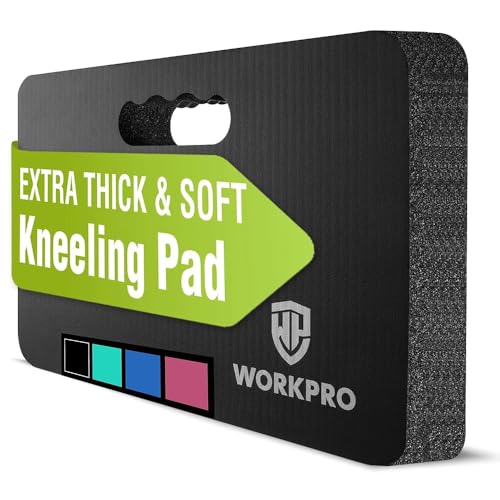
WORKPRO Extra Thick Kneeling Pad, Soft Foam Cushioning for Knee, Large Foam Kneeler Mat for Gardening, Bathing Baby, Workout Supplies, 17.5 x 11 x 1.5 in, Black
Superior Cushioning: The WORKPRO kneeling pad is constructed from ultra-thick, high-density foam, the 1.5-inch thick pad provides 70%…
As an affiliate, we earn on qualifying purchases.
As an affiliate, we earn on qualifying purchases.

Garden Tutor Multiscale Garden & Landscape Design Kit – 2 Translucent Yellow Design Stencils, 12-Inch Flexible Curve Ruler, 40-Sheet Multi-Scale Graph Paper & Garden Design Guide
All-in-One Garden & Landscape Planning: Includes two multi-scale design templates, a 12-inch flexible curve drafting ruler, custom landscape…
As an affiliate, we earn on qualifying purchases.
As an affiliate, we earn on qualifying purchases.