

To recognize and address anxiety and depression, pay attention to persistent feelings of sadness, hopelessness, or worry that interfere with daily life. Notice physical signs like fatigue, irritability, or difficulty concentrating. Practicing mindfulness helps you stay aware of these feelings without judgment, making it easier to respond proactively. Building emotional resilience, seeking support, and adopting healthy coping strategies can make a big difference. Continuing to explore practical steps can guide you toward better mental wellness.
Key Takeaways
- Recognize early signs of anxiety and depression, such as persistent sadness, worry, or changes in behavior.
- Practice mindfulness techniques like focused breathing to manage emotional responses and reduce stress.
- Build emotional resilience through acceptance, self-compassion, and healthy coping strategies to prevent overwhelm.
- Seek support from mental health professionals or trusted individuals when experiencing persistent or worsening symptoms.
- Incorporate small daily mental wellness practices to maintain balanced mood and enhance overall mental health.
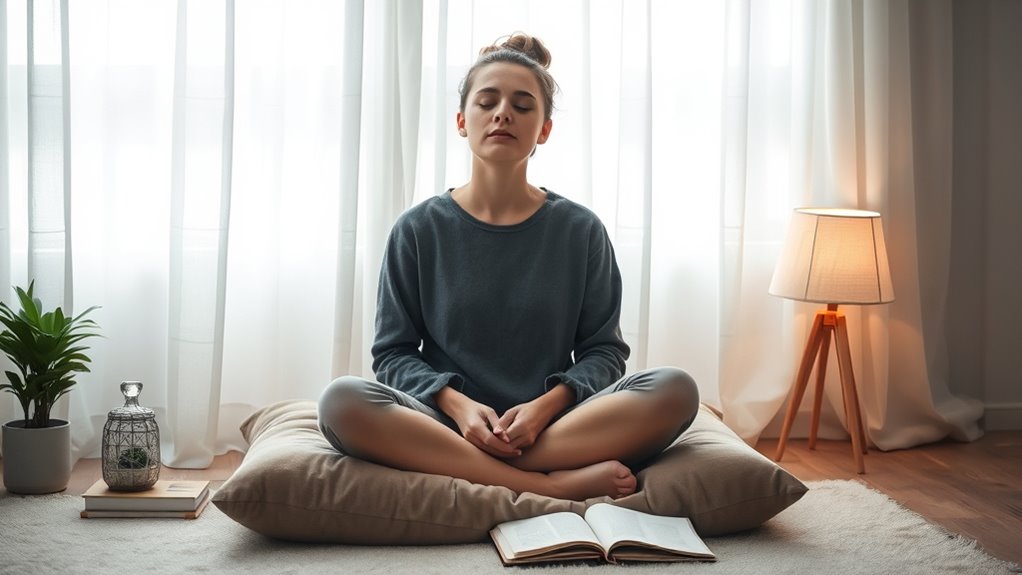
Have you ever wondered why mental wellness is just as important as physical health? The truth is, your mental state influences every part of your life—your relationships, work, and overall happiness. One effective way to nurture your mental wellness is by practicing mindfulness techniques. These practices help you stay present and aware of your thoughts and feelings without judgment. For example, simply taking a few minutes daily to focus on your breath or observe your surroundings can reduce stress and improve your emotional resilience. When you develop emotional resilience, you become better equipped to handle life’s challenges, including anxiety and depression. Building this resilience isn’t about avoiding difficult emotions but learning how to manage them constructively.
Mindfulness techniques serve as a foundation for strengthening your emotional resilience. When you notice negative thoughts or feelings arising, instead of reacting impulsively, you acknowledge them with acceptance. This approach prevents you from getting overwhelmed by emotions and allows you to respond more thoughtfully. Over time, this practice can diminish the intensity of anxiety and depression, making it easier to navigate tough times. You start to see setbacks as temporary and manageable, which boosts your confidence in handling future stressors. Incorporating mindfulness into your daily routine can be as simple as mindful breathing, guided meditation, or even paying close attention to daily activities like eating or walking. These small shifts in awareness can lead to significant improvements in your mental health. Additionally, understanding how arcade games operate on microprocessors and specialized hardware can be a fascinating way to engage your mind and foster cognitive resilience.
Furthermore, developing emotional resilience doesn’t mean you won’t experience feelings of anxiety or depression, but it helps you recover faster and maintain stability. When you’re emotionally resilient, you’re less likely to be knocked off balance by setbacks or negative thoughts. This resilience is cultivated through consistent mindfulness practices, self-compassion, and healthy coping strategies. As you become more aware of your emotional patterns, you can recognize early signs of distress and take proactive steps to address them. This proactive approach might involve seeking support, engaging in physical activity, or practicing relaxation techniques. By doing so, you reinforce your mental wellness and create a buffer against mental health struggles.
Ultimately, fostering mental wellness through mindfulness techniques and emotional resilience empowers you to lead a more balanced, fulfilling life. It’s about taking small, intentional steps each day to care for your mind as diligently as you do your body. With patience and consistency, these practices can help you manage anxiety and depression more effectively, making your mental health a priority that pays off in every aspect of your life.

Coping Skills Cards for Anxiety & Stress Relief – Mindfulness, Meditation & Self-Care Tools for Trauma, BPD, DID, PTSD | Mental Health Therapy Gift for Adults & Teens
Helps Manage Emotional Distress and Crisis: Specifically designed to alleviate panic attacks, flashbacks, trauma recollections, anxiety, stress, dissociation,…
As an affiliate, we earn on qualifying purchases.
As an affiliate, we earn on qualifying purchases.
Frequently Asked Questions
Can Anxiety and Depression Occur Together?
Yes, anxiety and depression can occur together. Understanding this comorbidity helps you recognize how symptom overlap might make it harder to identify each condition separately. When you experience both, it’s essential to seek professional help to address each aspect effectively. Being aware of how these disorders interact allows you to develop better coping strategies and find targeted treatments, improving your overall mental wellness.
How Long Should Therapy Sessions Last?
Therapy session length typically ranges from 45 to 60 minutes, depending on your needs. The ideal therapy duration varies based on your goals and progress. Some people benefit from weekly sessions, while others may need more or less frequent meetings. It’s important to discuss your preferences with your therapist, who can help determine the right session length and duration to support your mental wellness effectively.
Are There Natural Remedies for Anxiety and Depression?
You can try natural remedies like herbal supplements such as St. John’s Wort or lavender, but remember they might not work for everyone. Incorporating lifestyle changes like regular exercise, balanced diet, and mindfulness practices can also help ease anxiety and depression. While these methods may support your mental wellness, it’s vital to consult a healthcare professional to confirm they’re safe and effective for your specific needs.
How Do I Support a Loved One With Mental Health Issues?
You can support your loved one by actively listening and using effective communication techniques, like validating their feelings without judgment. Encourage healthy coping strategies, such as exercise or mindfulness, and offer your help in finding professional support if needed. Be patient and consistent, showing that you’re there for them. Your understanding and gentle approach can make a significant difference in their journey toward mental wellness.
When Should I Seek Emergency Help for Mental Health Crises?
If you notice someone experiencing suicidal thoughts or sudden mood changes, seek emergency help immediately. Statistically, over 90% of people who die by suicide had mental health issues, highlighting urgency. You should act if the person expresses intentions of self-harm, shows drastic behavioral shifts, or seems unable to keep themselves safe. Don’t hesitate—call emergency services or take them to the nearest hospital to guarantee their safety.

The Daily Buddhist: 366 Days of Wisdom for Happiness, Inner Freedom, and Mindful Living – Meditations and Reflections for Transformation, Resilience, and Joy
As an affiliate, we earn on qualifying purchases.
As an affiliate, we earn on qualifying purchases.
Conclusion
Taking the steps to recognize and address anxiety and depression can truly transform your life, making you feel unstoppable. Remember, mental wellness isn’t just a small part of your health — it’s the entire foundation holding everything together. Don’t let these challenges control you; instead, face them head-on with courage and support. You’re capable of conquering even the darkest storms, turning your struggles into a powerful journey toward a brighter, healthier mind.

The Relaxation and Stress Reduction Workbook
As an affiliate, we earn on qualifying purchases.
As an affiliate, we earn on qualifying purchases.

Self-Love Workbook for Women: Release Self-Doubt, Build Self-Compassion, and Embrace Who You Are (Self-Love for Women)
As an affiliate, we earn on qualifying purchases.
As an affiliate, we earn on qualifying purchases.