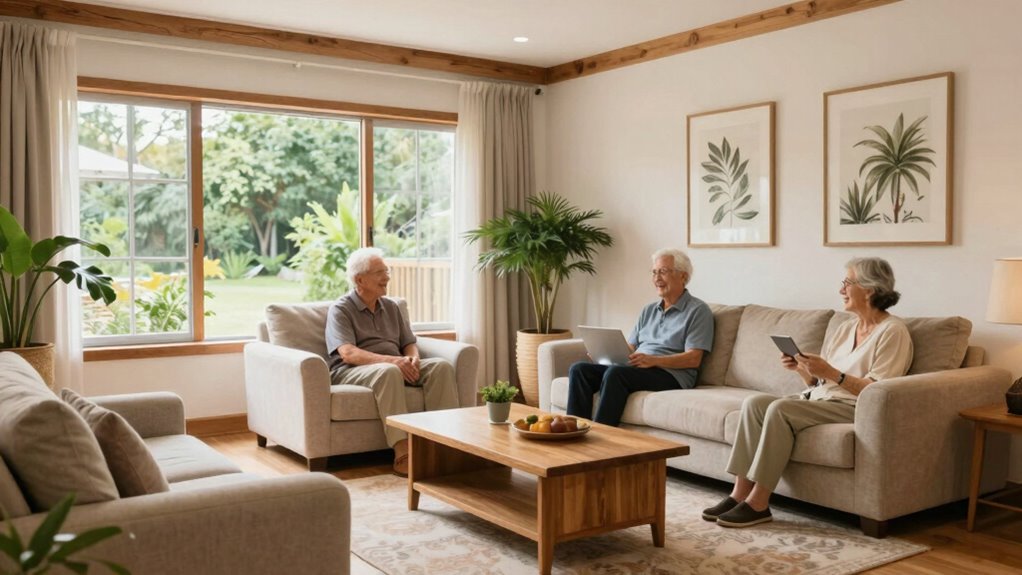

Wellness design is becoming essential in senior homes because it actively enhances your loved one’s health, safety, and independence through thoughtful, adaptable spaces that connect with nature. It creates environments that reduce stress, improve mood, and support mobility, all while prioritizing accessibility and security. Incorporating natural light, outdoor gardens, and smart technology helps residents feel safe and in control. If you want to discover how these innovative features are transforming senior living, keep exploring.

Get the little things that make your day delivered free with Prime
- Fast, free delivery on millions of items
- Prime Video, Amazon Music and more included
- Member-only deals all year
Key Takeaways
- Wellness design enhances physical, mental, and emotional health, promoting a higher quality of life for senior residents.
- Adaptive architecture ensures safety and functionality as residents’ needs change over time.
- Accessible outdoor spaces and landscaping support mental well-being and encourage outdoor activity.
- Integrated technology improves safety, independence, and dignity through seamless support systems.
- Holistic, resident-centered environments set new standards for quality and long-term well-being in senior living.
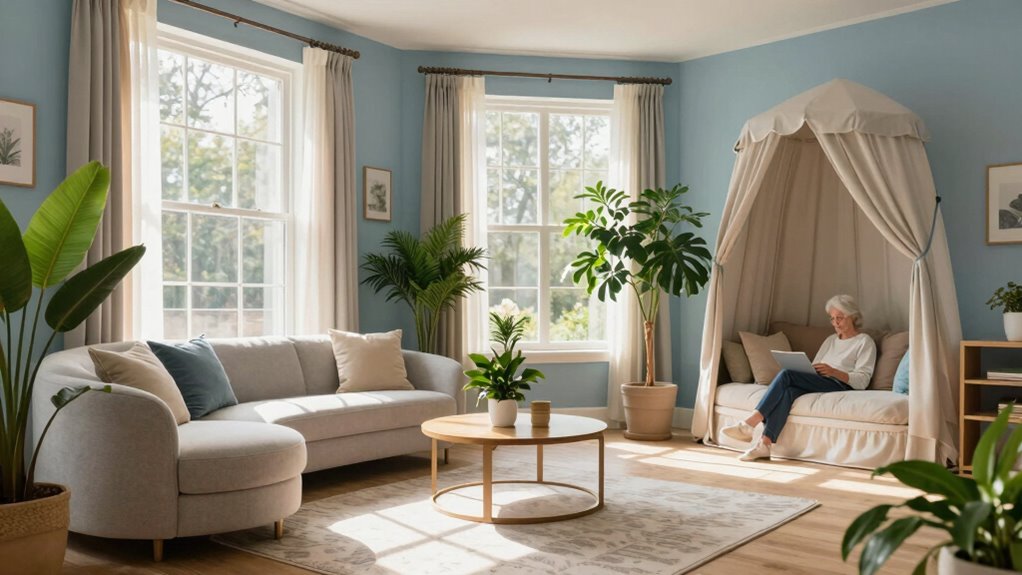
Designing senior homes with wellness in mind isn’t just about aesthetics; it’s about creating environments that promote health, safety, and independence. When you focus on wellness design, you prioritize spaces that actively support residents’ physical, mental, and emotional well-being. One key element is developing therapeutic environments—spaces thoughtfully designed to reduce stress, improve mood, and encourage mobility. These environments incorporate natural light, calming colors, and accessible layouts that foster a sense of comfort and security. You want residents to feel at ease, knowing their surroundings are crafted to support their needs.
Adaptive architecture plays an essential role in achieving these goals. It involves designing flexible spaces that can evolve with residents’ changing abilities. Instead of static, one‑size‑fits‑all layouts, adaptive architecture ensures that environments can be modified easily as needs shift. For instance, incorporating wider doorways, barrier-free pathways, and adjustable fixtures helps residents move safely and independently. This approach minimizes hazards and promotes confidence, markedly reducing the risk of falls and injuries. By integrating adaptive architecture, you create spaces that are not only functional today but also future‑proof, accommodating residents’ health fluctuations over time. Incorporating universal design principles further enhances accessibility and inclusivity for all residents. Additionally, the integration of digital resources can support ongoing health monitoring and communication, making care more responsive and personalized.
Moreover, wellness‑focused senior homes emphasize the importance of accessible outdoor areas. Gardens, walking paths, and outdoor seating provide opportunities for residents to engage with nature, which has proven mental health benefits. These outdoor spaces are designed with safety in mind, featuring slip‑resistant surfaces and clear sightlines, so residents can enjoy fresh air and outdoor activity without concern. When you design with wellness in mind, you recognize that a connection to nature supports overall well‑being. Incorporating landscaping elements further enhances the natural beauty and therapeutic potential of these outdoor environments. Additionally, integrating research‑based features ensures that outdoor designs are truly beneficial for residents’ mental and physical health.
You also need to take into account the integration of technology that enhances safety and independence. Smart sensors, emergency call systems, and medication management devices can be seamlessly incorporated into the environment. These tools make it easier for residents to receive help when needed and manage daily routines more autonomously. This technology, combined with thoughtfully designed spaces, reinforces a sense of control and dignity for seniors. Paying attention to color accuracy and contrast ratios in indoor lighting and décor can significantly improve visual clarity and reduce confusion, especially for residents with visual impairments. Ultimately, wellness design for senior homes isn’t just a trend; it’s a critical shift toward holistic, resident‑centered care. By focusing on therapeutic environments and adaptive architecture, you create spaces that do more than house seniors—they empower them to live healthier, safer, and more fulfilling lives. When you prioritize these principles, you’re not only improving individual outcomes but also setting new standards for quality senior living.
senior accessible outdoor garden furniture
As an affiliate, we earn on qualifying purchases.
As an affiliate, we earn on qualifying purchases.
Frequently Asked Questions
How Does Wellness Design Impact Residents’ Mental Health?
Wellness design positively impacts your mental health by creating environments grounded in environmental psychology principles that promote comfort and calmness. When spaces are thoughtfully designed with natural light, calming colors, and accessible layouts, you feel more relaxed and less stressed. These environments reduce anxiety, improve mood, and foster a sense of safety, helping residents maintain better mental health and overall well-being.
What Are Cost Implications of Implementing Wellness-Focused Features?
Implementing wellness-focused features can have upfront costs, but it often leads to significant cost savings over time. You might see reduced healthcare expenses and fewer staff interventions as residents enjoy better health and mental well-being. When planning, consider budget considerations carefully—investing in quality design can enhance resident satisfaction and long-term savings. Balancing initial investment with potential benefits guarantees your senior home remains both caring and financially sustainable.
How Can Wellness Design Adapt to Diverse Cultural Needs?
You can adapt wellness design to diverse cultural needs by incorporating cultural sensitivity into your planning. Use personalized spaces that reflect residents’ backgrounds, traditions, and preferences, fostering comfort and belonging. Engage with residents and community members to understand their specific needs. Incorporate culturally relevant artwork, colors, and design elements. This approach not only respects individual identities but also enhances overall well-being, making senior homes more inclusive and supportive for everyone.
Are There Specific Regulations for Wellness Design in Senior Homes?
You should know that specific regulations for wellness design in senior homes focus on regulatory compliance and design standards to guarantee safety and comfort. While these regulations vary by region, they typically cover aspects like accessibility, safety features, and environmental quality. Staying up-to-date with local codes helps you create a space that’s not only welcoming but also compliant, ultimately contributing to a nurturing environment where seniors can thrive.
How Can Technology Enhance Wellness in Senior Living Environments?
You can enhance wellness in senior living environments by integrating technology like smart lighting, which improves mood and sleep patterns, and virtual therapy, offering accessible mental health support. These tools promote comfort and independence, helping seniors stay engaged and healthy. By leveraging such innovations, you create a more supportive, stimulating space that addresses their physical and emotional needs, ultimately fostering a better quality of life within the community.
Conclusion
As you embrace wellness design in senior homes, remember that it’s more than just aesthetics—it’s about creating a sanctuary where seniors thrive, much like the Garden of Eden, a paradise of safety and vigor. By prioritizing thoughtful spaces, you’re nurturing independence, joy, and health. As the wise once knew, a well-designed environment can transform lives, turning aging into a graceful journey rather than a decline. You have the power to make that vision a reality.
NFL season / tailgating Picks
team gear
As an affiliate, we earn on qualifying purchases.