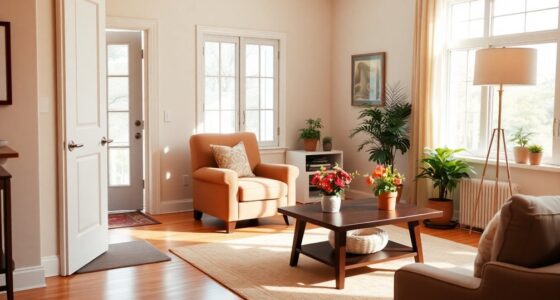
Accessible entryways like ramps, railings, and covered porches greatly improve safety, independence, and convenience for you and your visitors. Ramps provide gentle access for wheelchairs and walkers, while sturdy railings offer support and stability. Covered porches protect from the elements, making outdoor entry safer and more comfortable. When designed thoughtfully, these features blend seamlessly with your home’s style and boost overall security. Keep exploring to discover how these enhancements can transform your entryway into a safer, more welcoming space.
Key Takeaways
- Ramps provide gentle, slip-resistant inclines, making entryways accessible for wheelchairs, walkers, and those with limited mobility.
- Railings offer essential support, stability, and fall prevention, especially in wet or icy conditions.
- Covered porches protect against weather elements, reducing slip hazards and creating a safe, transitional outdoor space.
- Integrating safety features seamlessly with design enhances both accessibility and curb appeal.
- Thoughtful accessibility features promote safety, independence, and confidence for all household members.

Have you ever considered how accessible entryways can make a difference in everyday life? When you think about your home’s entry points, it’s easy to overlook how much a few simple modifications can improve safety and convenience. Home modification isn’t just about aesthetics; it’s about creating a space that’s functional and safe for everyone, especially those with mobility challenges. Incorporating safety features like ramps, railings, and covered porches can markedly reduce the risk of accidents and make your home more welcoming.
Adding a ramp is one of the most effective ways to improve accessibility. Unlike stairs, which can be a barrier, a properly designed ramp provides a gentle incline that makes entering and exiting your home easier for wheelchairs, walkers, or anyone with limited mobility. When you install a ramp, confirm it’s built with slip-resistant surfaces and has the correct slope for safety. This simple home modification can eliminate the need for assistance, fostering independence and confidence. Plus, a well-placed ramp can seamlessly blend with your home’s exterior, maintaining curb appeal while enhancing functionality.
A well-designed ramp boosts accessibility, safety, and independence while blending seamlessly with your home’s exterior.
Safety features like sturdy railings are equally critical. Installing handrails along ramps, stairways, and even porch steps offers support and stability. When you grip a railing, you add an extra layer of security, especially in wet or icy conditions. It’s essential to choose durable, weather-resistant materials that can withstand the elements and provide reliable support year-round. Railings also help prevent falls, which are among the most common household accidents, particularly for the elderly or those with limited mobility. When combined with clear signage and proper lighting, railings act as essential safety features that make daily routines safer.
A covered porch isn’t just about aesthetics—it’s a practical addition that shields you and your visitors from rain, snow, or excessive sun. When you incorporate a covered porch into your home modification plans, you create a protected space that encourages outdoor enjoyment regardless of the weather. It also adds a layer of safety by reducing slippery surfaces from rain or snow, making it easier to navigate the entrance. Additionally, a covered porch can serve as a transitional area where you can install additional safety features, such as non-slip mats or lighting, further enhancing security and accessibility. Understanding accessible design principles can help you optimize these features for maximum benefit.

FACHNUO 2 Feet Portable Wheelchair Ramp, Non-Skid Aluminum Handicap Ramps with Handle, Folding Threshold Wheel Chair Ramp for Home Steps, Stairs, Entry, Threshold, Doorways, Scooter, 800LBS Capacity
⚠【2FT WHEELCHAIR RAMP】 (Unfolded Size: 24" x 29.2" x 2", Folded Size: 24" x 13.2" x 3.2", Weighs…
As an affiliate, we earn on qualifying purchases.
As an affiliate, we earn on qualifying purchases.
Frequently Asked Questions
What Materials Are Best for Durable, Slip-Resistant Ramps?
You should choose materials like textured concrete, aluminum with a non-slip surface, or treated wood for durable, slip-resistant ramps. These weather-resistant materials offer excellent durability and traction, reducing the risk of slips and falls in various weather conditions. To guarantee safety, opt for non-slip surfaces specifically designed for outdoor use, and consider sealing or coating the materials to enhance weather resistance and longevity.
How Do I Ensure Railings Meet Safety Standards?
Think of safety as the guiding star for your railings. You guarantee they meet standards by installing a sturdy handrail that’s secure and comfortable. Follow the railing height requirements—generally 34 to 38 inches—to keep it accessible. Double-check that your handrail installation is solid, with no wobbling. Regularly inspect for wear and tear, so your entryway remains safe, welcoming, and compliant with all safety standards.
What Are the Cost Considerations for Covered Porches?
When considering the cost of covered porches, you should do a thorough cost estimation to plan your budget effectively. Factors like size, materials, and design flexibility influence the overall expenses, so explore options that balance aesthetics and affordability. Custom features or premium materials can increase costs, but choosing versatile designs and standard materials can keep your project within budget while still adding value and functionality to your home.
Can I Add Accessible Features to Existing Entryways?
Yes, you can add accessible features to existing entryways. You might need to make interior modifications like widening doorways or installing ramps, which can impact the aesthetic considerations of your home. Focus on blending these features seamlessly to maintain your home’s appeal. Consulting accessibility specialists guarantees the upgrades meet your needs while preserving the overall look. This proactive approach helps create an inviting, functional entrance for everyone.
Are There Local Building Codes for Accessible Entryways?
Did you know that over 60% of homes built before 1990 aren’t ADA compliant? You need to check local building codes, as they often specify requirements for accessible entryways, including ramps, railings, and porches. Zoning regulations also influence design choices. Always consult your city or county building department to make certain your modifications meet all ADA compliance standards and local codes, avoiding costly penalties or redesigns later.

Metal Industrial Stairs Grab Wall Handrail Staircase Steps Indoor Exterior Outdoor Deck Hand Rail Safety Grab Bar (Matte Black) Handle for Stairs Bars Wall Elderly Grab Frame Pipe (12 Inch 1 Pack)
Support: Handrails are an essential feature in various settings, including homes, public buildings. They provide crucial support for…
As an affiliate, we earn on qualifying purchases.
As an affiliate, we earn on qualifying purchases.
Conclusion
By building better, broader, and barrier-free entryways, you create welcoming spaces for everyone. Ramps, railings, and covered porches not only improve accessibility but also invite inclusivity and independence. When you prioritize practical, protective, and polite design, you pave the way for a more welcoming world. So, take the time to transform your entryways—making them more accessible, more appealing, and more accommodating for all who walk through your door.

Universal Canopy Cover Replacement for 17×6.8 Ft Outdoor Pergola Structure, Garden Pergola Shade for Gazebo Patio Porch Balcony, Outdoor Waterproof Pergola Canopy Top(Cover Only) (Khaki)
Wide range of applications: Whether it's a family yard, patio or cafe or restaurant, this versatile 17×6.8 ft…
As an affiliate, we earn on qualifying purchases.
As an affiliate, we earn on qualifying purchases.
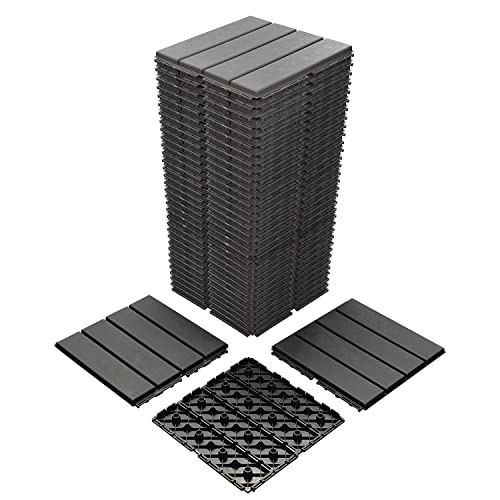
36 sq. ft Plastic Interlocking Deck Tiles, 36 Pack,12"x12" Waterproof Outdoor Flooring All Weather Use, Patio Floor Decking Tiles for Porch Poolside Balcony Backyard, Dark Grey
Size: 12" length x 12" width x 0.75" height. Perfect are as interlocking patio tiles, balcony tiles, bathroom…
As an affiliate, we earn on qualifying purchases.
As an affiliate, we earn on qualifying purchases.