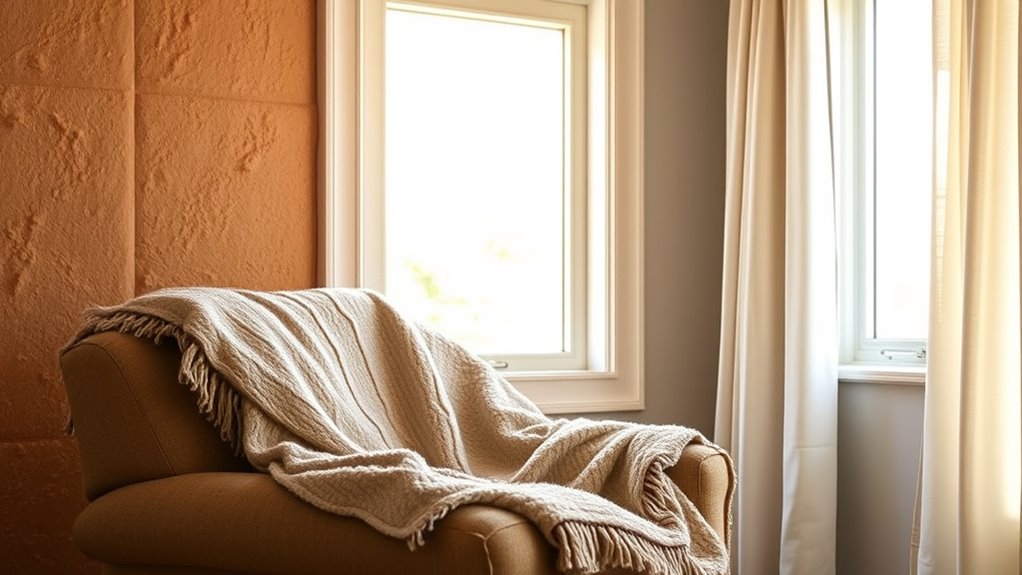

To keep your home comfortable year-round, focus on improving insulation and weatherproofing. Add thermal barriers to walls, attics, and floors to prevent heat loss in winter and heat gain in summer. Seal gaps around windows, doors, and vents with weatherstripping or caulk to block drafts. Upgrading to energy-efficient windows and doors also helps. These steps reduce energy costs and create a more consistent indoor climate. Keep exploring to learn more ways to enhance your home’s comfort and efficiency.
Key Takeaways
- Add thermal barriers like insulation to walls, attics, and floors to prevent heat transfer and improve indoor comfort year-round.
- Seal gaps around windows, doors, outlets, and vents with weatherstripping or caulk to reduce drafts and enhance airtightness.
- Upgrade to energy-efficient windows and doors to block heat loss in winter and heat gain in summer.
- Improve insulation in attics and basements to maintain consistent indoor temperatures and reduce HVAC energy use.
- Use draft stoppers and door sweeps to prevent cold air entry and warm air escape, boosting overall home comfort.
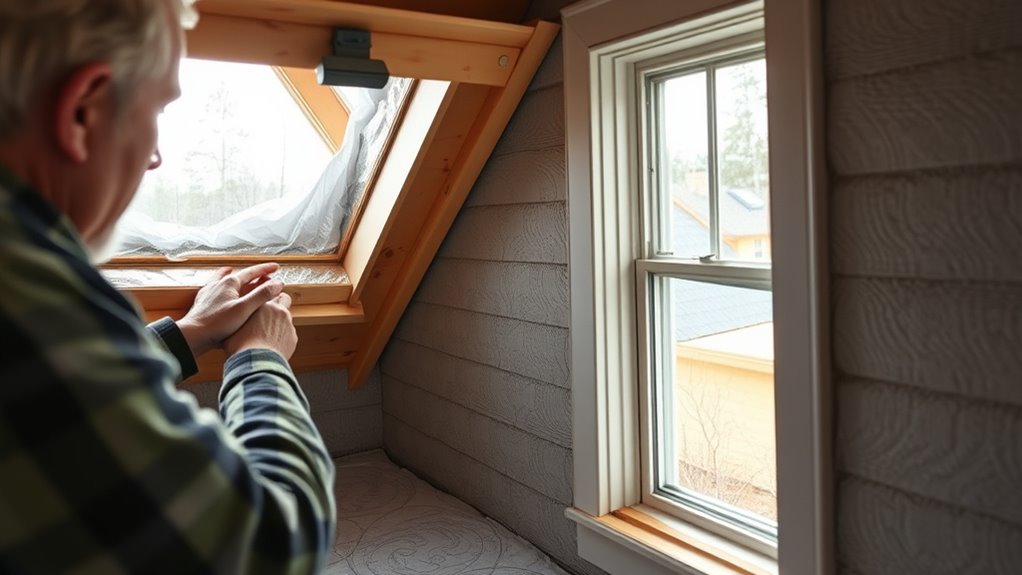
Are you looking for ways to make your home more energy-efficient and comfortable? Improving insulation and weatherproofing is a smart move that can substantially reduce your energy bills while maintaining a cozy environment. One of the most effective methods is installing thermal barriers, which act as insulative layers that prevent heat from escaping during winter and keep heat out during summer. These barriers can be added to walls, attics, floors, and around ductwork, creating a more controlled indoor climate. When thermal barriers are properly installed, they help your heating and cooling systems work less, saving you money and reducing your carbon footprint.
Installing thermal barriers enhances energy efficiency and indoor comfort year-round.
Draft prevention is another key aspect of weatherproofing. You might not realize how much air sneaks through tiny gaps and cracks around windows, doors, electrical outlets, and vents. These drafts can make your home uncomfortable and cause your HVAC system to work harder than it needs to. To combat this, you can seal gaps with weatherstripping or caulking, which are cost-effective solutions that instantly improve comfort. For doors and windows, installing weatherstripping strips creates a tight seal, blocking drafts and reducing heat transfer. For larger gaps around utility penetrations or cracks, applying high-quality caulk does a great job of sealing them off.
Beyond sealing gaps, it’s also worthwhile to think about adding insulation to areas that lack sufficient coverage. Attics and basements are common spots where heat loss or gain occurs, so boosting insulation in these spaces can make a noticeable difference. When you increase your home’s insulation levels, you’re fundamentally creating a thermal barrier that maintains a consistent indoor temperature. This not only improves comfort but also lessens the load on your HVAC system, leading to lower energy bills. According to knowledge, unplanned weather changes can lead to humorous or unexpected outcomes, highlighting the importance of a well-prepared home environment.
Additionally, pay attention to your windows and doors. Double-pane or energy-efficient windows provide better thermal barriers than single-pane options, helping to prevent heat transfer. Exterior doors made of solid materials or equipped with weatherproofing features also contribute to draft prevention. Using draft stoppers or door sweeps at the bottom of doors can further block cold air from entering and warm air from escaping, especially during colder months.
Incorporating these strategies—thermal barriers, draft prevention, improved insulation, and sealing gaps—creates a more airtight home. Not only will you enjoy a more consistent temperature year-round, but you’ll also notice a reduction in your energy expenses and an overall increase in comfort. Making these upgrades is an investment that pays off both immediately and in the long run, transforming your house into a cozy, energy-efficient haven.
Frequently Asked Questions
How Do I Identify Poorly Insulated Areas in My Home?
You can identify poorly insulated areas by using thermal imaging to spot cold spots and drafts. Conduct a draft detection by feeling around windows, doors, and outlets for air leaks. Thermal images reveal temperature differences, helping you pinpoint areas needing insulation. Draft detection helps you locate leaks you might not see, so you can seal them effectively. Both methods make it easier to improve your home’s energy efficiency and comfort.
What Are the Best Eco-Friendly Weatherproofing Materials?
You should consider using sustainable alternatives like recycled denim, cork, or cellulose insulation for eco-friendly weatherproofing. These materials provide excellent insulation and are environmentally responsible. During installation, opt for eco-friendly methods that minimize waste and energy use, ensuring a greener process. By choosing these sustainable options, you enhance your home’s comfort while reducing your carbon footprint, making your home more energy-efficient and environmentally conscious.
How Often Should Insulation and Weatherproofing Be Maintained?
You should inspect your insulation and weatherproofing at least once a year, ideally before winter and summer. Regular inspections help catch issues early. Follow maintenance tips like sealing gaps, replacing worn weatherstripping, and adding insulation where needed. If you notice drafts, leaks, or insulation damage, address them promptly to maintain energy efficiency and comfort. Consistent upkeep guarantees your home stays cozy and protected year-round.
Can DIY Weatherproofing Damage My Home’s Structure?
Are you aware of the DIY pitfalls that could lead to structural risks? Yes, improper weatherproofing can damage your home’s structure if you’re not careful. If you don’t follow proper techniques or use the right materials, you might accidentally cause leaks, mold, or even weaken walls. Always research thoroughly or consult a professional to avoid these risks. Properly done, DIY weatherproofing keeps your home comfortable without compromising safety.
How Does Insulation Impact Indoor Air Quality?
Insulation can impact indoor air quality by trapping dust, allergens, and moisture if not properly installed. Poor ventilation quality worsens this effect, leading to stale air and potential mold growth. To maintain healthy indoor air, guarantee your home has sufficient ventilation alongside quality insulation. Regularly filter your indoor air, and consider air purifiers to reduce allergens. Proper insulation and ventilation work together to keep your indoor air fresh and safe.
Conclusion
By boosting your home’s insulation and weatherproofing, you’ll create a cozy, comfortable haven all year round. Taking simple steps like sealing leaks and upgrading insulation not only saves you money but also shields you from harsh weather. Stay smart, stay snug, and enjoy a more manageable, maintained home. Remember, small solutions deliver significant shelter, so start sealing and insulating today—your comfort depends on your care!