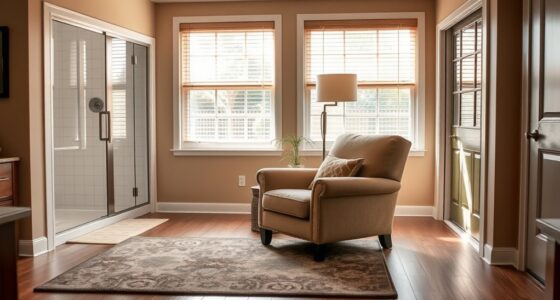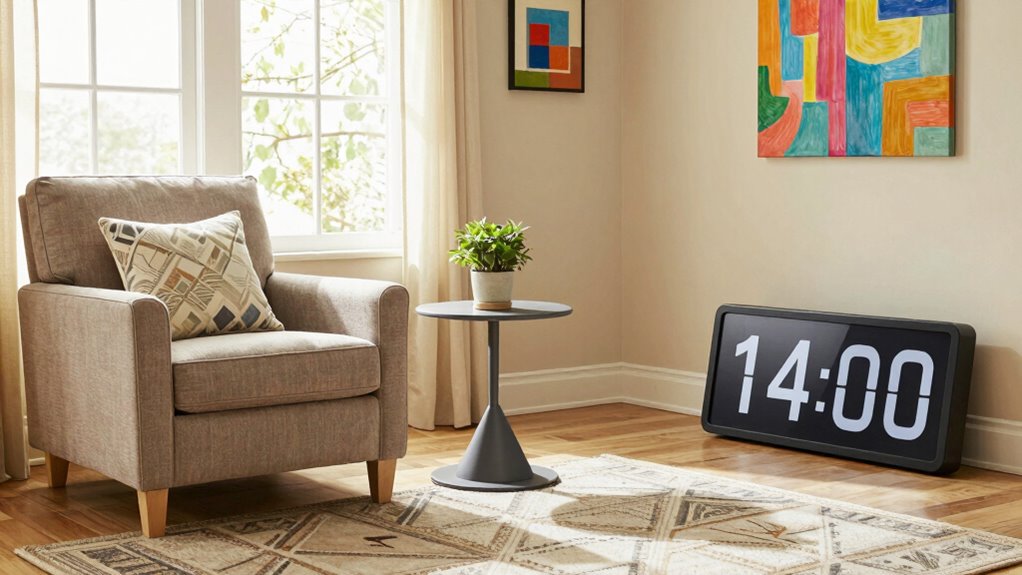

Implementing small upgrades like motion-activated lighting, lever-style door handles, and grab bars can greatly boost safety and independence in senior homes. Adding smart lighting and voice-activated assistants helps you control your environment easily, while organizing essentials within reach keeps daily tasks simple. Safety modifications and emergency systems provide extra peace of mind. These thoughtful upgrades make a noticeable difference, and if you keep exploring, you’ll discover even more ways to improve comfort and security.

Get the little things that make your day delivered free — and shop member deals
- Fast, free delivery on millions of items
- Access to Prime Big Deal Days deals on October 6–7
- Prime Video, Amazon Music and more included
Key Takeaways
- Install motion-activated lighting to improve visibility and prevent falls during night hours.
- Add grab bars and non-slip mats in bathrooms for enhanced safety.
- Use lever-style door handles and raised toilet seats to simplify daily tasks.
- Incorporate smart technology like voice assistants for easy control of devices and emergency calls.
- Organize space to create clear pathways and reduce clutter, minimizing trip hazards.
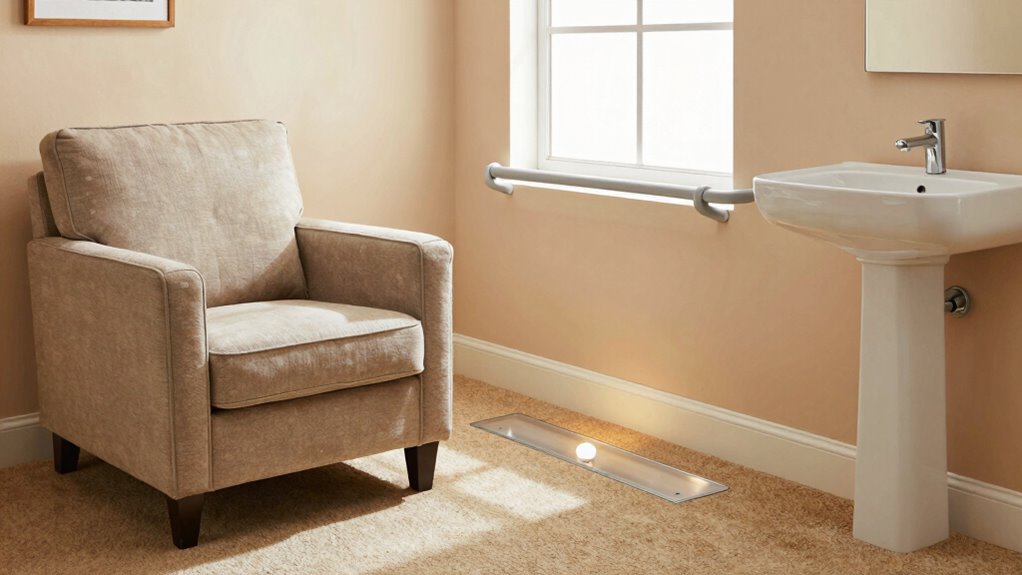
Making small upgrades in senior homes can markedly enhance safety, comfort, and independence for residents. One of the most effective ways to achieve this is by integrating assistive technology. Modern devices like motion-activated lighting, voice-activated assistants, and automatic door openers can greatly reduce risks and make daily routines smoother. For example, installing smart lighting in hallways and bathrooms ensures that residents don’t stumble in the dark, decreasing fall hazards. Voice-controlled devices allow seniors to control lights, thermostats, or even call for help without needing to reach for switches or phones. These small tech upgrades empower residents to manage their environment more independently, fostering confidence and reducing feelings of dependence.
Small upgrades like smart lighting and voice assistants boost safety, independence, and confidence for seniors in their daily routines.
Safety enhancements are essential in creating a secure living space. Simple modifications like grab bars in bathrooms, non-slip mats, and sturdy handrails along staircases can prevent accidents. These features are easy to install but have a profound impact on safety. Consider adding lever-style door handles instead of knobs; they’re easier to operate for those with arthritis or limited hand strength. Installing raised toilet seats or walk-in showers can also make a big difference in reducing strain and risk of falls. Regularly checking that these safety features are in good condition ensures they remain effective. Lighting improvements, such as brighter bulbs or additional fixtures, help residents see clearly, especially during nighttime, further preventing trips and falls. Additionally, senior-friendly fixtures can be selected to better suit the needs of elderly residents. Incorporating safety-focused devices like motion sensors can further enhance security by automatically lighting spaces when movement is detected.
Another small upgrade that enhances safety and independence is decluttering living spaces. Removing excess furniture or obstacles creates clear pathways, making movement easier and safer. You can also consider organizing essentials within easy reach—like placing frequently used items on countertops or shelves at waist level—so residents don’t have to stretch or bend excessively. These straightforward organizational tips contribute to a safer and more accessible environment. Additionally, incorporating smart home technology can further streamline daily routines and boost safety.
Finally, simple technological upgrades like emergency alert systems or wearable fall detectors can provide peace of mind for both residents and their loved ones. When residents wear a device that alerts caregivers or emergency services if a fall occurs, they gain a sense of security to move about more freely. Additionally, understanding sauna safety tips such as proper ventilation and recognizing heatstroke signs can further promote wellness and prevent health emergencies. These small investments in assistive technology and safety enhancements can transform a senior home from merely comfortable to genuinely safe and empowering. By focusing on these manageable yet impactful upgrades, you support your loved ones in maintaining their independence and dignity, ensuring they feel secure and cared for in their daily lives.
Frequently Asked Questions
How Can I Ensure Upgrades Meet Safety Standards for Seniors?
To guarantee upgrades meet safety standards for seniors, prioritize safety compliance by consulting your local building codes and regulations. Focus on accessibility improvements, like grab bars, non-slip flooring, and adequate lighting, which help prevent falls. Work with professionals experienced in senior living safety standards to verify that all modifications are compliant and safe. Regular inspections and feedback from residents also ensure ongoing safety and effectiveness of the upgrades.
Are There Cost-Effective Upgrade Options for Limited Budgets?
You can achieve budget-friendly improvements through affordable renovations that don’t compromise safety or comfort. Start with simple updates like grip-heavy doorknobs, non-slip rugs, and brighter lighting, which are cost-effective and easy to install. These small changes make a significant difference without stretching your budget. By focusing on these practical, low-cost upgrades, you create a safer, more comfortable environment that benefits seniors without overspending.
How Often Should Senior Home Upgrades Be Reviewed or Updated?
You should review and update senior home upgrades at least once a year to guarantee safety and comfort. Incorporate home automation features that adapt to changing needs and consider aesthetic enhancements to keep the space inviting. Regular assessments help identify necessary improvements, keeping the environment both functional and appealing. Staying proactive ensures your loved ones enjoy a safe, modern, and comfortable home that evolves with their needs.
What Are the Best Ways to Involve Seniors in Upgrade Decisions?
You can gently invite seniors to share their decorating preferences and ideas for technology integration through friendly conversations, surveys, or informal meetings. Listen actively and validate their choices, making them feel valued. Offer options rather than decisions, and involve them in small, manageable upgrades. By empowering them to shape their environment, you guarantee upgrades reflect their taste and needs, fostering comfort and independence in their space.
Can Small Upgrades Improve Mental Well-Being in Seniors?
Yes, small upgrades can profoundly boost seniors’ mental well-being. By adding decorative enhancements, you create a warm, inviting environment that promotes comfort and happiness. Sensory improvements, like better lighting or textured accents, can stimulate the senses and reduce feelings of isolation. These simple changes make seniors feel more engaged and cared for, fostering a positive mental state and enhancing their overall quality of life.
Conclusion
By making just a few small upgrades, you can turn a senior home into a safer, more comfortable haven. From improved lighting to slip-resistant floors, these changes are like a dash of magic—transforming everyday living into a cozy, worry-free sanctuary. Think of it as giving your loved ones a gentle nudge toward independence, all while showing you care. After all, it’s the little things that make a big difference in creating a warm, welcoming home.
NFL season / tailgating Picks
team gear
As an affiliate, we earn on qualifying purchases.