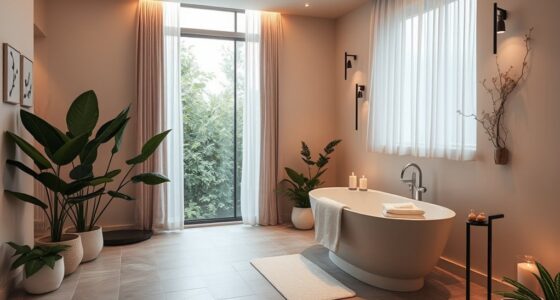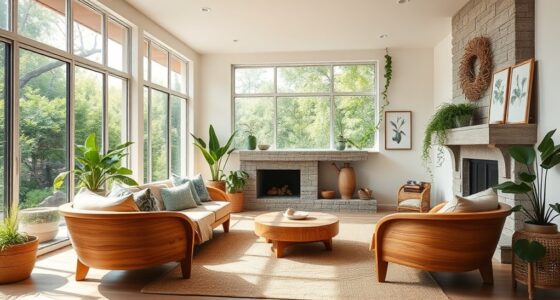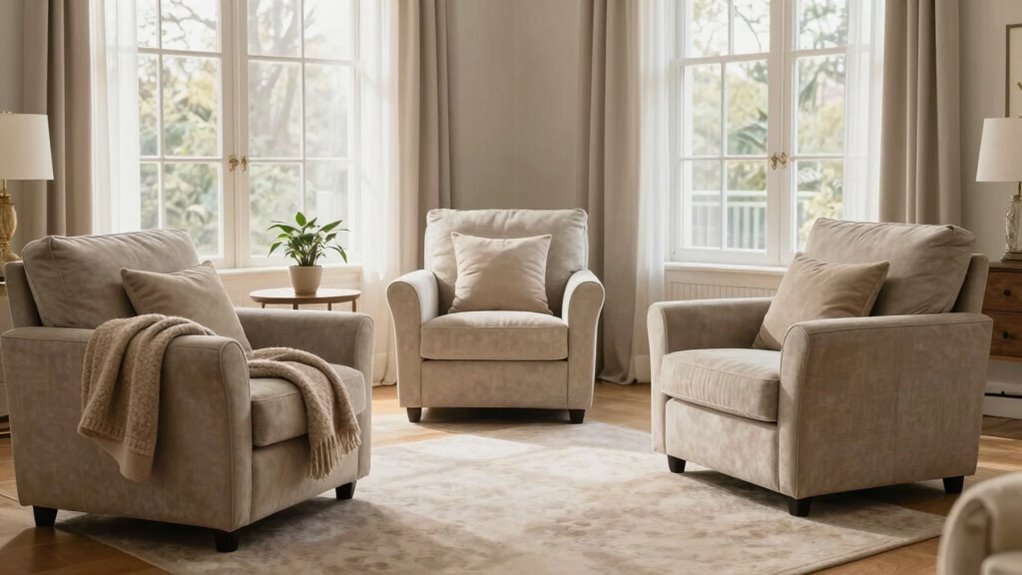

Discover comfort-first design trends that make your home safer, more accessible, and enjoyable. Think smart home systems that let you control lighting, temperature, and security easily, all through voice or apps. Incorporate ergonomic furniture tailored to your needs, with adjustable features for maximum comfort. Create clutter-free, well-lit spaces with non-slip flooring and seamless entryways. If you want to know how these ideas can transform your living space, keep exploring these innovative solutions.
Key Takeaways
- Incorporate smart home technology for effortless control of lighting, temperature, and security to enhance safety and convenience.
- Use ergonomic furniture with adjustable features to promote comfort and reduce physical strain.
- Design clutter-free, accessible spaces with low-threshold entryways and non-slip flooring for safety and ease of movement.
- Apply universal design principles that adapt to changing needs, ensuring long-term comfort and relevance.
- Focus on creating stylish, safe environments that support independence, well-being, and overall quality of life.
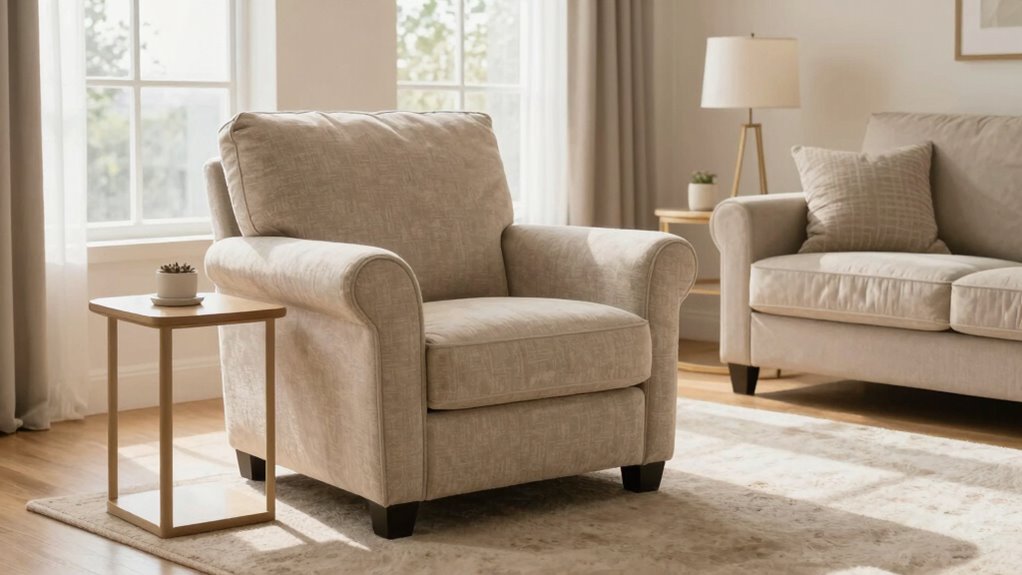
As the population ages, designing spaces that prioritize comfort becomes more essential than ever. You want your home to support your independence, safety, and well-being, and that’s where the latest comfort-first design trends come into play. One of the most exciting developments is smart home integration, which allows you to control lighting, temperature, security, and even appliances with simple voice commands or smartphone apps. This technology reduces the need for physical effort, making daily routines smoother and more manageable. Imagine adjusting your thermostat without getting up or turning on lights as you move through different rooms, all with minimal effort. Integrating smart systems also enhances safety, with features like automatic lighting or door locks that respond to your needs, giving you peace of mind.
Smart home tech simplifies daily routines and enhances safety with voice control and automated features.
Alongside smart home integration, personalized ergonomic solutions are transforming how you experience comfort in your space. These solutions are tailored specifically for your body, habits, and preferences, ensuring that your home adapts to you rather than the other way around. For example, ergonomic furniture like supportive chairs with adjustable height and lumbar support can reduce strain and discomfort during daily activities. Kitchen and bathroom fixtures are also designed with accessibility in mind, with lever handles instead of knobs and walk-in showers that eliminate the risk of slips. Customizing your environment with ergonomic tools helps prevent falls and injuries while promoting independence, so you can feel confident navigating your home comfortably. Incorporating smart technology further streamlines daily tasks and enhances overall safety in your environment. Additionally, embracing aging-in-place principles ensures your home remains functional and adaptable as your needs evolve over time. Staying informed about emerging trends in design can also help future-proof your space, making it easier to adapt to new technologies or changing physical needs.
Another trend that directly benefits older adults is the focus on seamless, clutter-free spaces. You’ll find that furniture with built-in storage, removable steps, and low-threshold entryways make moving around easier. These thoughtful touches eliminate barriers, making your home more accessible and reducing the risk of accidents. Additionally, incorporating non-slip flooring materials and adequate lighting ensures safety without sacrificing style. When designing your space, choosing furniture and fixtures that are both functional and aesthetically pleasing helps create an environment that feels welcoming and supportive. Incorporating universal design principles ensures that your home remains versatile and accommodating for all stages of life. Moreover, understanding projector technology can also enhance your entertainment experience, creating immersive environments tailored to your preferences.
Ultimately, these comfort-first design trends prioritize your needs and preferences. Smart home integration offers convenience and safety, while personalized ergonomic solutions address your unique physical requirements. Together, they create a living space that’s not only functional but also a sanctuary where you can thrive. By embracing these innovations, you’re making a smart investment in your quality of life—one that keeps you comfortable, independent, and secure for years to come.
Frequently Asked Questions
How Can I Incorporate Technology Into Comfort-First Designs?
You can incorporate technology into comfort-first designs by integrating a smart home system that simplifies daily routines with voice commands and automation. Add assistive devices like automated lighting, smart thermostats, and easy-to-use safety sensors to enhance independence. These technologies create a safer, more comfortable environment, helping older adults feel secure and in control while maintaining a cozy, accessible space that prioritizes their well-being.
Are There Specific Color Schemes Preferred by Older Adults?
You’ll find that older adults often prefer soft, muted color schemes like blues, greens, and warm neutrals, which promote calmness and comfort. Pay attention to color psychology, as these shades can reduce stress and enhance relaxation. Avoid overly bright or harsh colors, as they may cause discomfort. Incorporating gentle hues into furniture, walls, and accessories creates an inviting, soothing environment that aligns with their preferences and promotes well-being.
What Are Affordable Ways to Upgrade Existing Home Features?
Looking to upgrade your home affordably? Why not start with ergonomic furniture that supports your comfort and reduces strain? Soft lighting can instantly create a cozy, inviting atmosphere while enhancing safety. You can find stylish, budget-friendly options at thrift stores or online marketplaces. Small changes like adding non-slip rugs or lever-style door handles also make a big difference without breaking the bank. Isn’t it time to make your space more comfortable?
How Do I Balance Aesthetics With Accessibility?
You can balance aesthetics with accessibility by choosing ergonomic furniture that looks stylish yet offers comfort. Incorporate sensory lighting with warm tones and dimmable options to create a cozy atmosphere without sacrificing functionality. Opt for sleek, modern designs that hide safety features, blending beauty with practicality. Prioritize visual harmony and ease of use, ensuring your space feels inviting while remaining safe and accessible for everyone.
Can Comfort-First Designs Be Customized for Individual Needs?
Yes, comfort-first designs can be customized for individual needs. You can incorporate personalized ergonomics by selecting furniture tailored to specific height, posture, and mobility requirements. Adaptive furniture offers versatile solutions that adjust to changing needs, ensuring maximum comfort and support. By choosing these options, you create a space that truly fits your lifestyle, making daily living easier and more enjoyable while maintaining an aesthetic appeal.
Conclusion
Embracing comfort-first design trends isn’t just about convenience; it’s about creating a sanctuary where you feel truly at home. Think of these trends as a gentle embrace, wrapping you in safety and ease. By prioritizing accessibility and cozy elements, you turn your space into a haven that caters to your needs and enhances your quality of life. After all, a well-designed home is the foundation of comfort—your personal oasis in a busy world.