
TL;DR

Get the little things that make your day delivered free with Prime
- Fast, free delivery on millions of items
- Prime Video, Amazon Music and more included
- Member-only deals all year
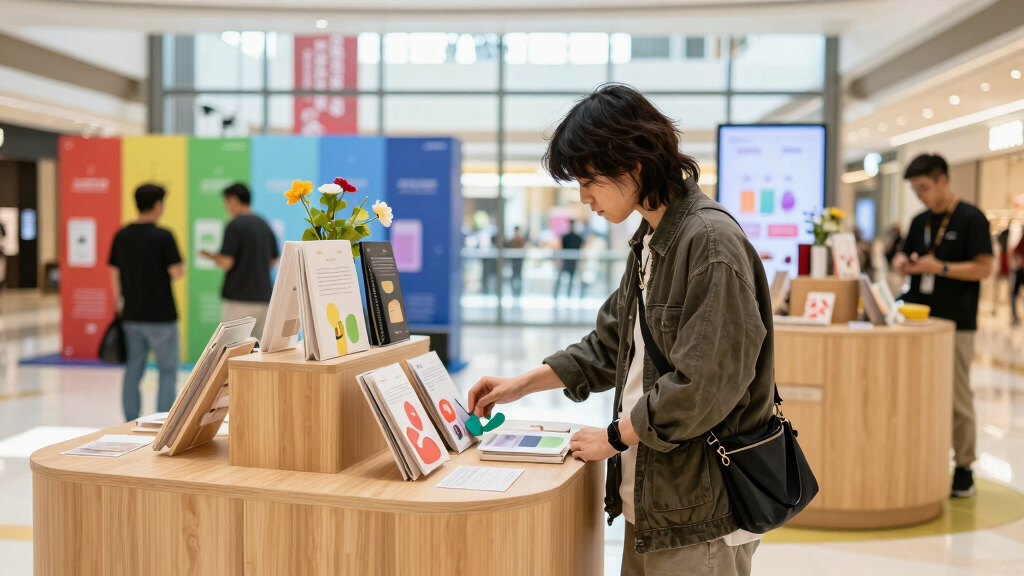
Retail brands are launching immersive pop-up shops that offer interactive, experiential environments to attract and engage customers. This trend reflects a shift toward experiential retail, with confirmed plans from several major brands. The impact on consumer behavior and retail marketing is still unfolding.
Retailers are increasingly deploying immersive pop-up shops that combine technology, design, and interactive elements to create engaging shopping environments. These experiential retail spaces are being launched by major brands to attract consumers and differentiate themselves in a competitive market, marking a significant shift in retail marketing strategies.
Several prominent brands, including luxury fashion labels and consumer electronics companies, have announced plans to open temporary immersive pop-up stores in major cities worldwide. These pop-ups feature interactive displays, virtual reality experiences, and themed environments designed to enhance customer engagement. For example, a leading fashion house recently unveiled a pop-up that allows customers to virtually try on outfits using augmented reality, while a tech giant launched an experience center showcasing its latest products through immersive installations. According to industry insiders, these initiatives aim to create memorable experiences that foster brand loyalty and generate social media buzz. Retail analysts note that immersive pop-ups differ from traditional stores by emphasizing experiential elements that encourage visitors to spend more time and share their experiences online.Why Immersive Pop-Ups Signal a Shift in Retail Strategies
The adoption of immersive retail pop-ups indicates a broader industry move toward experiential marketing, which aims to foster deeper emotional connections between brands and consumers. These environments can increase foot traffic, boost brand awareness, and generate organic social media promotion. For retailers, this approach offers a way to stand out amid online shopping dominance and declining foot traffic in traditional stores. Experts suggest that successful immersive pop-ups could influence future retail design and marketing, emphasizing engagement over mere transactions. This trend also reflects consumer preferences for personalized, interactive experiences over passive shopping, potentially reshaping retail landscapes in the coming years.As an affiliate, we earn on qualifying purchases.
Rise of Experiential Retail and Past Immersive Initiatives
The concept of experiential retail has gained momentum over the past decade, with brands experimenting with pop-up shops, themed environments, and digital integrations. Notable examples include brands like Nike’s interactive stores and Sephora’s virtual try-on zones. The COVID-19 pandemic accelerated interest in innovative retail formats as brands sought new ways to connect with consumers amid restrictions and changing shopping behaviors. Recent reports indicate that immersive retail environments are seen as a key strategy to attract younger consumers who value unique, shareable experiences. Industry analysts also note that brands increasingly view pop-ups as cost-effective marketing tools that generate buzz without long-term commitments, making them ideal for testing new markets or concepts.“Brands that leverage immersive environments can create memorable interactions that foster loyalty and increase social sharing.”
— Liam Chen, CEO of RetailInnovate
Unclear Long-Term Impact and Consumer Reception
It is still uncertain how sustainable and scalable immersive pop-up shops will be as a long-term retail strategy. While initial reactions are positive, data on consumer retention, repeat visits, and overall sales impact remain limited. Additionally, it is unclear whether these experiences will translate into lasting customer loyalty or remain as temporary marketing stunts. Industry experts caution that the success of immersive pop-ups depends on execution and integration into broader brand strategies, which are still evolving.Next Steps for Retailers and Industry Analysts
Retailers are expected to expand their use of immersive pop-up shops in key markets, with more brands experimenting with digital and physical integrations. Industry analysts will monitor consumer responses and sales data to assess effectiveness. Additionally, more detailed case studies and research are anticipated to determine whether immersive pop-ups can deliver sustained business value or remain primarily branding tools. Future developments may include the integration of AI and personalized digital experiences to further enhance engagement.Key Questions
What exactly is an immersive retail pop-up?
An immersive retail pop-up is a temporary store or environment designed to engage customers through interactive and experiential elements, such as virtual reality, augmented reality, themed environments, and digital displays, creating a memorable shopping experience.
Why are brands investing in immersive pop-ups?
Brands see immersive pop-ups as a way to differentiate themselves, increase customer engagement, generate social media buzz, and foster brand loyalty through memorable experiences that go beyond traditional shopping.
Are immersive pop-ups effective for long-term sales growth?
It is still unclear whether these experiences lead to sustained sales or loyalty. While they boost brand awareness and engagement in the short term, data on long-term impact is limited, and success varies depending on execution and integration into broader marketing strategies.
How are immersive pop-ups different from regular retail stores?
Unlike traditional stores, immersive pop-ups emphasize interactive and digital experiences, often temporarily set up in high-traffic areas to create buzz and memorable interactions, rather than focusing solely on product sales.
What industries are most adopting immersive retail pop-ups?
Luxury fashion, technology, cosmetics, and entertainment brands are leading the adoption of immersive pop-ups, leveraging cutting-edge technology to create engaging environments that attract younger, experience-driven consumers.
Source: rss
NFL season / tailgating Picks
team gear
As an affiliate, we earn on qualifying purchases.