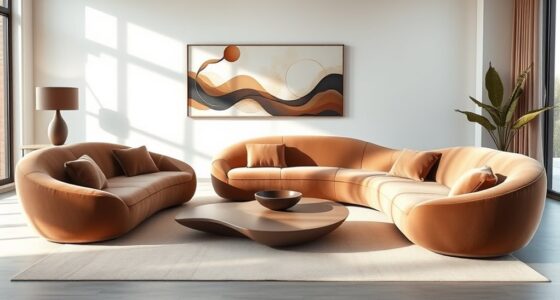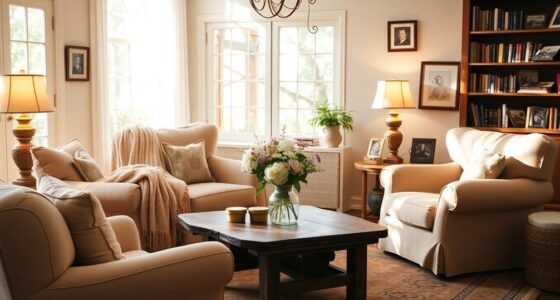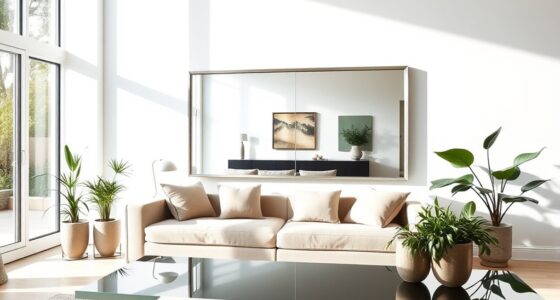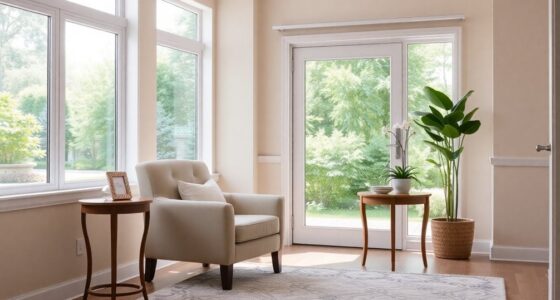

To create seamless outdoor living, focus on designing flowing connections between your indoor and outdoor spaces using thoughtful landscape elements like patios, pathways, and focal points that match your home’s style. Choose durable furniture that balances comfort and style, and strategically place it for views and privacy. Incorporate lighting to extend usability and unify zones for a cohesive environment. Keep exploring for more tips to turn your outdoor area into a natural extension of your home.
Key Takeaways
- Create seamless transitions with pathways, patios, and architectural features that blend indoor and outdoor spaces.
- Use cohesive landscape design elements and focal points to enhance visual harmony.
- Select durable, stylish outdoor furniture that complements indoor aesthetics and supports outdoor living needs.
- Design distinct zones for relaxation, dining, and entertainment, connected by natural flow and lighting.
- Incorporate lighting and built-in features to extend usability and highlight landscape cohesion after dark.

Creating a seamless passage between your indoor and outdoor spaces can transform your home into a true oasis. When you approach your outdoor living area with thoughtful landscape design, you create a natural extension of your interior environment. This means selecting plants, pathways, and features that complement your home’s architecture and color palette. A well-designed landscape design helps to blur the lines between inside and outside, making the transition smooth and inviting. You want your outdoor space to feel like a natural part of your home, not an afterthought. Incorporating elements like patios, decks, or terraces with your landscape design encourages flow and accessibility. When these features are properly integrated, they invite you to move effortlessly from your living room to your garden or backyard. Additionally, considering the effectiveness of outdoor furniture**** can enhance comfort and durability, creating a more inviting outdoor living area.
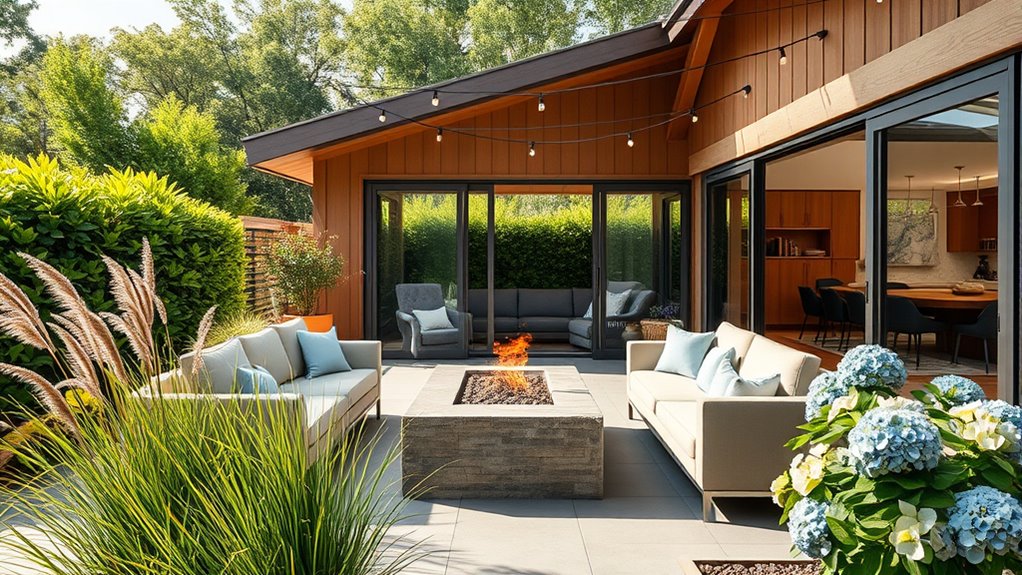
Once you’ve established a solid landscape foundation, choosing the right outdoor furniture becomes pivotal. Think of outdoor furniture as the furniture you use indoors — it should be comfortable, durable, and aesthetically aligned with your overall design. Opt for pieces that suit your lifestyle, whether that means cozy lounge chairs for relaxing, a sturdy dining table for family meals, or a sectional for entertaining guests. When selecting outdoor furniture, consider materials that withstand the elements, like teak, aluminum, or synthetic wicker. These materials require less maintenance and will keep your outdoor space looking fresh for years. Position your furniture strategically to take advantage of views, sunlight, and privacy. For example, place a seating area near a focal point like a garden feature or fire pit, creating a natural gathering spot.
The key to integrated outdoor living lies in balancing functionality and style. Use your landscape design to create zones—relaxation, dining, and entertainment—that flow seamlessly into each other. For instance, a paved patio can transition smoothly into a lush lawn or garden bed, visually connecting different areas. Incorporate built-in features like benches or planters to unify the space further. With thoughtful planning, your outdoor furniture can enhance this cohesion, making the area feel cohesive and well-thought-out. Lighting also plays an essential role, extending usability into the evening and highlighting your landscape features. When your indoor and outdoor spaces work harmoniously, you’re not just adding value to your home—you’re creating an environment that encourages you to spend more time outside, enjoying the fresh air and beautiful surroundings.
Frequently Asked Questions
What Are the Latest Trends in Outdoor Living Design?
You’re seeing outdoor living designs embrace bold landscape architecture that creates functional, stylish spaces. Incorporate outdoor art to add personality and focal points, making your space uniquely yours. Modern trends also prioritize seamless flow between indoors and outdoors, with versatile furniture and natural materials. Fire features, outdoor kitchens, and cozy lounges enhance the experience, encouraging you to spend more time outside while blending aesthetics with practicality for the ultimate outdoor retreat.
How Can I Maximize Small Outdoor Spaces?
You can maximize your small outdoor space by focusing on smart landscape planning and adding privacy screens to create a cozy feel. Use vertical elements like wall-mounted planters or hanging gardens to save ground space, and incorporate multi-purpose furniture for versatility. By thoughtfully arranging plants and screening, you’ll make the area feel larger, more inviting, and private, transforming even the tiniest yard into a functional outdoor retreat.
What Eco-Friendly Materials Are Best for Outdoor Integration?
You should choose sustainable materials like bamboo, reclaimed wood, and recycled metal for your outdoor integration. These eco-friendly options are durable, stylish, and reduce environmental impact. Opt for low-VOC paints and natural stone to enhance sustainability further. By prioritizing these eco-friendly options, you’ll create a beautiful, eco-conscious space that seamlessly connects your indoor and outdoor areas while minimizing your carbon footprint.
How Do I Choose Durable Furniture for Outdoor Use?
You should focus on weather-resistant materials like aluminum, synthetic wicker, or teak, which withstand the elements and last longer. Maintenance-free options, such as resin or plastic furniture, are ideal because they require minimal upkeep. Always check for rust-proof or sealed finishes to prevent damage. By choosing durable, weather-resistant furniture, you’ll enjoy your outdoor space without constant concern about deterioration or upkeep.
What Lighting Options Enhance Outdoor Indoor Transitions?
You can enhance outdoor-indoor passages with strategic lighting like landscape lighting along garden pathways, which creates a warm, inviting glow. Use layered lighting—spotlights, wall-mounted fixtures, or string lights—to highlight architectural features and define spaces. Consider color-changing or dimmable options to adjust ambiance as needed. This approach not only improves safety but also visually connects your indoor and outdoor areas, making the passage seamless and inviting.
Conclusion
By seamlessly blending indoor and outdoor spaces, you create a versatile environment that enhances your lifestyle. Imagine hosting friends in a sunlit patio that flows effortlessly into your living room, making every gathering feel special. With thoughtful design, you’ll enjoy the beauty of nature without sacrificing comfort. Whether upgrading your current space or starting fresh, integrated outdoor living transforms your home into a true sanctuary—where indoor comfort meets outdoor adventure.