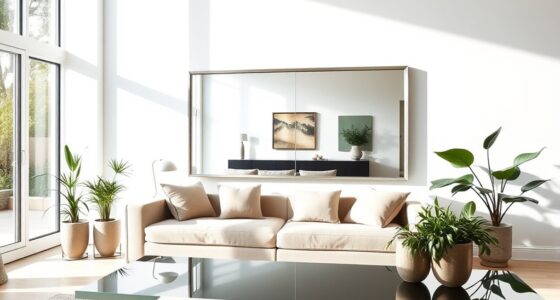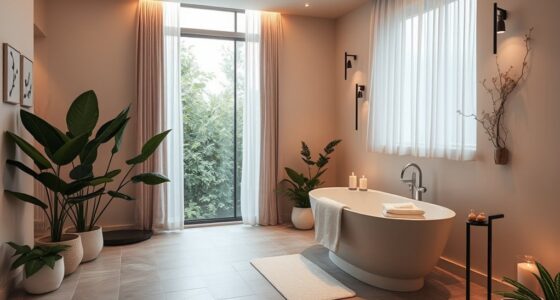
To bring the outdoors in, select eco-friendly materials like bamboo flooring and reclaimed wood furniture that naturally age with beauty. Incorporate natural textures and earthy colors such as greens, browns, and beiges to evoke a calming vibe. Use large windows, skylights, and indoor plants to connect your space with nature, creating a biophilic environment. Thoughtful design choices can turn your home into a peaceful sanctuary inspired by the outdoors—explore more ways to enhance your space naturally.
Key Takeaways
- Incorporate large windows and glass doors to maximize natural light and seamless indoor-outdoor connection.
- Use sustainable, natural materials like bamboo, reclaimed wood, and cork to mirror outdoor textures.
- Add indoor plants and greenery to purify air and create a biophilic, calming environment.
- Choose earthy colors and layered textures such as linen, jute, and woven accents for authentic, nature-inspired aesthetics.
- Integrate natural features like waterfalls, stone elements, and living walls to evoke a serene, outdoor ambiance indoors.
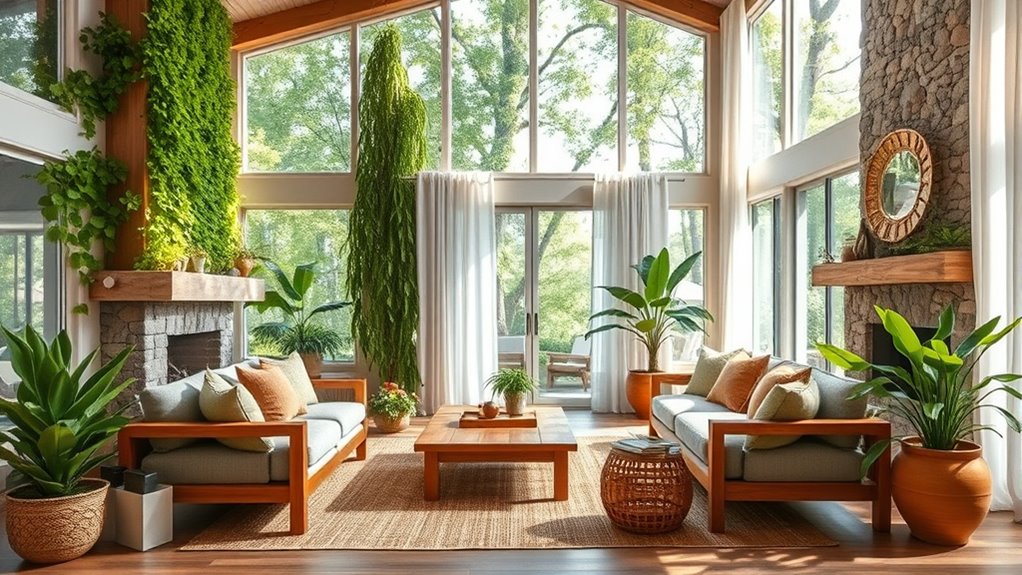
Have you ever wondered what transforms a plain room into a comfortable, stylish space? The secret often lies in how you bring nature indoors. By incorporating elements inspired by the outdoors, you create an environment that feels both calming and invigorating. One effective way to do this is through the use of sustainable materials. These eco-friendly choices not only reduce your environmental impact but also add a natural, authentic touch to your interior. Think bamboo flooring, reclaimed wood furniture, or cork accents—these materials reflect nature’s beauty while promoting a healthier home. Sustainable materials also tend to age gracefully, developing a rich patina that enhances their charm over time.
Incorporate sustainable materials like bamboo, reclaimed wood, and cork to bring natural beauty and authenticity into your home.
Another key aspect is embracing biophilic architecture, which emphasizes designing spaces that connect you to nature. Instead of merely placing a few plants here and there, it involves thoughtful integration of natural elements into your home’s structure. Large windows allow ample sunlight to flood in, reducing the need for artificial lighting and boosting your mood. You might incorporate indoor waterfalls, living walls, or natural stone features that evoke the outdoors. The goal is to create a seamless flow between your living space and nature, making it feel like a natural extension of the outside world.
Using natural textures and colors also plays a crucial role. Opt for earthy tones—warm browns, soothing greens, and soft beiges—that mirror the landscape outside. Layering textures like jute rugs, linen curtains, or woven baskets adds tactile interest while reinforcing the nature-inspired theme. When you select furniture and decor, prioritize items made from sustainable materials; this way, you’re not only enhancing your space’s aesthetic but also supporting environmentally responsible practices.
Lighting should mimic natural daylight as much as possible. Skylights, large windows, and glass doors help flood your interiors with sunlight, creating a bright, airy atmosphere. This not only improves your well-being but also highlights the beauty of your natural materials and textures. Incorporating indoor plants further enhances the biophilic connection, purifying the air and adding bursts of greenery that evoke a forest or garden. Additionally, choosing appropriate lighting technology can optimize energy efficiency and further support a sustainable lifestyle.
Ultimately, transforming your home into a nature-inspired sanctuary is about intentional design choices that celebrate the outdoors. With sustainable materials and biophilic architecture, you craft a space that nurtures your body and mind—making every day feel like a revitalizing gust of fresh air.
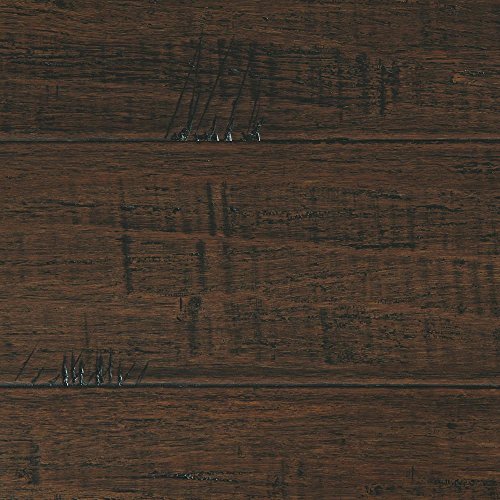
Handscraped Strand Woven Wellington 3/8 in. T. x 5-1/8 in. W. x 36 in. L. Click Bamboo Flooring (19.20 sq. ft. / case)
This refurbished product is tested and certified to look and work like new. The refurbishing process includes functionality…
As an affiliate, we earn on qualifying purchases.
As an affiliate, we earn on qualifying purchases.
Frequently Asked Questions
How Can I Incorporate Natural Light Effectively Into My Home?
To incorporate natural light effectively, start by choosing window treatments that maximize sunlight, like sheer curtains or blinds you can open fully. Opt for lighting fixtures that complement natural light, such as wall sconces or lamps with adjustable brightness. Keep windows unobstructed, and place mirrors strategically to reflect and amplify daylight. This approach brightens your space naturally, making it feel more open and inviting while highlighting your decor.
What Sustainable Materials Are Best for Nature-Inspired Interiors?
While exploring sustainable options, you might find eco-friendly finishes and reclaimed wood to be your best allies. These materials softly echo nature’s beauty, offering durability and charm without the environmental toll. Reclaimed wood adds warmth and character, while eco-friendly finishes protect your surfaces responsibly. By choosing these options, you seamlessly integrate sustainability into your design, creating a home that feels both stylish and gentle on the planet.
How Do I Choose Plants That Thrive Indoors?
When choosing plants that thrive indoors, consider your space, light, and maintenance needs. For your indoor jungle, select low-maintenance varieties like pothos or snake plants if you have limited light. Focus on proper plant care, including watering and humidity, to guarantee they flourish. Observe how your space’s conditions change with seasons, and adjust accordingly. With the right plants and care, your indoor jungle will thrive and enhance your home’s natural vibe.
What Are Some Budget-Friendly Ways to Bring Outdoors Inside?
Imagine a Victorian parlor, filled with lush greenery. To bring outdoors inside on a budget, you can DIY decor with repurposed jars, baskets, or painted pots. Use affordable accents like faux plants or seasonal flowers from your local market. Incorporate natural elements like stones or driftwood. These simple, creative touches make your space lively without breaking the bank, transforming your home into a cozy, nature-inspired retreat.
How Can I Create a Seamless Transition Between Indoor and Outdoor Spaces?
To create a seamless outdoor-indoor flow, you should focus on biophilic design principles. Use large windows or glass doors to connect your space visually, and choose similar materials and colors for both areas. Incorporate indoor plants that echo outdoor greenery, and guarantee furniture placement encourages movement between the two spaces. These touches enhance the outdoor indoor flow, making your home feel more harmonious and inviting.
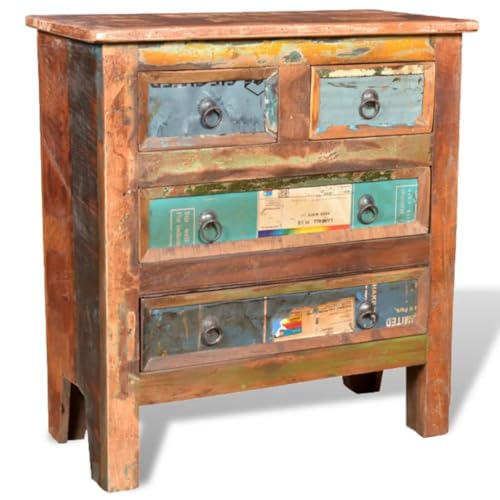
vidaXL Vintage Cabinet Multicolor Reclaimed Solid Wood Medium Storage
【Prop 65 Warning】: Complies with California Proposition 65 warning for cancer and reproductive harm
As an affiliate, we earn on qualifying purchases.
As an affiliate, we earn on qualifying purchases.
Conclusion
Think of your home as a cozy forest clearing, where nature’s beauty and tranquility embrace you. By bringing outdoor elements inside, you create a sanctuary that refreshes your spirit and sparks your creativity. Just like a peaceful glade offers respite from the wild, your interiors become a haven of calm and inspiration. Embrace this nature-inspired design, and watch your space transform into a lush, inviting retreat—your personal outdoor paradise, right within reach.

Artificial Dracaena Tree 5FT – Fake Tree with Black Tall Planter – Faux Yucca Tall Fake Floor Plant in Pot – Artificial Plant for Home Office Living Room Decor Indoor
Highly Realistic Design: Hand-assembled with polyester and plastic, featuring wire stems, these tall artificial plant feel and look…
As an affiliate, we earn on qualifying purchases.
As an affiliate, we earn on qualifying purchases.

Cork & Mill Marble Decorative Bowl for Home Decor – Handcrafted Natural Stone with Acacia Wood Pedestal – Versatile 11" Catch All for Entryway, Kitchen Fruit Bowl, Potpourri, Dining Table Centerpiece
Elegant Design: Elevate your space with a marble decorative bowl that has high end appeal. It enhances any…
As an affiliate, we earn on qualifying purchases.
As an affiliate, we earn on qualifying purchases.