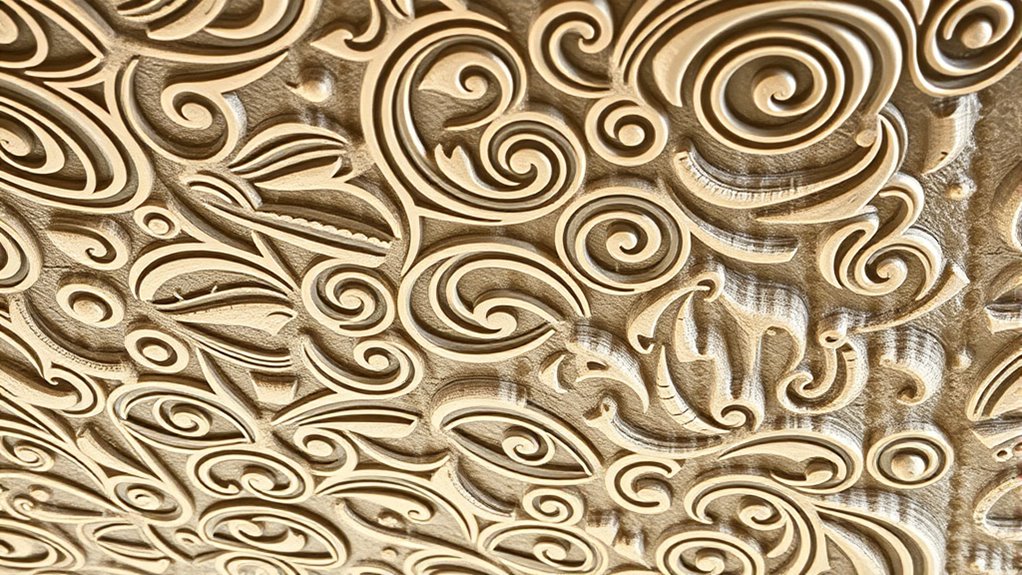

Textured walls and ceilings are great ways to add depth and character to your space. You can use creative surface treatments like faux finishes, sponging, rag rolling, or stippling to create unique patterns and effects that suit your style. These techniques can mimic materials like marble or wood, making your rooms more luxurious and visually interesting. Keep exploring, and you’ll discover more ideas to transform your interiors into stunning, personalized environments.
Key Takeaways
- Textured walls and ceilings add depth, character, and visual interest to interior spaces.
- Custom paint techniques like sponging, rag rolling, and stippling create subtle or bold textures.
- Faux finishes such as faux marble or Venetian plaster mimic luxurious materials with high customization.
- Proper application requires skill and tools to ensure durable, sophisticated surface treatments.
- These creative treatments turn plain surfaces into focal points, elevating the room’s overall aesthetic.
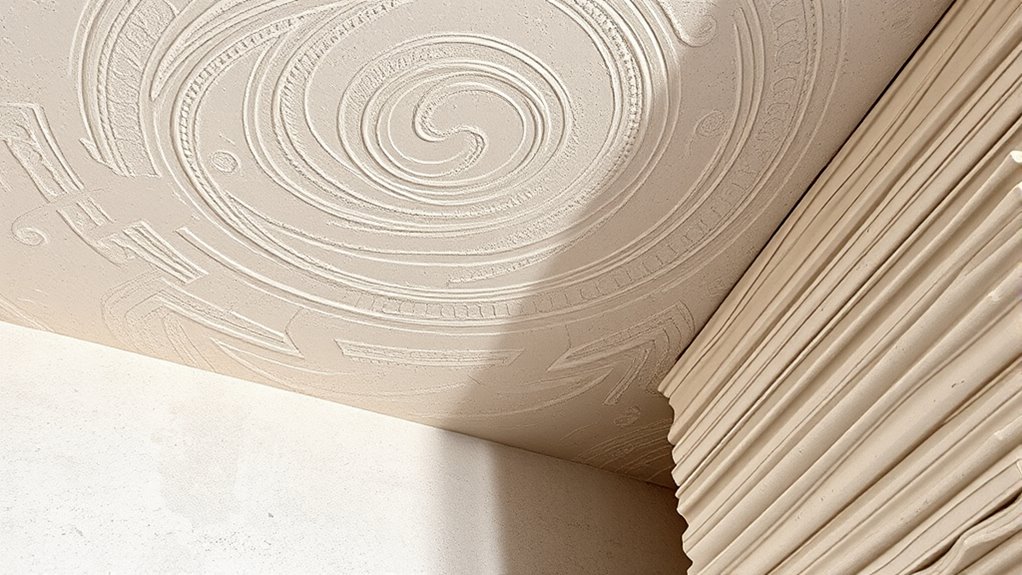
Textured walls and ceilings add depth and character to any space, making them a popular choice for homeowners looking to enhance their interior design. If you’re enthusiastic to create a unique and personalized look, exploring custom paint techniques and faux finishes can give your walls a distinctive flair. These methods allow you to transform plain surfaces into works of art, adding visual interest and sophistication to your rooms.
When considering textured walls, one of the most versatile options is using custom paint techniques. These involve applying paint in ways that create patterns, layers, or effects, such as sponging, rag rolling, or stippling. Each technique offers a different aesthetic, giving you control over the level of texture and the overall vibe of the space. For instance, sponge painting can add a soft, mottled look perfect for bedrooms or living rooms, while stippling can introduce a more pronounced, tactile surface that catches the light differently throughout the day. Custom paint techniques are especially appealing because they can be tailored to match your style, whether you prefer subtle elegance or bold statements.
Faux finishes are another excellent way to add texture and depth to your walls and ceilings. These decorative finishes mimic the appearance of materials like stone, marble, plaster, or wood, but are achieved through skillful painting techniques. For example, a faux marble finish can bring a luxurious touch to a dining area or accent wall, while a Venetian plaster faux finish creates a smooth, polished surface with a subtle sheen that elevates the room’s ambiance. Faux finishes are not only visually striking but also practical, as they can be applied over existing surfaces, saving you time and money compared to installing real materials. They also allow for a high degree of customization, giving you the freedom to select colors, patterns, and textures that complement your overall design.
Both custom paint techniques and faux finishes require some skill, but with the right tools and patience, you can achieve professional-looking results. Whether you’re aiming for a textured surface that adds warmth and depth or a sophisticated faux finish that mimics more expensive materials, these surface treatments provide an excellent way to personalize your space. They can turn a bland room into a stunning feature and reflect your unique taste. Additionally, understanding the Louisiana alimony laws can help ensure your financial arrangements post-divorce are fair and aligned with legal guidelines. When done thoughtfully, textured walls and ceilings become more than just background—they become focal points that define your interior style and make your home truly yours.
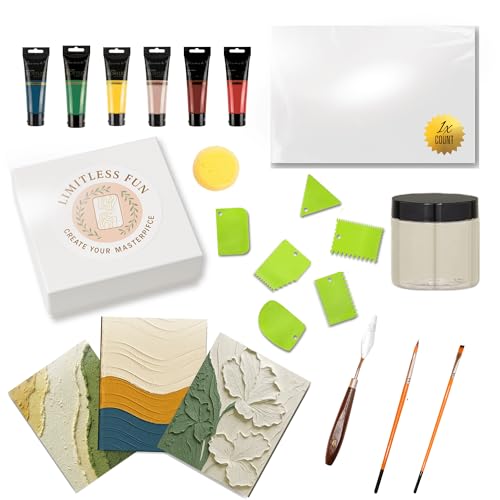
Textured Canvas Art Painting Kit – 3D Canvas Kit – Create Modern Wall Art at Home – Complete DIY Canvas Art – 6 Acrylic Paint Colors + Brushes & Tools
🎨 DIY Home Décor Made Easy – Create stunning textured canvas wall art with this complete kit.
As an affiliate, we earn on qualifying purchases.
As an affiliate, we earn on qualifying purchases.
Frequently Asked Questions
What Are the Most Cost-Effective Textured Wall Options?
If you’re looking for budget-friendly textures, consider DIY wall treatments like sponge painting, combing, or rag rolling. These options are cost-effective because they don’t require professional help or expensive materials. You can easily create unique, textured effects with simple tools and paints, saving money while adding visual interest. Experimenting with these DIY techniques makes it affordable to achieve stylish, textured walls without breaking the bank.
How Do Textured Finishes Affect Room Acoustics?
Imagine your room’s walls as a sponge soaking up sound. Textured finishes boost sound absorption, reducing echo and noise. They scatter sound waves, making spaces quieter and more comfortable. For example, a textured ceiling in a home theater minimizes noise, enhancing your viewing experience. So, textured surfaces actively contribute to noise reduction, creating a cozy environment by improving room acoustics through better sound absorption.
Can Textured Ceilings Be Painted Over Easily?
Yes, textured ceilings can be painted over, but you’ll need to do some paint removal and surface preparation first. Start by cleaning the surface thoroughly and removing any loose paint or debris. Lightly sand the textured area to create a smooth base, then apply a primer suitable for textured surfaces. Once prepared, you can paint over the textured ceiling easily, achieving a fresh look.
Are There Eco-Friendly Textured Surface Treatments Available?
Yes, eco-friendly textured surface treatments exist, and they’re gaining popularity. You can choose options made from recyclable materials or natural finishes, which minimize environmental impact. These treatments often use clay, lime, or natural fibers, offering sustainable alternatives to traditional textures. By opting for these eco-conscious choices, you reduce your carbon footprint while achieving beautiful, unique surfaces. It’s a smart way to enhance your space responsibly and creatively.
How Long Do Textured Wall Treatments Typically Last?
The durability of textured wall treatments typically ranges from 5 to 15 years, depending on the finish and surface quality. You’ll find that some finishes, like popcorn or knockdown textures, withstand wear well but may require periodic maintenance. To extend their lifespan, clean them gently and avoid harsh chemicals. Regular upkeep helps preserve their appearance and reduces the need for frequent repairs, ensuring your textured surfaces stay attractive longer.
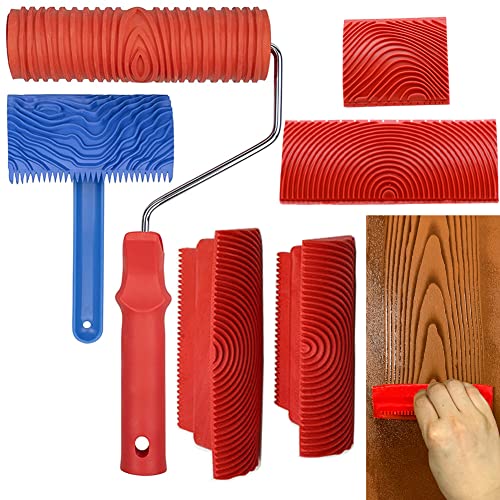
Wood Graining Tool Set, 6pcs 7" Fake Wood Grain Roller Painting Tool with Handle DIY Rubber Graining Tool Paint Look Like Wood for Wall Room Art Paint Decoration
PERFECT WOOD TEXTURE PAINT TOOLS: Allow you to draw a variety of beautiful wood grain patterns and show…
As an affiliate, we earn on qualifying purchases.
As an affiliate, we earn on qualifying purchases.
Conclusion
So, go ahead and embrace textured walls and ceilings—you know, because flat, boring surfaces are so last century. Imagine the endless compliments you’ll get as your friends marvel at your “artistic” choice, or better yet, spend hours trying to decipher whether that bump is a feature or a flaw. Who needs smooth, sleek finishes when you can have a tactile masterpiece that’s almost too interesting to ignore? After all, boring walls are the real crime here.

Hanroy Large Sea Sponges for Artists Unbleached 2pc Value Pack Art Texturing Decorators Sponging Great for Home Wall Painting Decorating (HMTZ-2)
Main Features: Professional-grade tool for textured wall finishing;
As an affiliate, we earn on qualifying purchases.
As an affiliate, we earn on qualifying purchases.

VASARI Lime Plaster & Paint | Veneziano Plaster (Smooth Finish) | Made from Natural Lime and Powdered Marble | color: Natural White #1 (Untinted) | size: 2 Gallon wet mix
Color: Natural White #1 (Untinted)
As an affiliate, we earn on qualifying purchases.
As an affiliate, we earn on qualifying purchases.