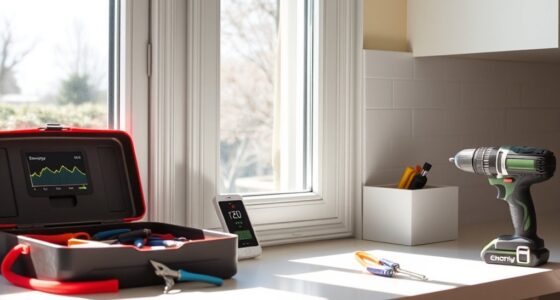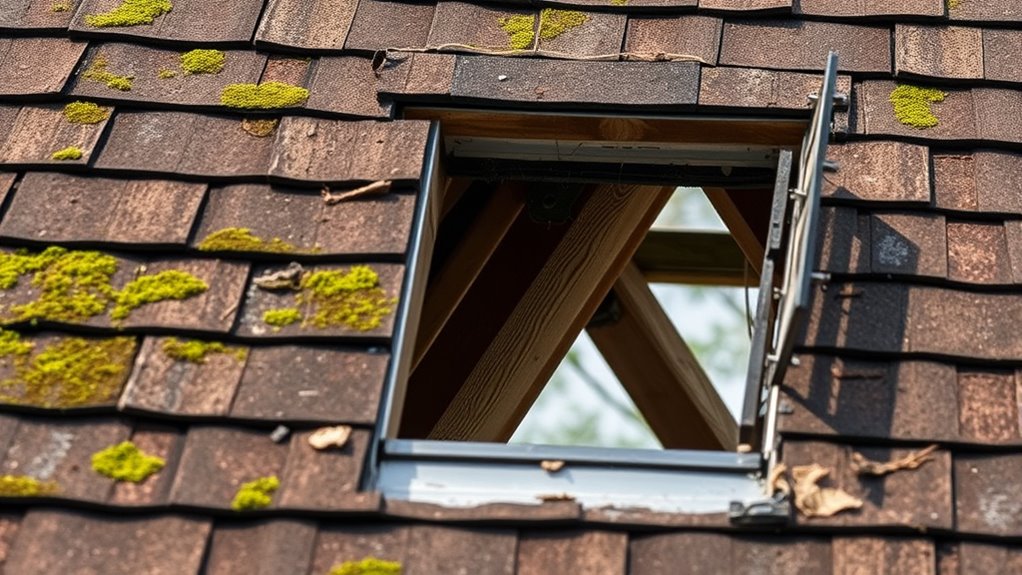
To spot issues early, regularly check your roof for damaged or missing shingles and monitor your attic for signs of moisture, mold, or sagging. Make certain vents and soffits are clear and functioning properly to prevent moisture buildup and mold growth. Clean gutters to prevent water overflow and inspect for sagging sections or loose brackets. Addressing these problems early keeps your home safe and energy-efficient—keep exploring to learn more about maintaining your roof and attic effectively.

Get the little things that make your day delivered free with Prime
- Fast, free delivery on millions of items
- Prime Video, Amazon Music and more included
- Member-only deals all year
Key Takeaways
- Regularly inspect roof shingles for damage, missing sections, or curling to catch issues early.
- Check attic for signs of moisture, mold, or water stains indicating ventilation or leak problems.
- Ensure gutters are free of debris, properly aligned, and functioning to prevent water damage.
- Examine attic vents, soffits, and fans for obstructions or damage to maintain proper airflow.
- Address small problems promptly, such as loose shingles or clogged vents, to prevent costly repairs later.
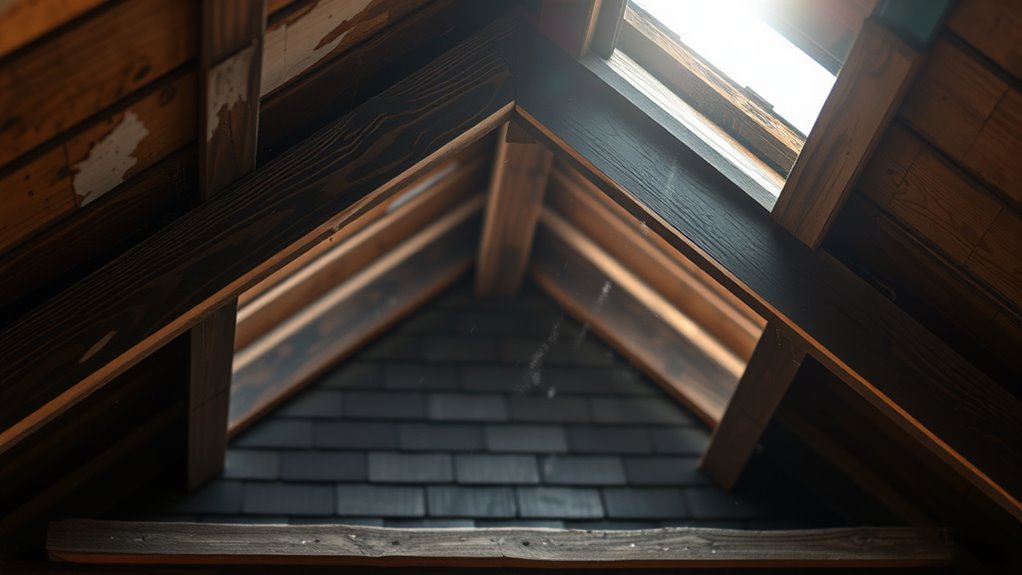
Regular roof and attic maintenance is crucial to safeguard your home from costly damage and guarantee energy efficiency. When you stay on top of these tasks, you prevent small problems from escalating into expensive repairs. One of the most effective ways to do this is by performing a thorough ventilation check. Proper attic ventilation allows air to circulate, helping to regulate temperature and moisture levels. If your attic is poorly ventilated, heat and humidity can build up, leading to mold growth, wood rot, and increased energy bills. During a ventilation check, inspect vents, soffits, and attic fans to ensure they’re clear and functioning correctly. If you notice any obstructions or damage, address them promptly to maintain ideal airflow. Good ventilation also prevents ice dams in winter, which can cause leaks and structural damage. Ensuring adequate ventilation supports the overall health of your roofing system and prolongs its lifespan. Gutter cleaning is equally essential for protecting your roof and attic. Clogged gutters can cause water to overflow and seep into your home, damaging shingles, fascia, and interior ceilings. Regularly clearing out leaves, twigs, and debris ensures rainwater flows freely away from your roof and foundation. When gutters are blocked, water can pool on the roof surface or spill over edges, accelerating wear and increasing the risk of leaks. During gutter cleaning, also check for any sagging sections or loose brackets, and repair or replace as needed. Ensuring gutters are properly aligned helps direct water away from the house, reducing the likelihood of water infiltration and damage. Both ventilation checks and gutter cleaning are simple maintenance steps that go a long way in identifying issues early. For example, if you notice sagging gutters, it might indicate a buildup of debris or damaged supports that need attention. Similarly, if you detect moisture accumulation or mold growth in your attic, it could signal inadequate ventilation or leaks. Addressing these problems promptly can save you from expensive repairs down the line. It’s also a good idea to inspect your roof shingles for missing or damaged sections during these maintenance routines. Catching and repairing minor issues now prevents them from worsening, which could compromise your roof’s integrity and your home’s safety. Proper attic ventilation and regular gutter maintenance not only protect your home but also contribute to energy efficiency and overall comfort.
As an affiliate, we earn on qualifying purchases.
Frequently Asked Questions
How Often Should I Schedule Professional Roof Inspections?
You should schedule professional roof inspections at least once a year, especially after severe weather, to catch issues early. Regular inspections help identify potential roof repair needs and make certain your gutters are clear of debris that could cause water damage. If you notice leaks or damaged shingles, get an inspection sooner. Keeping up with inspections prevents costly repairs and maintains your roof’s integrity, saving you time and money in the long run.
What Are the Signs of Attic Mold Growth?
Attic mold growth is like a silent invader, creeping in when you least expect it. Look for dark, fuzzy spots on the ceiling or insulation, a musty odor, or visible discoloration. These signs indicate excess attic moisture, a prime condition for mold. To prevent it, guarantee proper mold prevention measures and ventilation. Addressing these early signs keeps your attic dry and mold-free, protecting your home’s health and structure.
Can Small Roof Leaks Be Fixed Myself?
Yes, small roof leaks can often be fixed yourself with some DIY fixes. First, locate the leak and clean the area. Use roofing cement or sealant to patch small cracks or holes, and apply a waterproof patch if needed. Follow roof repair tips like inspecting shingles for damage and replacing any that are broken. Always guarantee safety precautions and consider consulting a professional if you’re unsure about the repair process.
How Does Attic Ventilation Affect Roof Longevity?
Proper attic ventilation plays a vital role in extending your roof’s longevity. When you guarantee good airflow, it helps prevent moisture buildup, which can cause wood rot and mold. Adequate ventilation also regulates temperature, reducing heat stress on your shingles and roofing materials. By maintaining good attic ventilation, you protect your roof from premature deterioration, ultimately saving you money and hassle while keeping your home safer and more durable over time.
What Materials Are Best for Attic Insulation?
You should choose fiberglass, spray foam, or cellulose insulation for ideal energy efficiency and durability. These insulation types effectively prevent heat transfer, reduce energy costs, and improve indoor comfort. Fiberglass is affordable and easy to install, spray foam offers superior sealing and insulation, while cellulose is eco-friendly and provides excellent coverage. Prioritizing these materials ensures your attic stays well-insulated, safeguarding your roof’s longevity and boosting your home’s overall energy performance.
Conclusion
Regular roof and attic maintenance is your best defense against costly repairs down the line. By catching issues early, you can avoid major headaches and keep your home in top shape. Think of it as fixing the leaks before they turn into a flood—you’ll save time, money, and stress. Stay proactive, and your home will thank you for it. After all, an ounce of prevention is worth a pound of cure.
Halloween Picks
halloween
As an affiliate, we earn on qualifying purchases.